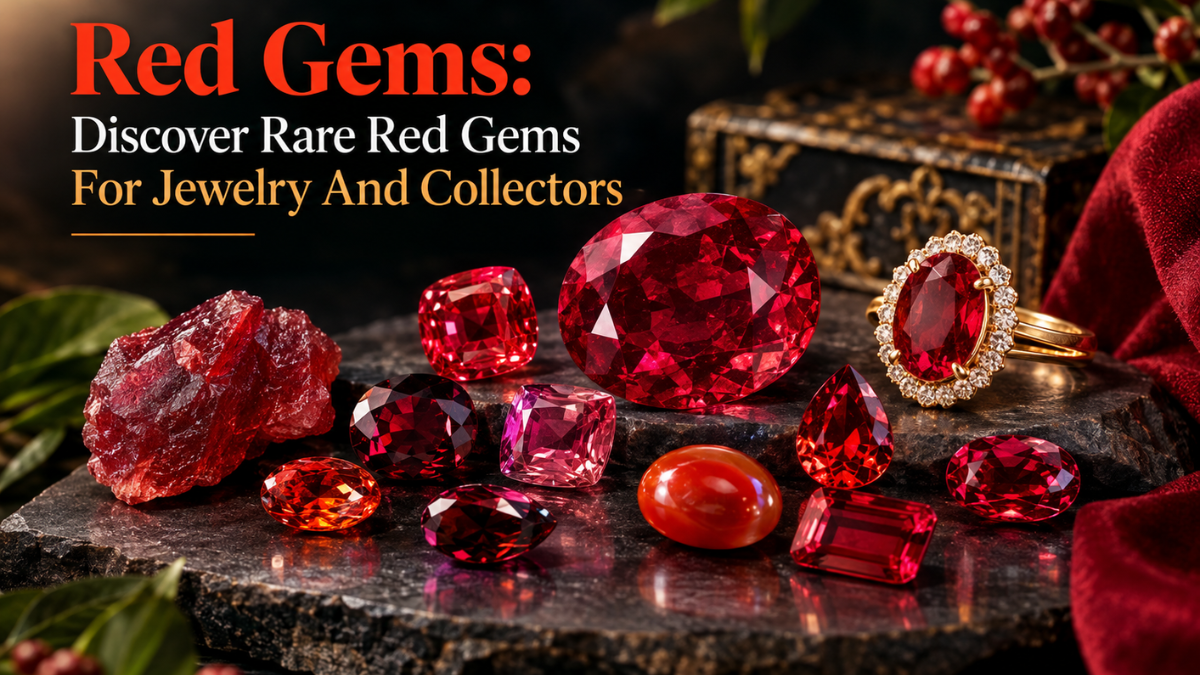
Red gems have that bold, unmistakable pull — the kind of color that jewelry lovers, collectors, and pretty much anyone drawn to a striking stone can’t ignore. Deep crimson, true ruby red, softer pinkish-red, even vibrant orange-red — the range within just “red” is bigger than most people expect.
Different red gems come from completely different mineral families, so hardness, durability, rarity, and value can swing a lot from one stone to the next. Some hold up fine for daily jewelry. Others get collected mainly because they’re rare or a little too delicate for everyday wear.
Whether you’re after a red stone for a ring, a necklace, earrings, or just building a collection, knowing the actual varieties out there makes the whole decision easier.
What Are Red Gems?
Simply put, these are gemstones where red is the dominant color you see. That can mean bright scarlet, cherry red, burgundy, wine red, reddish-orange, or something leaning purplish-red.
What causes that red usually comes down to specific elements or structural quirks inside the mineral itself. And because different minerals create red in different ways, two red gems can look similar and still behave completely differently. For buyers, what actually matters is the stone’s identity, color quality, clarity, cut, hardness, treatment history, and what you’re planning to use it for.
Popular Types Of Red Gems
There’s a handful of well-known gemstone, plus a few less common ones that mostly interest collectors.
Ruby
Ruby’s probably the most recognized red gemstone out there, and it belongs to the corundum family. Color runs from purplish-red to a vivid, saturated red — and the stronger that red, the more attention the stone tends to draw.
It’s also genuinely durable, which is part of why ruby works across so many jewelry styles. Fine natural rubies with strong color and good transparency, though — those are hard to come by.
Red Garnet
Red garnet isn’t one mineral, really it’s a group. Almandine and pyrope are the two that most often show up in attractive red tones. Shades range from dark red through a rich reddish-purple. Between the color, the durability, and how available it is, red garnet ends up being one of the more accessible choices for both jewelry and collecting.
Red Spinel
Red spinel deserves more attention than it usually gets. High-quality pieces can show a vibrant red that appeals to people specifically looking for something other than ruby. Collectors value natural red spinel a lot, especially when the color’s strong, the stone’s transparent, and the cut actually does it justice.
Red Tourmaline
Often called rubellite, though tourmaline itself covers a wide range of red and reddish-pink shades. Color swings from bright pinkish-red to something much deeper. A well-cut piece can show real brilliance, and you’ll find it in rings, pendants, earrings, and plenty of collector pieces too.
Red Beryl
One of the rarer red stones you’ll come across. It can show striking red to raspberry-red coloring, and that rarity alone makes it interesting to serious collectors. Since natural red beryl doesn’t show up often, people tend to approach buying it pretty differently than more common commercial gems.
Other Red Gems Worth Exploring
Past the familiar names, there are quite a few other gemstones that show up in beautiful red or reddish tones.
These include:
- Red zircon
- Red jasper
- Red agate
- Red coral
- Red sunstone
- Rhodolite garnet
- Red sapphire
- Rhodochrosite
- Carnelian with strong red-orange tones
Each one’s got its own look, its own mineral makeup, its own durability and collecting appeal. Some work mainly as ornamental stones. Others are solid enough for fine jewelry.
How Red Gems Get Their Color
- Trace elements, mineral composition, crystal structure, and how the stone formed geologically all of it plays a part.
- Chromium, for instance, is a big reason many rubies show the color they do, while iron and other elements shape the look of various garnets and other red stones.
Which is really the point here — just calling something “red” doesn’t tell you much about what it actually is or how good it is. Two stones can look almost the same on the surface and be worlds apart in mineral makeup, hardness, rarity, and value.
Choosing A Red Gem By Color
Color’s usually the first thing people notice with red gems. But the “right” shade really comes down to personal taste and what the piece is being designed for.
Bright Red Shades:
These create a strong, hard-to-miss look. Great for statement rings or anything meant to be the centerpiece.
Deep Red Shades:
Richer, more dramatic. Burgundy, wine-red, dark crimson — these tend to suit more sophisticated designs.
Pinkish-Red Shades:
Some red gems lean noticeably pink, giving off a softer feel. Works well in delicate or more contemporary jewelry.
Reddish-Orange Shades:
Warmer, more energetic-looking, especially when paired with yellow or rose gold settings.
Red Gems For Jewelry
Red gems fit into pretty much every major jewelry category, depending on the specific stone’s properties.
Rings:
A red gemstone ring usually makes the center stone the whole point. Ruby, red spinel, garnet, and other tougher varieties tend to work well here. Just check hardness and toughness first if it’s going into daily wear.
Necklaces:
Necklaces and pendants let you go bigger with red gems without exposing them to nearly as much impact as a ring sees. One polished stone keeps things simple; multiple stones together give a more decorative look.
Earrings:
Smaller gemstone work great in studs, drops, or more elaborate designs. Since earrings don’t take as much physical contact as rings, you’ve got more flexibility in what stone you pick.
Natural, Treated, And Synthetic Red Gems
Not every red gemstone on the market got there the same way. Natural stones form through geological processes over time; treated stones have been altered somehow to improve or shift certain qualities.
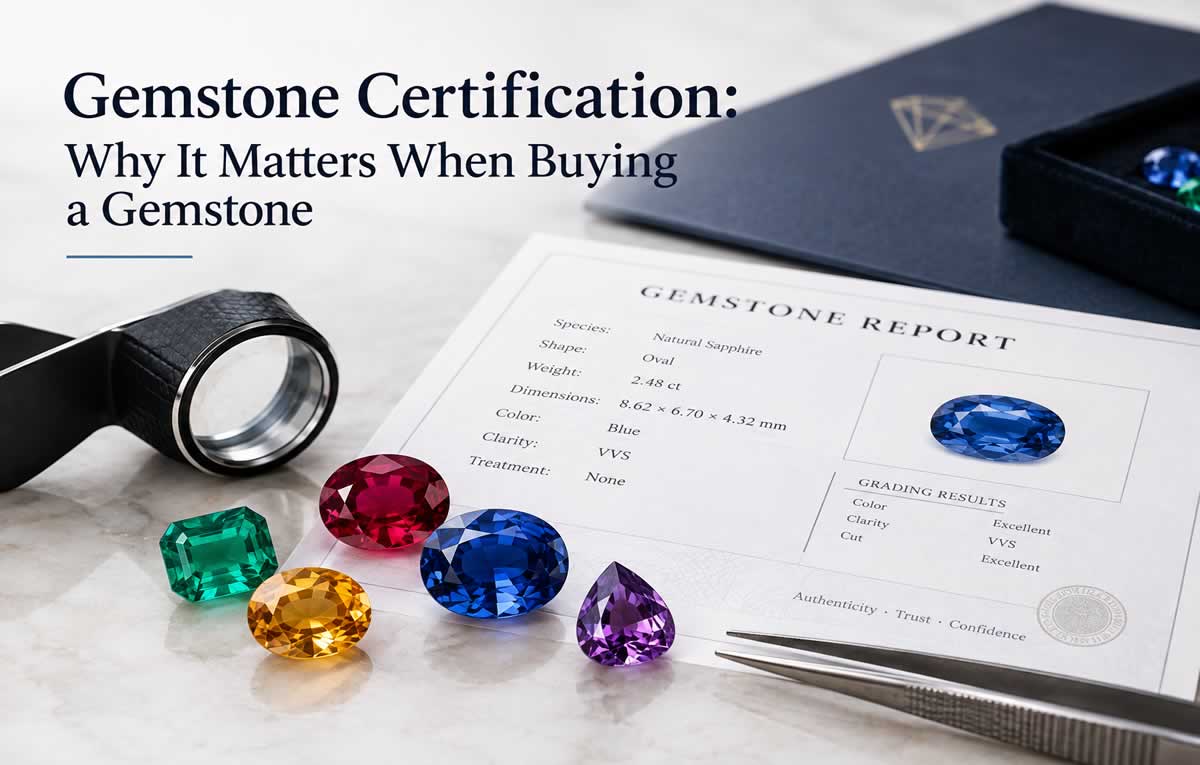
Synthetic gems, meanwhile, are grown in a lab, but they can share very similar chemical and physical properties with their natural counterparts. For buyers, knowing whether a stone is natural, treated, synthetic, or an imitation actually matters. And that treatment history should be disclosed clearly, especially once you’re talking about anything valuable.
Red Gems For Collectors
- Gemstones make for genuinely interesting collection pieces, mostly because they span so many different mineral groups and geological environments.
- Collectors tend to chase unusual color, strong crystal formation, transparency, rarity, locality, natural condition, or documented origin.
- Some red stones are more desirable faceted. Others are collected as rough specimens or crystals that still show their natural formation.
How To Buy Red Gems In The USA
Ask directly whether it’s natural, treated, or synthetic, and request documentation for anything higher-value. Look at the color under proper lighting, and pay attention to how good the cut and transparency actually are.
For bigger purchases, an independent gemological report is genuinely useful — it tells you what you’re really buying. And think about intended use too, especially if the stone’s going into a ring you’ll wear constantly.
Caring For Red Gems
- Since gemstone come from so many different mineral families, care needs vary a lot.
- Avoid harsh chemicals, sudden temperature swings, and unnecessary impact. Clean based on what that specific stone actually needs — don’t assume one method works across every red gemstone.
- If you’re storing multiple pieces together, keep them separated. It cuts down the risk of scratches and other damage.
Why Red Gems Continue To Attract Attention
- Red gems combine bold color with a huge range of mineral backgrounds, which is exactly why they appeal to both jewelry buyers and collectors alike.
- Ruby suits someone after a classic, precious stone. Garnet, spinel, tourmaline, and the rest offer different shades, looks, and price points depending on what you’re after.
- That variety is really the draw buyers can pick based on beauty, durability, rarity, collecting interest, or straight-up jewelry needs.
FAQs About Red Gems
What Are The Most Popular Red Gems?
Ruby, red garnet, red spinel, red tourmaline, and red beryl are the names that come up most.
Which Red Gem Is The Most Famous?
Ruby, without much competition — it’s the most widely recognized red gemstone out there.
Are Red Gems Suitable For Rings?
Yes, several work well, but durability and the stone’s specific properties need to be considered first.
Are All Red Gems Natural?
No. They can be natural, treated, synthetic, or imitation — it depends entirely on the individual stone.
What Makes A Red Gem Valuable?
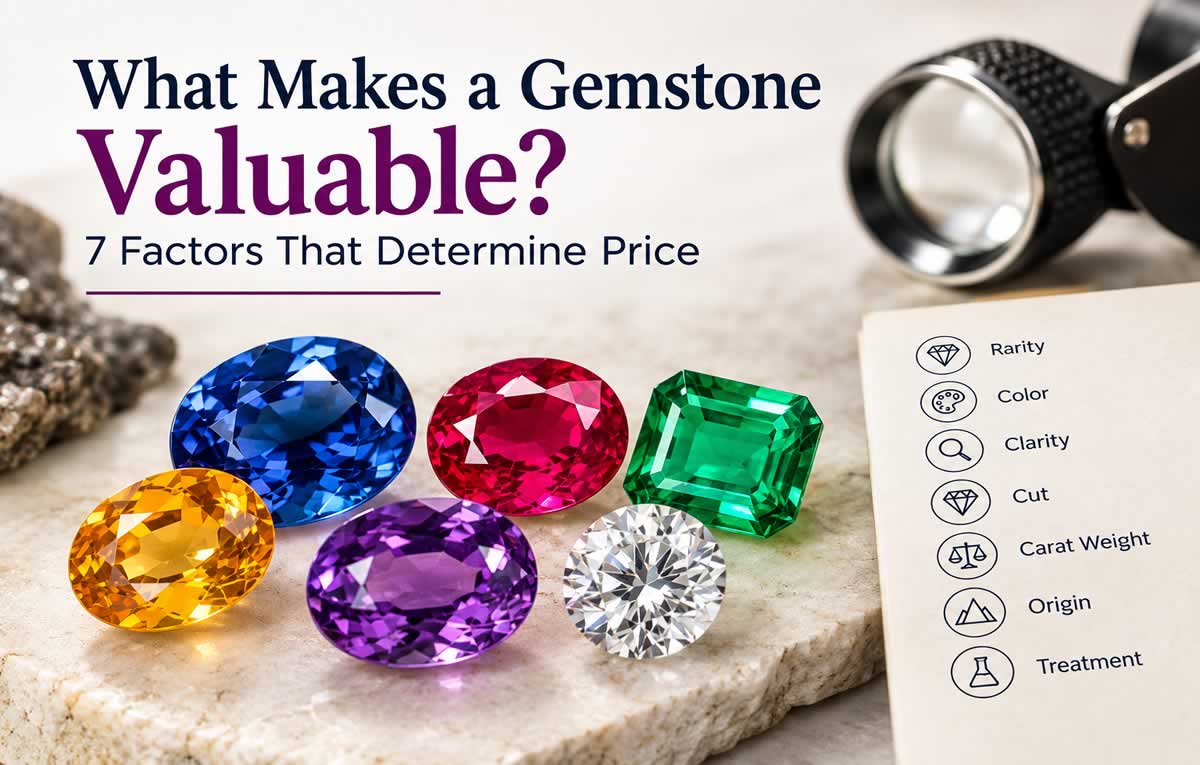
Color, clarity, cut, size, rarity, treatment status, and sometimes origin — all of it factors in.
Are Red Garnet And Ruby The Same?
No, they’re different gemstones from entirely different mineral groups.
Can Red Gems Be Used In Everyday Jewelry?
Some of the tougher ones, sure. Softer or more delicate varieties usually need extra care.
How Should Red Gems Be Cleaned?
Depends on the specific stone — always check its individual care requirements before cleaning anything.
Final Thoughts
Red gems bring together color, variety, and character in a way few other gemstone categories manage. From ruby’s classic appeal to the distinct character of red spinel, garnet, tourmaline, and the rarer varieties, there’s a lot worth exploring here.
The right red gemstone comes down to more than just how it looks. Color, durability, clarity, cut, treatment, rarity, and intended use all deserve a place in that decision. Understanding these differences is really what lets buyers and collectors pick stones that actually match what they’re looking for.