Certain gemstones just grab your attention the moment you look at them, and that fresh, lively green is what a peridot stone does best. Green through yellowish-green, this stone’s genuinely become a go-to for rings, earrings, necklaces, bracelets, and custom pieces alike. If you’re buying in the USA, having a real feel for color, clarity, cut, origin, durability, and care turns a confusing purchase into a genuinely easy one.
Special occasion, an August birthday gift, or just building out your own collection — whatever brought you here, knowing what to actually look for gives you real confidence comparing one stone against another.
What Is a Peridot Stone?
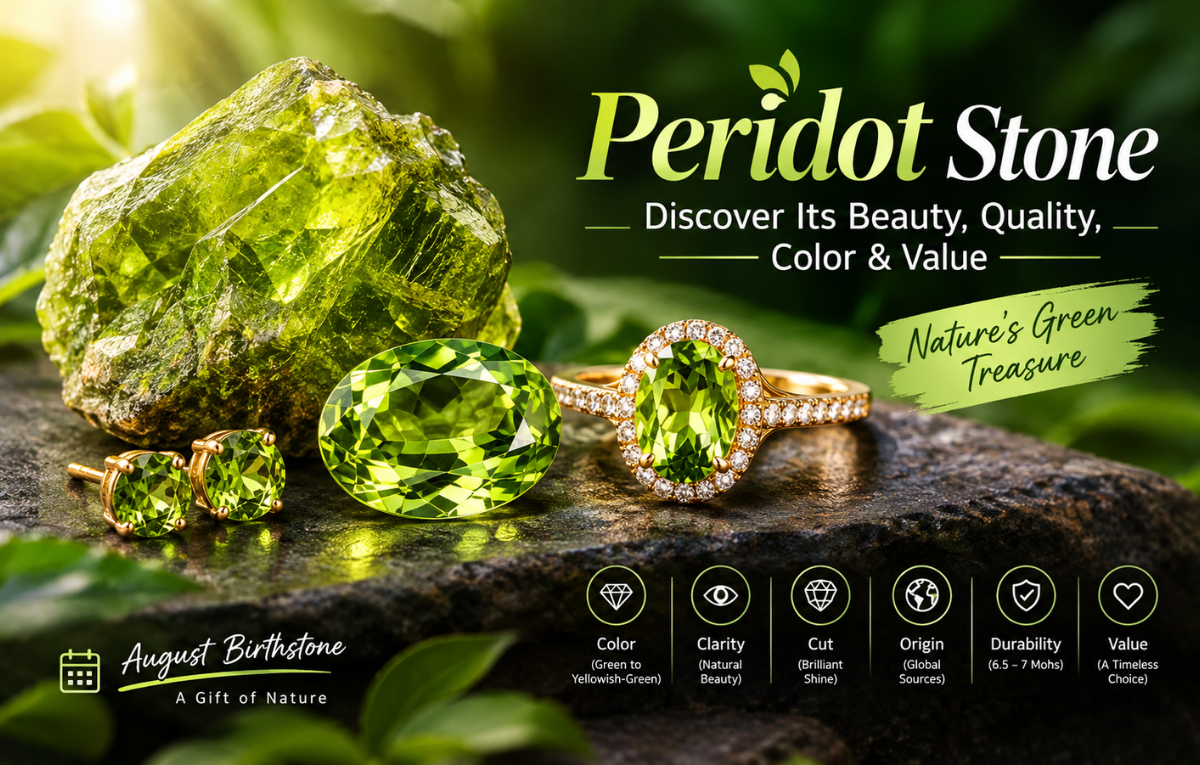
Strip it down and a peridot stone is really just the gem-quality form of the mineral olivine. That signature green traces back to iron sitting inside the crystal structure itself. Most gemstones show up in a dozen colors — peridot doesn’t work that way. It’s known for exactly one thing: that green-to-yellowish-green look nothing else quite pulls off.
Shades run from bright yellow-green through olive, sometimes tipping into something deeper and greener still. That natural color gives peridot its own identity, honestly, and it’s exactly why it makes such an interesting pick next to other green stones on the market.
Why Peridot Color Matters
Color’s usually the very first thing people actually notice in a peridot stone. The good examples show a lively green with a nice yellow-green balance running through them. Some lean more olive. Others come across brighter, more yellow than green.
Lighting genuinely changes how a stone reads — worth checking photos under a few different setups before you decide anything. Shopping online specifically? Detailed images and video actually tell you what a stone looks like, way more than one single photo ever could.
Understanding Peridot Clarity
Clarity’s the other big one when it comes to judging a peridot stone. A lot of peridots read pretty clean to the eye, especially the smaller ones. Bigger stones sometimes show natural internal features that mess with transparency a bit.
Small inclusions aren’t automatically a dealbreaker, though. What actually matters is whether they’re noticeable at a glance, and whether they genuinely hurt transparency or the overall look of the piece.
Popular Peridot Stone Cuts
Cut genuinely shapes how a peridot stone reflects light and shows off color. Oval, round, cushion, pear, emerald, mixed cuts — all common enough.
Which one actually works best comes down to the rough material, clarity, how color’s spread through the stone, and whatever jewelry it’s headed into. Get the proportions right and you get real, attractive light reflection while that natural green stays exactly where it should — front and center.
Where Does Peridot Come From?
A peridot stone traces back to a handful of places — Arizona in the US, Pakistan, Myanmar, China, and a few other spots besides.
Different sources yield stones with their own quirks in color, clarity, crystal size, general look. Here’s something genuinely unusual about peridot too — gem-quality material has actually shown up in some meteorites. Rare, mostly a scientific curiosity rather than something you’d find set in a ring, but genuinely fascinating.
Origin adds interest, sure, real provenance value even. But it should sit alongside the stone’s actual color, clarity, cut, size, and condition — not stand in for all of that on its own.
Is Peridot the August Birthstone?
Yes. Peridot is widely recognized as August’s birthstone, which makes a peridot stone a genuinely meaningful pick for birthday jewelry specifically.
That bright green works beautifully for personalized gifts — ring, pendant, earrings, bracelet; it doesn’t matter which. Choosing peridot for an August birthday pulls together traditional birthstone meaning with something genuinely distinctive and natural. Not a bad combination at all, honestly.
Peridot Stone for Jewelry
A peridot stone fits into pretty much any jewelry design you can think of. That green tone works well against yellow gold, white gold, silver, whatever else — plenty of room for a designer to actually play around.
Rings benefit from protective settings, cuts down direct impact risk. Earrings and pendants generally see less contact with hard surfaces day to day, making them a genuinely practical pick if you want to wear peridot often without constantly worrying about it.
- When buying jewelry, think about the setting just as much as the stone itself — both genuinely affect how durable and how good the finished piece actually looks.
How Durable Is Peridot?
A peridot stone sits around 6.5 to 7 on the Mohs scale. Decent resistance to everyday scratching, sure, but still softer than sapphire or diamond by a fair margin.
That moderate hardness means peridot genuinely needs some care. Rings take more of a beating than earrings or pendants usually do, so pulling peridot jewelry off before sports, heavy manual work, anything high-impact really — that just cuts down real damage risk.
How to Care for a Peridot Stone
Keeping a peridot stone looking good for years really comes down to proper care. Lukewarm water, mild soap, a soft cloth or brush — that’s genuinely all it takes most of the time.
Cleaning Guidelines
Gentle’s the general rule here, every time.
Things to Avoid
- Harsh chemicals
- Sudden temperature swings
- Rough or abrasive cleaning
- Storing next to harder gemstones that could scratch it
Older or more delicate pieces specifically — get professional advice before trying ultrasonic or steam cleaning. Better to ask first than risk something you actually care about.
Choosing the Right Peridot Stone
Picking a peridot stone really starts with color and transparency. Find a shade that genuinely speaks to you and looks reasonably even across the whole surface.
From there:
- Check the cut quality
- Look closely at clarity
- Consider the size you actually want
- Assess overall condition
Bigger isn’t automatically better here — not if the color’s weak or transparency’s off. Lining up a few stones side by side genuinely shows you how quality differences hit both appearance and price. Anything valuable, ask for real details on measurements, carat weight, origin, whatever documentation exists.
Natural and Laboratory Information
A peridot stone forms naturally, full stop — but buyers should still know whether any treatments or enhancements were actually applied to a specific piece.
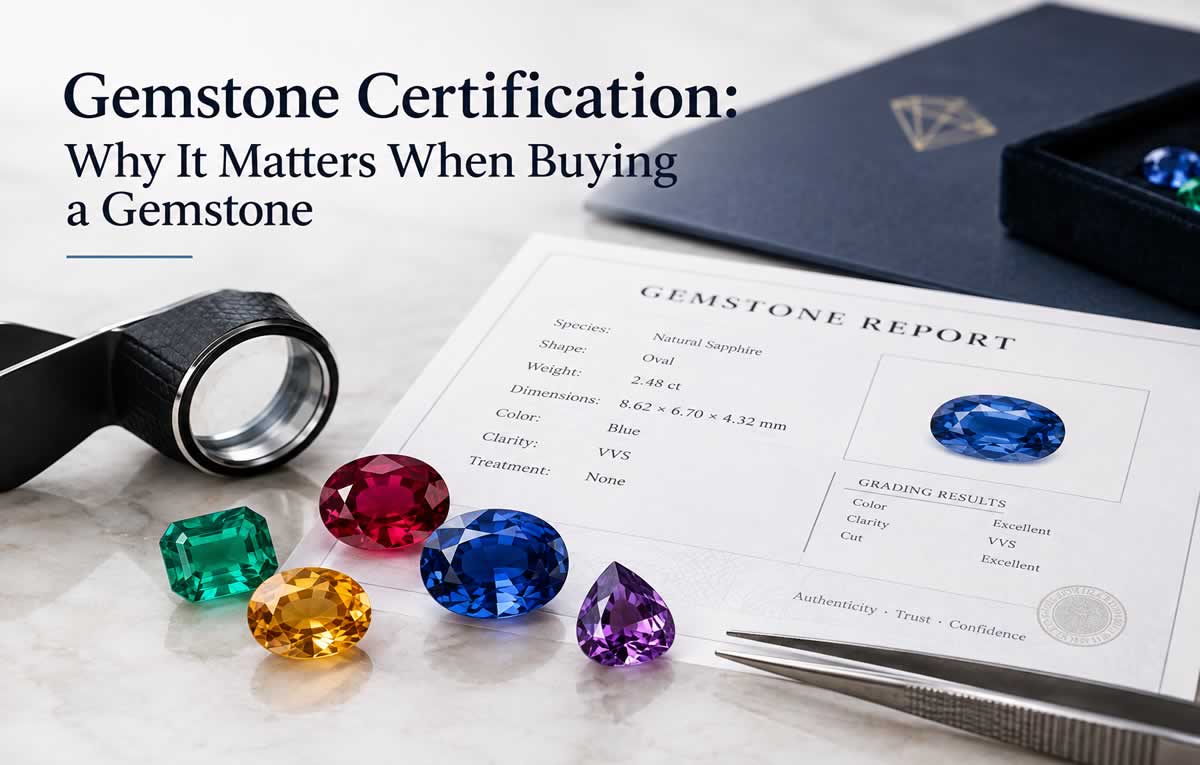
Higher-value purchases genuinely benefit from lab documentation confirming identity and characteristics. A lab report doesn’t replace actually looking at the stone yourself, but it adds real, useful backup when comparing something significant.
Buying Peridot in the USA
Shopping for a peridot stone in the USA means looking past just a photo and a carat number. Dimensions, color, clarity, cut, origin, where it’s available, and the seller’s actual policies — all worth checking.
When buying online specifically, look for detailed shots from multiple angles. Video helps too — it shows how a stone genuinely catches light as it moves, not just one static frame. A trustworthy seller lays out exactly what’s being offered, clearly, so you actually understand what you’re buying before committing to anything.
Why Choose Peridot for a Collection?
A peridot stone brings a genuinely bright green element into any collection. That distinctive color, the August birthstone tie-in, the range of places it comes from — all of it makes peridot a genuinely interesting pick for jewelry lovers and serious collectors both.
Collectors often chase unusual sizes, particularly striking colors, distinctive crystal formations, or stones with real provenance behind them. What’s actually right for you comes down to your own goals, taste, and budget — no universal answer here.
Frequently Asked Questions
Is peridot a real gemstone?
Yes, peridot is a natural gemstone and the gem-quality variety of the mineral olivine.
What color is a peridot stone?
A peridot stone usually ranges from yellow-green to olive or stronger green shades.
Is peridot the August birthstone?
Yes, peridot is widely recognized as the birthstone for August.
Is peridot good for rings?
A peridot stone can be used in rings, but protective settings and careful wear are recommended because of its moderate hardness.
How hard is peridot?
Peridot has a Mohs hardness of about 6.5 to 7, so it should be protected from scratches and strong impacts.
Where is peridot found?
A peridot stone can originate from places including Arizona, Pakistan, Myanmar, China, and other regions.
Is peridot expensive?
The price of a peridot stone varies according to color, clarity, size, cut, origin, and overall quality.
Can peridot be worn every day?
A peridot stone can be worn regularly with reasonable care, although high-impact activities should be avoided.
How should peridot be cleaned?
Clean a peridot stone with mild soap, lukewarm water, and a soft cloth or brush.
Does peridot change color?
A natural peridot stone generally keeps its color, although lighting can make its green or yellow tones appear different.
Final Thoughts
A peridot stone pulls together fresh natural color, genuine gemstone character, and real birthstone meaning, all in one package. Getting a feel for color, clarity, cut, durability, origin, and proper care genuinely makes USA buyers a lot more confident going into a purchase.
Picking out jewelry, buying an August birthday gift, or growing a personal collection — whatever the reason, take time comparing stones and focus on what genuinely matters to you. When you’re ready to actually find a peridot worth keeping, a trustworthy seller with clear information and honest documentation makes all the difference — turning a simple purchase into something you’ll genuinely be glad you chose, years down the line.