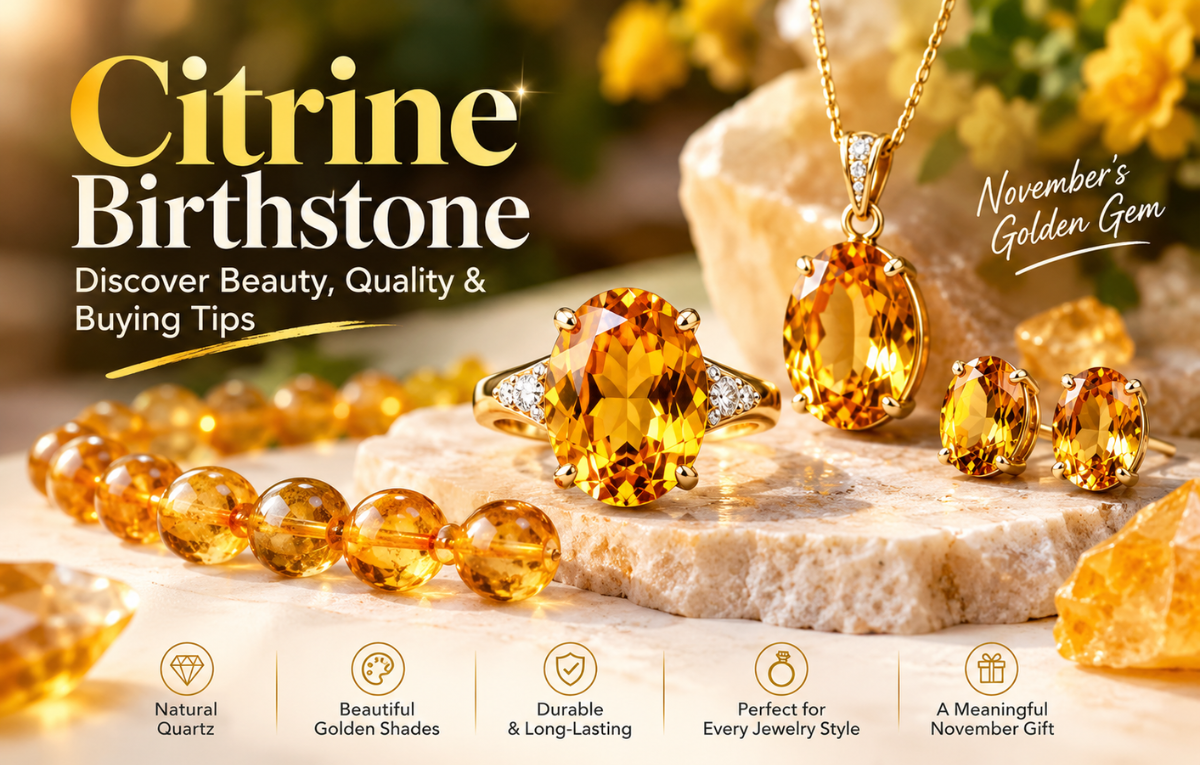
Gemstone Cuts Explained: Emerald, Oval, Cushion, Round & More
When buying a natural gemstone, gemstone cuts are one of the most important factors to understand. The cut influences how a gemstone interacts with light, how much brilliance it displays, how large it appears, and how attractive it looks when set into jewelry.
Although people often use the words “cut” and “shape” interchangeably, they are not exactly the same. A gemstone’s shape refers to its overall outline, while its cut describes how the stone has been faceted and proportioned to interact with light.
Popular gemstone cuts include emerald, oval, cushion, round, princess, pear, marquise and radiant. Each has its own visual characteristics and can dramatically change the appearance of a gemstone.
Whether you are purchasing a loose sapphire, ruby, emerald, tourmaline, garnet or another natural gemstone, understanding different gemstone cuts can help you make a more informed decision.
What Is a Gemstone Cut?
A gemstone cut refers to the way a rough gemstone is shaped and faceted to produce a finished stone. Skilled cutting involves carefully positioning facets, angles, proportions and symmetry to maximize the gemstone’s beauty.
A well-executed cut can improve:
Light reflection
Brilliance
Sparkle
Color appearance
Visual size
Symmetry
Overall beauty
The best cut depends on the gemstone’s material, color, clarity, rough crystal shape and intended use.
For example, a cutter may choose a particular cut to preserve weight from an unusually shaped rough crystal. Another gemstone may be cut specifically to improve brilliance or display its color more effectively.
Cut vs. Shape: What’s the Difference?
This is an important distinction when shopping for gemstones.
Shape describes the outline of a gemstone, such as:
Round
Oval
Square
Rectangle
Pear
Marquise
Cut describes the arrangement and style of the facets.
For example, an emerald-shaped gemstone can have an emerald-style step cut, while another rectangular gemstone might have a different faceting arrangement.
In the jewelry industry, however, terms such as “emerald cut” are commonly used to describe both the shape and cutting style.
1. Emerald Cut
The emerald cut is one of the most elegant and recognizable gemstone cuts. It typically features a rectangular outline with clipped corners and broad, parallel step facets.
Unlike brilliant cuts, emerald cuts generally produce less intense sparkle. Instead, they create broad flashes of light and emphasize the gemstone’s clarity, color and internal character.
Characteristics of Emerald Cut
Rectangular shape
Step-cut facets
Clipped corners
Elegant appearance
Broad flashes of light
Often emphasizes clarity
Suitable for sophisticated jewelry designs
Emerald cuts are particularly attractive in gemstones with good clarity because their large, open facets can make inclusions more noticeable.
They are commonly used for emeralds, sapphires, aquamarines, tourmalines and other colored gemstones.
2. Oval Cut
The oval cut is one of the most versatile gemstone cuts. Its elongated shape can make a gemstone appear larger and can create an elegant appearance when used in rings, pendants and earrings.
Oval gemstones can be designed with brilliant-style faceting, creating attractive sparkle and light return.
Advantages of Oval Cut
Elegant elongated appearance
Excellent versatility
Can appear larger than a round stone of similar carat weight
Works well in engagement rings
Suitable for many colored gemstones
Oval cuts are especially popular for sapphires, rubies, garnets, spinel and tourmalines.
3. Cushion Cut
The cushion cut combines a square or rectangular shape with rounded corners. Its soft outline gives it a classic and romantic appearance.
Cushion cuts can have different faceting styles. Some are designed for strong brilliance, while others emphasize broad flashes of color.
Cushion Cut Characteristics
Rounded corners
Square or rectangular outline
Classic appearance
Attractive brilliance
Excellent for vintage-inspired jewelry
Available in many proportions
A cushion-cut gemstone can be particularly beautiful when the material has a rich, saturated color.
4. Round Cut
The round cut is one of the most popular gemstone cuts in jewelry. Its symmetrical shape allows cutters to carefully arrange facets for excellent light reflection.
Round brilliant-style cuts are designed to produce substantial brilliance and sparkle.
Why Choose a Round Gemstone?
Highly symmetrical
Excellent light return
Classic appearance
Works with almost any jewelry design
Suitable for rings, earrings and pendants
Timeless appeal
Round gemstones are particularly popular for smaller accent stones and center stones.
5. Princess Cut
The princess cut typically has a square or rectangular outline with pointed corners. It provides a contemporary appearance and can produce impressive brilliance.
Princess cuts are commonly associated with diamond jewelry, but they can also be used for colored gemstones.
Princess Cut Features
Square or rectangular appearance
Sharp corners
Modern style
Strong brilliance
Suitable for contemporary jewelry
Because of its pointed corners, the gemstone’s setting should provide appropriate protection when the stone is used in a ring.
6. Pear Cut
The pear cut, sometimes called a teardrop cut, combines a rounded end with a pointed tip.
This shape is especially popular for pendants and earrings, although pear-cut gemstones can also create distinctive engagement rings.
Pear Cut Advantages
Unique teardrop appearance
Elegant and graceful
Can visually elongate fingers
Excellent for pendants
Creates a distinctive jewelry design
The pointed tip should be properly protected by the setting, particularly when the gemstone is worn frequently.
7. Marquise Cut
The marquise cut has an elongated shape with pointed ends. It creates a dramatic and elegant appearance.
Its elongated profile can make a gemstone appear larger from the top than some other cuts with the same carat weight.
Marquise Cut Characteristics
Long and narrow shape
Pointed ends
Elegant appearance
Visually elongates the finger
Distinctive jewelry style
The pointed ends should be protected carefully in a ring setting.
8. Radiant Cut
The radiant cut combines a rectangular or square outline with brilliant-style faceting. It is designed to provide substantial sparkle while maintaining a geometric shape.
Radiant cuts are a popular choice for people who want the outline of a step-cut or rectangular gemstone but prefer more brilliance.
Radiant Cut Benefits
Strong brilliance
Modern appearance
Square or rectangular outline
Clipped corners
Versatile for jewelry
9. Asscher Cut
The Asscher cut is a square step cut with clipped corners. It is known for its geometric appearance and dramatic hall-of-mirrors effect.
Because of its large step facets, an Asscher-cut gemstone can emphasize clarity and internal characteristics.
It is an excellent choice for those who appreciate clean lines, symmetry and vintage-inspired jewelry.
10. Trillion Cut
The trillion cut is generally triangular in shape and is frequently used as a center stone or as accent stones alongside a larger gemstone.
Trillion-cut gemstones can add a modern and distinctive look to jewelry.
They are especially useful as side stones in rings, where two triangular gemstones can frame a larger center stone.
11. Cabochon Cut
Not every gemstone is faceted. A cabochon cut has a smooth, polished surface without traditional facets.
Cabochons are especially popular for gemstones where optical effects or unique patterns are more important than faceted brilliance.
Examples include:
Star sapphire
Star ruby
Cat’s-eye chrysoberyl
Moonstone
Opal
Turquoise
A well-polished cabochon can showcase phenomena such as chatoyancy, asterism, adularescence or play-of-color.
How Gemstone Cut Affects Color
Gemstone cuts can significantly influence how color appears.
A deeper gemstone may display stronger color because more light travels through the material. However, excessive depth can sometimes reduce the apparent face-up size.
A shallow cut may make a gemstone look larger from the top but can sometimes result in weaker color or less attractive light return.
The ideal proportions depend on the gemstone species and material.
For example, cutters may use different proportions for sapphire, emerald, tourmaline, garnet and aquamarine because each material interacts with light differently.
How Gemstone Cut Affects Brilliance
Brilliance refers to the amount of white light reflected back from a gemstone.
A well-proportioned faceted gemstone can return light effectively, creating attractive sparkle.
However, brilliance is not determined by cut alone. It can also depend on:
Refractive index
Transparency
Clarity
Facet arrangement
Proportions
Polish
Symmetry
Color
Some gemstones are valued more for their rich color than intense brilliance, so the “best” cut is not necessarily the one that produces the most sparkle.
Which Gemstone Cut Is Best?
There is no single best gemstone cut for every stone or every buyer.
The right choice depends on the gemstone, your preferred appearance and the type of jewelry you are creating.
Gemstone Cut
Appearance
Best Known For
Emerald
Rectangular
Elegance and broad flashes
Oval
Elongated
Versatility and brilliance
Cushion
Rounded square/rectangle
Classic romantic look
Round
Circular
Symmetry and sparkle
Princess
Square/rectangle
Modern brilliance
Pear
Teardrop
Elegant distinctive shape
Marquise
Long and pointed
Dramatic appearance
Radiant
Square/rectangle
Brilliance and modern style
Asscher
Square step cut
Geometric appearance
Trillion
Triangle
Modern accent stones
Cabochon
Smooth dome
Optical effects and patterns
Choosing a Cut for a Sapphire
Sapphire is one of the most versatile gemstones for different cuts.
Popular sapphire cuts include:
Oval
Cushion
Round
Emerald
Pear
Princess
Radiant
Cabochon
For blue sapphire, oval and cushion cuts are especially popular because they can showcase strong blue color while providing attractive face-up proportions.
Star sapphires are generally cut as cabochons to display their asterism.
Choosing a Cut for a Ruby
Ruby is prized primarily for its color, so the cutting style should complement the stone’s natural appearance.
Popular ruby cuts include:
Oval
Cushion
Round
Emerald
Pear
Cabochon
Fine rubies may be cut to preserve weight and maximize color rather than simply following standardized proportions.
Choosing a Cut for an Emerald
Emeralds are commonly associated with the emerald cut, but they can also be fashioned into oval, cushion, pear, round and other shapes.
Because emeralds frequently contain inclusions, cutting decisions must take durability and clarity into consideration.
The classic emerald cut can beautifully display an emerald’s color and broad internal reflections.
Choosing a Cut for Tourmaline
Tourmaline is available in a wide range of colors and crystal shapes, making it suitable for many different gemstone cuts.
Depending on the rough material, tourmaline may be cut as:
Oval
Cushion
Emerald
Round
Pear
Trillion
Octagon
Freeform
Some tourmalines are also cut specifically to display color zoning or unusual color combinations.
Does Gemstone Cut Affect Value?
Yes, gemstone cut can affect value, but it is only one part of the overall equation.
The value of a natural gemstone can depend on:
Color
Clarity
Cut
Carat weight
Origin
Treatment
Rarity
Transparency
Optical phenomena
Demand
A beautifully cut gemstone can be highly attractive, but a slightly less conventional cut may sometimes be preferable if it preserves exceptional color, rarity or carat weight.
This is particularly important with valuable colored gemstones because cutting decisions often involve balancing beauty against weight retention.
What Is a Precision Cut?
A precision cut is a gemstone cut produced with careful attention to facet angles, symmetry and proportions.
Precision cutting can create:
Excellent symmetry
Consistent facet patterns
Attractive light return
Clean reflections
Strong visual appeal
Precision cutting is particularly popular among collectors and gemstone enthusiasts who appreciate craftsmanship and optical performance.
What Is a Freeform Gemstone Cut?
A freeform cut does not necessarily follow traditional standardized shapes. The cutter may design the gemstone around the natural characteristics of the rough material.
Freeform cuts can be particularly interesting for:
Unusual crystal shapes
Rare materials
Color-zoned gemstones
Artistic jewelry
Collector specimens
These cuts can make each gemstone highly individual.
How to Choose the Right Gemstone Cut
When choosing among different gemstone cuts, consider these factors:
1. Consider the Gemstone’s Color
Choose a cut that displays the gemstone’s natural color attractively.
2. Examine Clarity
Open step cuts can make inclusions easier to see, while some brilliant-style cuts may distribute light differently.
3. Consider Carat Weight
Two gemstones with the same carat weight can have very different dimensions depending on their cut and depth.
4. Think About Jewelry Design
An oval gemstone may work beautifully in a traditional ring, while a trillion or pear cut might be ideal for a contemporary design.
5. Consider Durability
Pointed corners may require additional protection in jewelry that receives frequent impact.
6. Look at Proportions
Avoid selecting a gemstone based only on its carat weight. Measurements and proportions are equally important.
7. Evaluate the Gemstone in Person
Whenever possible, examine the stone under good lighting and from different angles. A photograph alone may not reveal everything about a gemstone’s brilliance, transparency and color.
Why the Cutter Matters
Gemstone cutting requires experience, technical knowledge and an understanding of the material.
A skilled cutter studies the rough crystal before deciding how to orient and shape it. The goal is often to achieve the best possible combination of:
For rare or expensive gemstones, cutting can have a major impact on the final appearance and value.
Final Thoughts
Understanding gemstone cuts makes it easier to choose the right natural gemstone for jewelry or collecting. Emerald, oval, cushion, round, princess, pear, marquise, radiant, Asscher, trillion and cabochon cuts each offer a different combination of beauty, brilliance and style.
The ideal gemstone cut depends on the type of gemstone, its natural characteristics, the quality of the rough material and how the finished stone will be used.
When purchasing a natural gemstone, look beyond the name of the cut. Pay attention to color, clarity, transparency, proportions, symmetry, polish, treatment and overall visual appeal.
Whether you prefer the elegance of an emerald cut, the brilliance of a round cut, the classic appeal of a cushion cut or the graceful shape of an oval cut, choosing the right gemstone cut can make a significant difference in the finished piece of jewelry.