What Is Gemstone Transparency and Why Does It Matter?
When evaluating a natural gemstone, buyers often focus on color, clarity, cut, and carat weight. However, another important characteristic can have a major influence on a gemstone’s appearance: gemstone transparency.
Transparency describes how easily light passes through a gemstone. Some gemstones allow light to pass through them clearly, while others allow only a limited amount of light to pass through. Some gemstones block light almost completely.
Understanding gemstone transparency can help buyers distinguish between transparent, translucent, and opaque materials and better understand why gemstones with similar colors can have very different appearances.
Transparency is also closely related to clarity, but the two terms are not interchangeable. A gemstone may have excellent transparency even though it contains some inclusions, while another stone may have relatively few visible inclusions but still have limited transparency because of its natural structure or material characteristics.
In this guide, we will explain what gemstone transparency means, the different levels of transparency, what affects it, how it differs from clarity, and why it matters when buying natural gemstones.
What Is Gemstone Transparency?
Gemstone transparency refers to the degree to which light can pass through a gemstone.
When light enters a gemstone, some of it may pass through, some may be absorbed, and some may be reflected or scattered. The amount and quality of light passing through the material determine how transparent it appears.
Gemstones are generally described using three main transparency categories:
Transparent
Translucent
Opaque
These categories describe the way light travels through the gemstone rather than simply describing whether the stone looks bright or shiny.
What Are the Three Types of Gemstone Transparency?
The three basic transparency levels are transparent, translucent, and opaque.
Each one produces a different visual effect.
1. Transparent Gemstones
A transparent gemstoneallows light to pass through it relatively easily, and objects or details behind the gemstone may be visible through the material.
Many high-quality faceted gemstones used in fine jewelry are transparent.
Examples include:
Diamond
Sapphire
Ruby
Aquamarine
Topaz
Citrine
Amethyst
Peridot
Many varieties of tourmaline
Many garnets
Transparency can make a faceted gemstone appear lively because light can enter the stone and interact with its internal facets before returning to the viewer.
However, transparency does not automatically mean that a gemstone is high quality. Color, clarity, cut, treatment, rarity, and other characteristics must also be considered.
2. Translucent Gemstones
A translucent gemstone allows some light to pass through but does not allow clear images or details to be seen through it.
Instead of producing a clear view through the material, light becomes diffused as it travels through the gemstone.
Translucent materials can have a soft, glowing, or cloudy appearance.
Examples can include:
Some varieties of jade
Moonstone
Chalcedony
Some opals
Some varieties of quartz
Certain types of agate
Translucency is not necessarily a quality problem. In many gemstones, it is a natural characteristic that contributes to the stone’s beauty.
3. Opaque Gemstones
An opaque gemstone does not allow light to pass through it in a meaningful way.
Light may reflect from the surface or penetrate only an extremely small distance into the material.
Examples include:
Opaque turquoise
Hematite
Many varieties of opaque jasper
Some black gemstones
Certain ornamental stones
Opaque gemstones can still be highly attractive and valuable. Their beauty may come primarily from color, pattern, texture, surface appearance, or special optical effects rather than transparency.
Gemstone Transparency vs. Gemstone Clarity
One of the most important distinctions to understand is the difference between transparency and clarity.
They are related, but they describe different properties.
Transparency describes how light passes through the gemstone.
Clarity describes the presence, size, number, position, and visibility of inclusions and other internal characteristics.
For example, a gemstone can contain inclusions but still remain relatively transparent.
Conversely, a gemstone may have relatively few obvious inclusions but have limited transparency because of its structure, density, color saturation, or other characteristics.
In simple terms:
Characteristic
What It Describes
Transparency
How light passes through the gemstone
Clarity
Internal inclusions and imperfections
Luster
Surface reflection
Brilliance
Internal light return in a faceted transparent stone
Color
Hue, tone, and saturation
Understanding these differences is essential when evaluating natural gemstones.
Why Does Gemstone Transparency Matter?
Gemstone transparency matters because it can strongly influence the visual appearance of a stone.
Transparent gemstones can allow light to travel through the material and interact with the cut. This can contribute to a bright and lively appearance.
Transparency can affect:
Visual brightness
Light return
Overall appearance
Color perception
Depth
Internal reflections
Suitability for certain cuts
Jewelry design
Market desirability
However, the importance of transparency depends heavily on the type of gemstone.
For some gemstones, high transparency is highly desirable. For others, translucency or opacity is part of their natural character.
How Transparency Affects Gemstone Color
Transparency can influence how a gemstone’s color appears.
A transparent gemstone may allow light to travel deeper into the material, creating depth and internal reflections.
A highly saturated gemstone can sometimes appear darker if the material absorbs a large amount of light.
On the other hand, a gemstone with very low saturation may appear lighter and more transparent.
Therefore, color and transparency should be evaluated together.
When purchasing a colored gemstone, don’t look at color alone. Examine how the color interacts with the stone’s transparency and cut.
How Cut Affects the Appearance of Transparency
The cut of a gemstone can significantly influence how its transparency is perceived.
A well-planned cut can help light enter the gemstone and return toward the observer.
Important cutting considerations include:
Facet arrangement
Proportions
Depth
Symmetry
Pavilion angles
Table size
Polish
Orientation of the rough material
A poorly cut transparent gemstone may still appear dull or lifeless despite having good material quality.
This is why transparency should not be evaluated separately from cutting quality.
Transparency in Faceted Gemstones
Faceted gemstones are usually designed to take advantage of light entering the material.
When a transparent gemstone is properly cut, light can enter through the crown, interact with the internal facets, and return toward the viewer.
This interaction contributes to the stone’s brilliance and overall visual appeal.
Gemstones such as sapphire, ruby, aquamarine, topaz, tourmaline, and garnet can look particularly attractive when good transparency is combined with suitable color and quality cutting.
Transparency in Cabochon Gemstones
Transparency is also important in cabochon-cut gemstones, although its role can be different.
Cabochons have smooth, curved surfaces rather than traditional facets.
Many cabochon gemstones are translucent rather than completely transparent.
This can create attractive visual effects such as:
Soft glow
Chatoyancy
Asterism
Adularescence
Color diffusion
Depth of color
For example, a translucent gemstone can sometimes display an optical phenomenon more effectively than a completely transparent material.
Therefore, transparency should always be evaluated according to the gemstone type and intended style.
What Factors Affect Gemstone Transparency?
Several natural and external factors can influence transparency.
1. Crystal Structure
The internal structure of a gemstone can determine how light travels through the material.
Different mineral structures interact with light in different ways.
2. Inclusions
Inclusions can scatter or block light.
Large or numerous inclusions may reduce transparency, while very small inclusions may have little visible effect.
Some inclusions can also create desirable optical effects, so their presence is not automatically negative.
3. Fractures
Internal fractures and surface-reaching fissures can scatter light and reduce transparency.
Fractures may also affect durability, depending on their size, location, and nature.
4. Color Saturation
Highly saturated gemstones can absorb more light, making them appear darker or less transparent.
This does not necessarily mean the material is poor quality. In many gemstones, strong and attractive color is highly desirable.
5. Cutting Quality
Poor proportions or incorrect orientation can affect the way light travels through a gemstone.
A well-cut stone can often make better use of its available transparency.
6. Treatments
Some gemstone treatments can alter the apparent transparency or clarity of a material.
Treatments should always be disclosed when relevant, particularly for valuable gemstones.
Can a Gemstone Be Too Transparent?
High transparency is not automatically better.
The ideal transparency depends on the gemstone.
For many faceted gemstones, excellent transparency is desirable because it helps produce strong visual performance.
However, some gemstones are prized for their translucent appearance.
Moonstone, jade, opal, and certain varieties of chalcedony are examples where transparency characteristics contribute to their identity and appeal.
Therefore, there is no universal rule that the most transparent gemstone is always the best gemstone.
Transparency and Gemstone Value
The relationship between transparency and value varies between gemstone types.
For many transparent faceted gemstones, good transparency can increase desirability because it contributes to beauty and light performance.
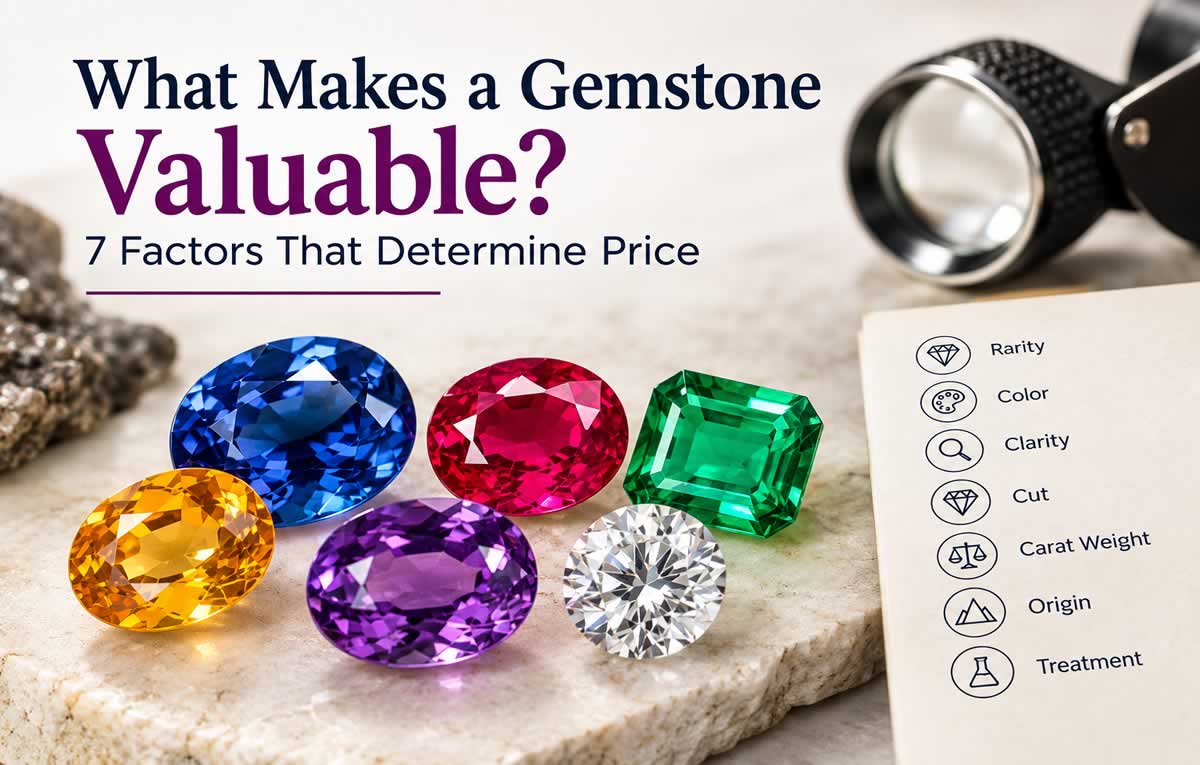
However, gemstone value is determined by many factors, including:
Color
Clarity
Cut
Carat weight
Transparency
Rarity
Origin
Treatment
Durability
Optical phenomena
Market demand
Certification
A transparent gemstone with weak color may be less desirable than a slightly less transparent stone with exceptional color.
This is why gemstones should be evaluated as a complete package rather than based on one characteristic.
Transparency in Sapphire
Sapphire is a good example of why transparency should be considered alongside other quality factors.
Fine sapphire can have excellent transparency, but some natural sapphires contain inclusions that affect how light passes through the stone.
Inclusions do not automatically make a sapphire undesirable. In some cases, they can provide evidence of natural formation or contribute to special optical phenomena.
When evaluating sapphire, buyers should consider transparency together with color, clarity, cut, treatment, origin, and certification.
Transparency in Ruby
Ruby can range from transparent to translucent and, in some material, nearly opaque.
Fine transparent ruby with strong, attractive red color can be highly desirable.
However, natural ruby frequently contains inclusions, and completely inclusion-free natural ruby is uncommon.
A ruby’s transparency should therefore be evaluated in combination with color, clarity, fluorescence, treatment, origin, and overall appearance.
Transparency in Emerald
Emerald is another gemstone where the relationship between transparency and clarity is especially important.
Natural emeralds commonly contain inclusions, and heavily included material may have reduced transparency.
High-quality emerald with attractive green color and good transparency can be particularly desirable.
However, emeralds should not be judged by the same clarity standards used for diamonds because inclusions are common and part of the natural character of emerald.
Transparency in Aquamarine
Aquamarine is commonly appreciated for its blue to blue-green color and can display excellent transparency.
Clean, transparent aquamarine can look exceptionally bright when properly cut.
When evaluating aquamarine, buyers should consider:
Color
Transparency
Clarity
Cut
Carat weight
Treatment
Origin
A good combination of blue color, transparency, and cutting quality can produce a highly attractive aquamarine.
Transparency in Tourmaline
Tourmaline can occur in a wide range of transparency levels.
Some tourmalines are highly transparent and suitable for brilliant faceting, while others may be more translucent.
Tourmaline’s color, zoning, inclusions, and optical characteristics can all influence the way transparency appears.
Because tourmaline occurs in many colors and varieties, its transparency should be evaluated according to the specific material.
Transparency in Garnet
Many garnets can be transparent and highly suitable for faceting.
However, garnet transparency varies among different garnet species and varieties.
Some garnets can display strong color and excellent transparency, while others may be more translucent or opaque.
This variety is one of the reasons garnet is such an interesting gemstone family for collectors and jewelry enthusiasts.
How to Examine Gemstone Transparency
You can perform a basic visual examination without specialized equipment.
Step 1: Clean the Gemstone
Remove fingerprints, dust, oil, and other surface contaminants.
A dirty gemstone can appear less transparent than it actually is.
Step 2: Use Neutral Lighting
Examine the gemstone under bright, neutral lighting.
Avoid evaluating transparency under strongly colored lighting.
Step 3: Look Through the Stone
For a transparent gemstone, try to look through the material from different angles.
Observe whether you can see objects or details on the opposite side.
Step 4: Rotate the Gemstone
Rotate the stone slowly and examine its appearance from different directions.
Changes in color, reflections, and internal characteristics can become more noticeable.
Step 5: Examine the Interior
Look for:
Inclusions
Fractures
Cloudiness
Color zoning
Internal reflections
Areas of reduced transparency
For valuable gemstones, professional gemological examination is recommended.
Natural, synthetic, and treated gemstones can all exhibit similar levels of transparency.
Reliable gemstone identification may require examination of:
Refractive index
Specific gravity
Optical properties
Inclusions
Growth structures
Absorption spectrum
Fluorescence
Chemical composition
Treatment indicators
For expensive gemstones, an independent gemological report can provide important information about identity and treatment.
How to Choose a Gemstone Based on Transparency
When buying a gemstone, consider the following:
Choose the Right Transparency for the Gemstone
Don’t assume every gemstone should be completely transparent.
Research the typical appearance of the specific gemstone variety.
Consider Color and Transparency Together
A gemstone with excellent transparency but weak color may not be as attractive as one with a stronger, more desirable color.
Examine the Cut
Good cutting can improve how available light is used within the gemstone.
Look for Significant Internal Obstructions
Large fractures, excessive cloudiness, or heavy inclusions may negatively affect appearance and durability.
Consider the Purpose
A transparent gemstone may be ideal for a faceted engagement ring, while a translucent gemstone may be perfect for a cabochon or collector’s piece.
Request Certification for Valuable Stones
For high-value natural gemstones, certification can help verify important characteristics and provide greater confidence when purchasing.
Common Misconceptions About Gemstone Transparency
“The Most Transparent Gemstone Is Always the Best”
Not necessarily.
Different gemstones have different ideal transparency characteristics.
“Transparency and Clarity Mean the Same Thing”
They do not.
Transparency concerns light transmission, while clarity concerns inclusions and internal characteristics.
“Opaque Gemstones Are Low Quality”
This is incorrect.
Many opaque gemstones are highly desirable because of their color, pattern, texture, rarity, or optical phenomena.
“High Transparency Means the Gemstone Is Natural”
Transparency does not establish natural origin.
Professional testing is needed when authenticity is important.
Final Thoughts on Gemstone Transparency
Gemstone transparency is an important characteristic that describes how light passes through a gemstone. Understanding whether a gemstone is transparent, translucent, or opaque can help you better appreciate its appearance and make more informed purchasing decisions.
For many faceted gemstones, good transparency can contribute to brightness, depth, and visual appeal. However, transparency is not universally a measure of quality. Some gemstones are valued specifically for their translucent or opaque appearance.
When evaluating a natural gemstone, always consider transparency alongside color, clarity, cut, carat weight, rarity, treatment, origin, durability, and market demand.
Whether you are buying sapphire, ruby, emerald, aquamarine, tourmaline, garnet, quartz, or another natural gemstone, understanding gemstone transparency gives you a valuable foundation for judging the stone’s appearance and quality.