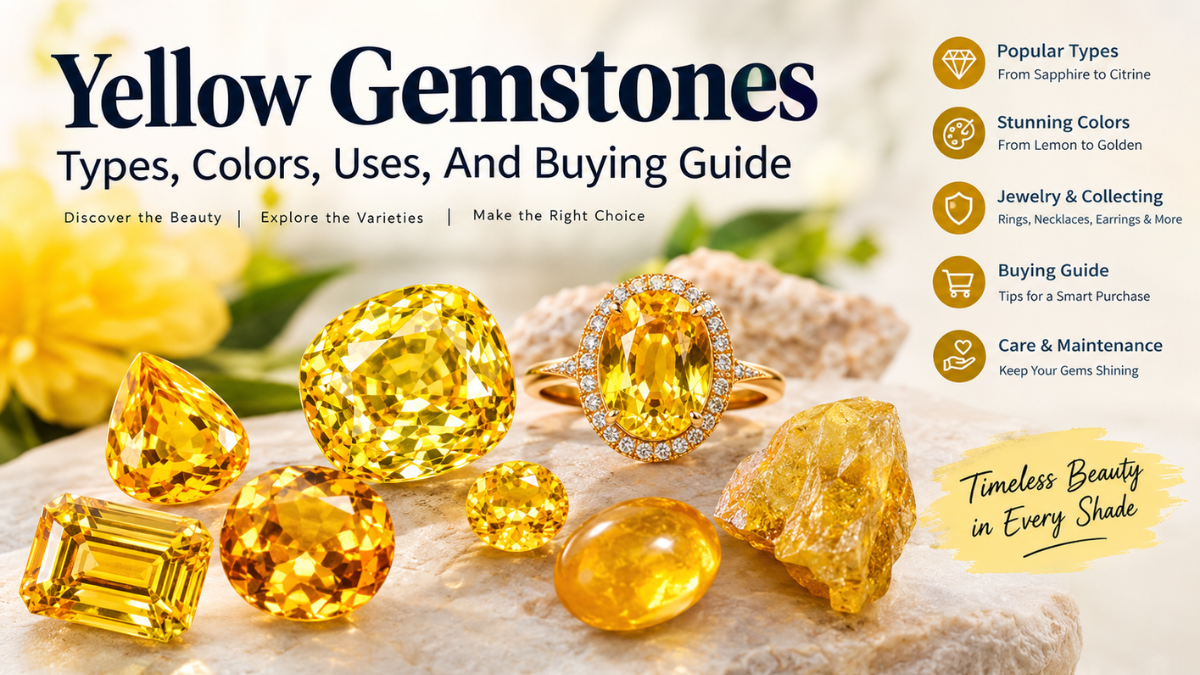
Something about yellow gemstones just pulls people in. Maybe it’s the warmth of the color. It runs everywhere soft lemon, pale straw, rich gold, honey, sometimes tipping into orange. And because more than one gemstone family produces that yellow, no two yellow stones are really the same once you look past the surface.
If you’re shopping in the US, understanding what separates these stones helps a lot before you spend money. Citrine, yellow gemstones, sapphire, yellow topaz, yellow diamond, yellow garnet, and that’s just the start. Some of these work fine for everyday jewelry. Others are really only worth chasing if you’re a collector.
What Actually Counts as a Yellow Gemstone
Any gem or mineral specimen where yellow gemstones is the color you notice first. What causes it usually comes down to the stone’s chemistry, plus whatever trace elements got mixed in, though treatment plays a role for a lot of stones too. Yellow gemstones show up across a surprising number of minerals: corundum, quartz, topaz, diamond, garnet, beryl, tourmaline, zircon. Which is good news if you’re shopping, because you’re not stuck picking between two or three options.
Intensity varies a ton, stone to stone. Some barely hint at yellow gemstones. Others practically glow gold. Lighting, transparency, clarity, cut all of it changes what you end up seeing.
The Main Yellow Gemstones You’ll Come Across
Same color on the surface doesn’t mean the same yellow gemstones underneath. Worth knowing that before comparing them.
Yellow Sapphire
- A corundum variety, known for pairing decent color with real toughness.
- Shades go from a pale, almost buttery yellow gemstone up to bright yellow, golden yellow, even edging into yellow-orange.
- Sapphire scores a 9 on Mohs hardness.
- That’s tough. Which is exactly why yellow gemstones, like sapphire, show up so often in rings and earrings people actually wear every day.
- Color, clarity, cut, and origin all decide how a specific stone looks in the end.
- If natural vs. treated matters to you, just ask the seller. Don’t assume.
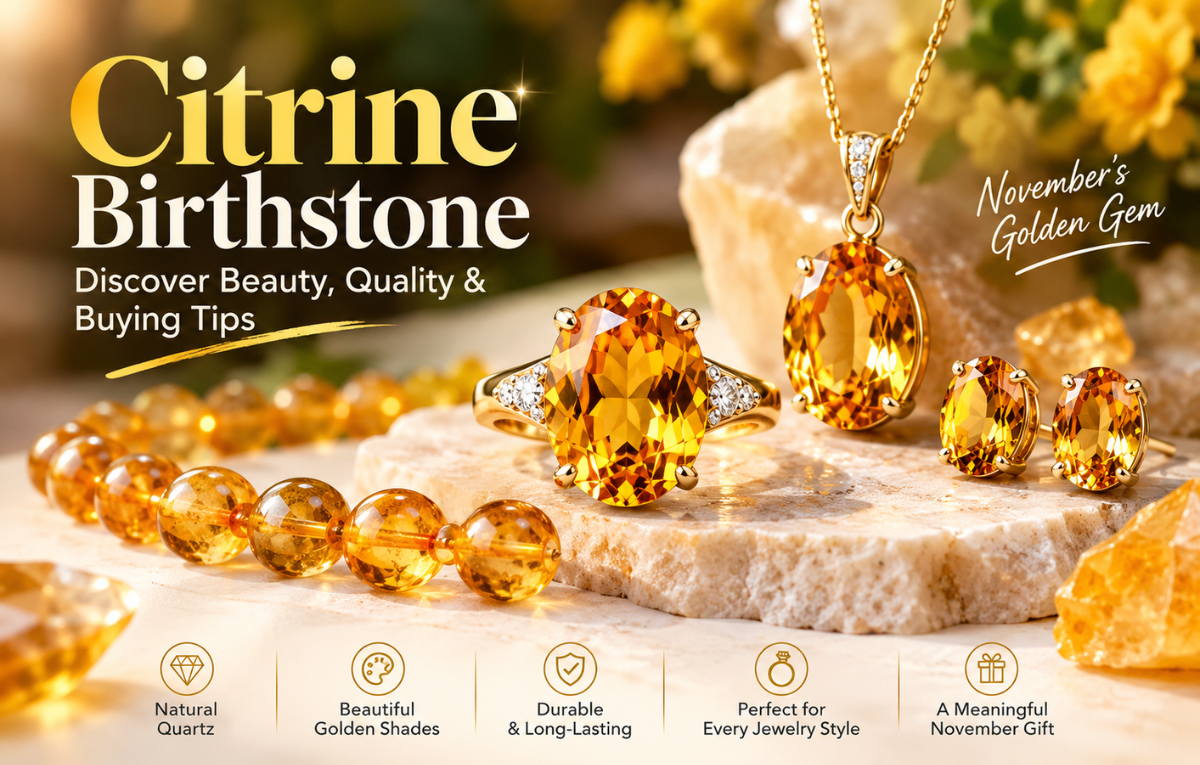
Citrine
- A transparent quartz variety, and probably the most recognizable yellow gemstones out there. You see it everywhere rings, pendants, big statement pieces.
- That warm color works especially well in larger designs. And citrine costs a lot less than most other yellow gemstones, so you get the look without paying rare-gem prices.
- Here’s the thing though most citrine sold today started out as amethyst, heat-treated into yellow gemstones. If naturally colored citrine matters to you specifically, ask before buying.
Yellow Topaz
- Bright, transparent, ranging from light yellow to deeper golden and honey shades.
- Mohs hardness of 8. Decent. But topaz has cleavage, meaning a hard knock can actually split it apart. So the setting matters more here than people realize.
- Still, yellow topaz looks great in rings, pendants, and earrings clarity and a good cut give it real brightness under proper light.
Yellow Diamond
- Falls under fancy-color diamonds. You’re getting diamond brilliance plus a distinct yellow body color, and that combination isn’t cheap or common.
- How strong that yellow looks depends on color intensity, clarity, cut, carat weight, and whether the color is natural or was induced. Lots of moving parts.
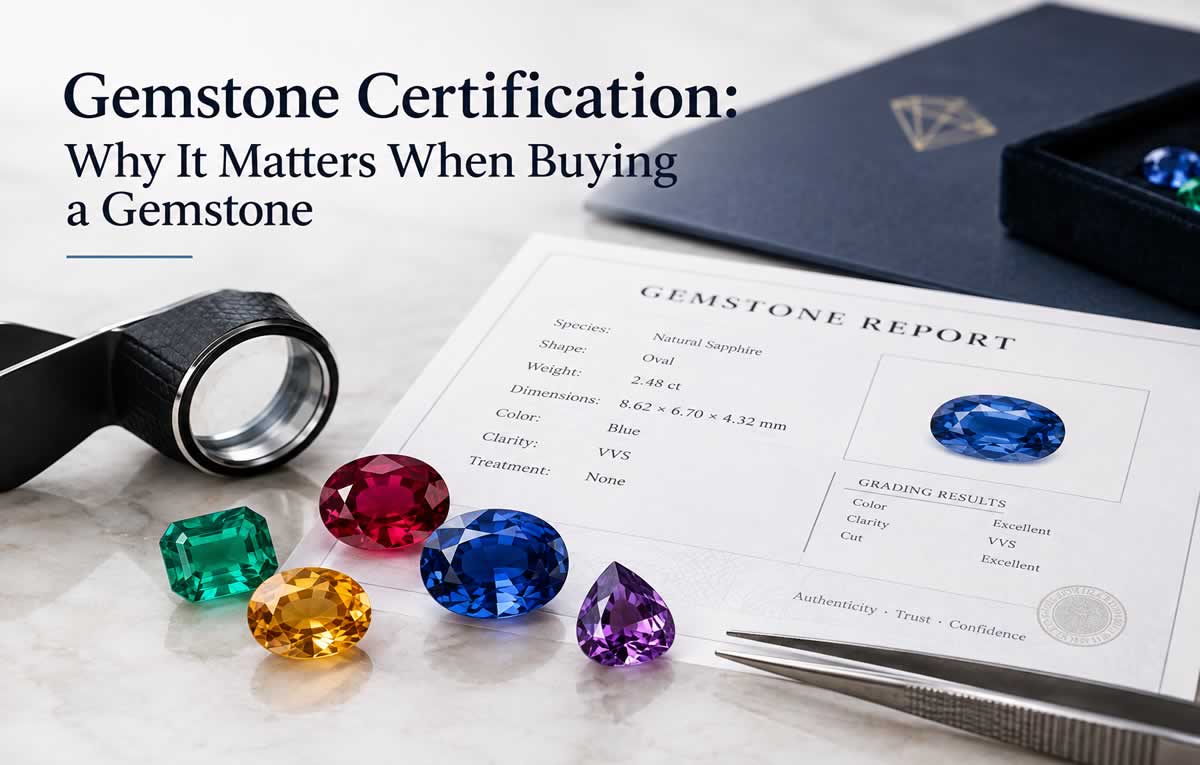
- For anything beyond a small purchase, get an independent gemological report. Just do it.
Yellow Garnet
- Garnet’s actually a whole family of species, and a few of them come in genuinely nice yellow tones.
- People like yellow garnets partly because they’re different, not the usual citrine or sapphire everyone already knows.
- Colors range from lighter yellow through richer golds and yellow-oranges.
- Because garnet has so many species under one name, correct identification matters if you’re buying something unusual.
The Less Common Ones
- Beyond the familiar names yellow beryl, yellow tourmaline, zircon, chrysoberyl, sphene, apatite. These tend to attract collectors more than everyday buyers.
- Hardness, transparency, and availability vary all over the place depending on the stone.
- Some work fine in jewelry. Others really only make sense as standalone specimens.
- For collectors, this is where the fun is. Rarity, crystal form, locality, an unusual color that’s what drives interest here, not how “wearable” something is.
What Actually Separates One Yellow Stone From Another
Color ranges from pale to vivid golden, honey, lemon, yellow-orange, each giving off its own feel. Clarity is about what you can actually see inside the stone; some types are expected to have inclusions, others usually show up clean. Cut decides how light moves through the stone, which changes brightness and sparkle. Hardness is scratch resistance, and it matters more the more you plan to wear something. Rarity drives collector interest and price, but never judge it alone, quality and identification matter just as much. And treatment: knowing whether a stone is untreated, treated, synthetic, or an imitation is really the core of what you’re paying for.
Picking the Right One
- Depends entirely on what you’re using it for. A daily ring needs different things than a special-occasion pendant or a piece bought purely for a collection.
- Match the stone to its purpose first. Everyday jewelry wants durability and a protective setting. Statement pieces can lean into size and visual impact instead. Collectors usually care more about rarity and natural origin than practicality.
- Look at color under real light, not just photos photos lie more than people think. Decide if you want soft and pale, bright lemon, deep gold, or honey.
- Good clarity plus a well-done cut usually means a brighter stone. Just remember “good clarity” means something different for each gemstone type only compare within the same species.
- And think about durability. How often will you wear it, and where? A daily ring needs way more attention to hardness and cleavage risk than a pendant that mostly just sits there.
Natural or Treated: Does It Matter?
- Not every yellow gemstone gets its color naturally. Plenty are treated specifically to bring it out.
- Citrine’s the classic case most of what’s sold today started as amethyst before heat treatment changed it. Yellow sapphire shows up in both natural and treated forms too.
- None of this makes a treated stone bad. It’s really about transparency know what you’re buying, and whether treatment affects care, rarity, or value.
- Natural, treated, synthetic, imitation these are different categories. Don’t let anyone blur the lines between them, including yourself.
Where These Stones Show Up in Jewelry
Rings can showcase yellow gemstones as the centerpiece or worked into a bigger design. Daily wear means paying real attention to hardness, toughness, and how protective the setting is. Pendants let you go bigger without exposing the stone to nearly as much impact as a ring would. Golden and honey tones make strong focal points, classic or modern. Earrings work as matched pairs or standalone statement stones smaller for everyday, bigger when you want people to notice.
For the Collectors
It’s not just about finished jewelry. Rough crystals, unusual specimens, and rare natural formations are all genuinely valuable to a serious collection. Collectors care about locality, crystal structure, natural color, transparency, and overall specimen quality. And for anything less common, correct identification becomes even more important several different minerals can look nearly identical in yellow gemstones.
Buying Yellow Gemstones in the US
Once you know what you’re looking for, this gets a lot easier. Start with the gemstone species itself, then move to color, clarity, cut, size, durability, and treatment status. For higher-value purchases, get an independent gemological report. It’s worth the cost. And just ask. Ask if it’s natural, treated, synthetic, or an imitation. Comparing those answers, not just how it looks, is what leads to a smart purchase.
Taking Care of These Stones
- Care depends on the specific gemstone, not the fact that it’s a yellow gemstone.
- Hardness, toughness, cleavage, and sensitivity to treatment all different, stone to stone.
- Stick to cleaning methods that suit that particular gem. Avoid unnecessary impacts, harsh chemicals, and sudden temperature swings. Store pieces separately it cuts down on scratching.
- If you’re not sure how something was treated, or how to clean it safely, ask a professional.
Why People Keep Buying Yellow Gemstones
A lot of it comes down to variety. Soft pastels, vivid lemon, deep gold, warm honey there’s a shade for almost anyone. Prices and rarity span a huge range too. Some are everyday jewelry stones. Others exist mainly for collectors chasing something uncommon. That mix of color, price range, and rarity is what keeps these stones relevant across so many different tastes.
Frequently Asked Questions
What are the most popular yellow gemstones?
Citrine, yellow sapphire, yellow topaz, and yellow diamonds these come up the most.
Which yellow gemstone holds up best?
Yellow sapphire, hands down. Mohs hardness of 9.
Is natural citrine rare?
It exists, but most citrine on the market is heat-treated amethyst, not naturally yellow gemstones quartz.
Are yellow sapphire and yellow topaz the same thing?
No. Completely different minerals, despite the similar color.
Can I wear a yellow gemstone ring every day?
Yes, just think through hardness, toughness, cleavage, and the setting first.
How do I know if a yellow gemstone’s been treated?
A proper gemological exam or lab report is really the only way to know for sure.
What should I check before buying?
Identity, color, clarity, cut, durability, treatment status, documentation, and what you actually plan to use it for.
Final Word
Yellow gemstones cover a genuinely wide range, from familiar names like citrine and sapphire to rarer varieties most people have never heard of. Each brings its own mix of color, toughness, clarity, and rarity.
For US buyers, taking time to learn these differences makes the whole process smoother. Whether it’s a ring, a pendant, earrings, or a growing collection, looking past the color alone is what gets you a stone you’ll actually be happy with.