Some gemstones need a good story to sell them. Sphene Stone doesn’t. Catch it under the right light, and it does the talking itself. Also called titanite, this stone’s known for serious brilliance, strong dispersion, and colors that swing from yellow and green to brown and orange, sometimes all in shades you don’t quite expect.
What makes sphene genuinely interesting, though, isn’t just the color. It’s rare, and it plays with light in a way most gemstones can’t match. A well-cut sphene throws flashes of red, green, yellow, color after color, across its facets. Collectors notice. GIA lists sphene stone under titanite and flags its high dispersion specifically, and mineralogical sources put its hardness around 5 to 5½ on the Mohs scale, worth remembering before you get too excited.
What Is Sphene Stone?
Sphene is the trade name gem dealers use for titanite, a calcium titanium silicate. Chemical formula’s CaTi(SiO₄)O, if you’re into that. The name itself comes from the Greek word sphenos, meaning wedge, which fits since the crystals naturally form in wedge shapes.
Gem-quality sphene is usually clear enough to facet. And its refractive properties are strong, strong enough that light bounces around inside the stone in a way that produces real brilliance and fire, not just a passive shine. Colors run yellow, green, orange, brown mostly. Some specimens throw in unexpected variations too, depending on where they formed and what got mixed into the crystal along the way.
Why Is Sphene Known For Its Fire?
- That’s the whole story here. It’s the optical effect that splits white light into flashes of separate colors, and sphene does this better than almost anything else in the gem world.
- Move a well-cut sphene under strong light and you’ll see it: tiny rainbow flashes scattered across the surface. GIA actually calls it “incredible fire,” and that’s not marketing talk, it’s a real optical property tied to sphene’s unusually high dispersion.
- Under direct light, or even just tilting the stone around, these flashes get noticeably stronger. It gives sphene stone a personality most colored gemstones simply don’t have.
- That optical punch is also why collectors get excited about sphene stone even when the stone itself isn’t huge. Size matters less here than it does with, say, emerald.
Sphene Stone Colors
Color’s a big part of what makes sphene appealing. Yellow and green get the most attention, but honestly, the range goes further than that.
Common sphene colors include:
- Yellow
- Green
- Yellow-green
- Brown
- Orange
- Reddish or brownish shades
- Near-colorless material
Green sphene sometimes gets its color from vanadium, interestingly. GIA actually documented a Russian titanite crystal where the bright green tied directly back to vanadium content.
Different colors give off completely different vibes. Golden-yellow sphene stone feels warm, almost cozy. Green leans more unusual, more natural-looking, depending on the stone.
Sphene Stone Hardness And Durability
Here’s the part buyers really need to hear. Sphene isn’t a hard gemstone. Titanite sits around 5 to 5½ on the Mohs scale, and it’s brittle too, with distinct to good cleavage. Not exactly built for rough handling.
You can still wear it in jewelry, don’t get me wrong, but the type of piece matters a lot. A pendant or a pair of earrings? Much safer bet. A ring, though, one that’s hitting tables and doorknobs all day? That’s asking for trouble unless the setting’s designed carefully. For daily wear, think about the setting just as much as the stone itself.
Sphene Stone For Jewelry
If you want something outside the usual gemstone lineup, sphene stone a strong option. That dispersion really shines (literally) in cuts designed to maximize light return.
It shows up in:
- Rings
- Pendants
- Earrings
- Bracelets
- Collector jewelry
- Custom gemstone designs
That said, given the moderate hardness and the brittleness, protective settings are worth thinking about seriously. A well-designed setting cuts down the risk of accidental chips or cracks quite a bit.
Thinking of sphene for an engagement ring, or anything you’ll wear constantly? Durability needs to be part of that conversation before you commit.
How To Choose A Quality Sphene Stone
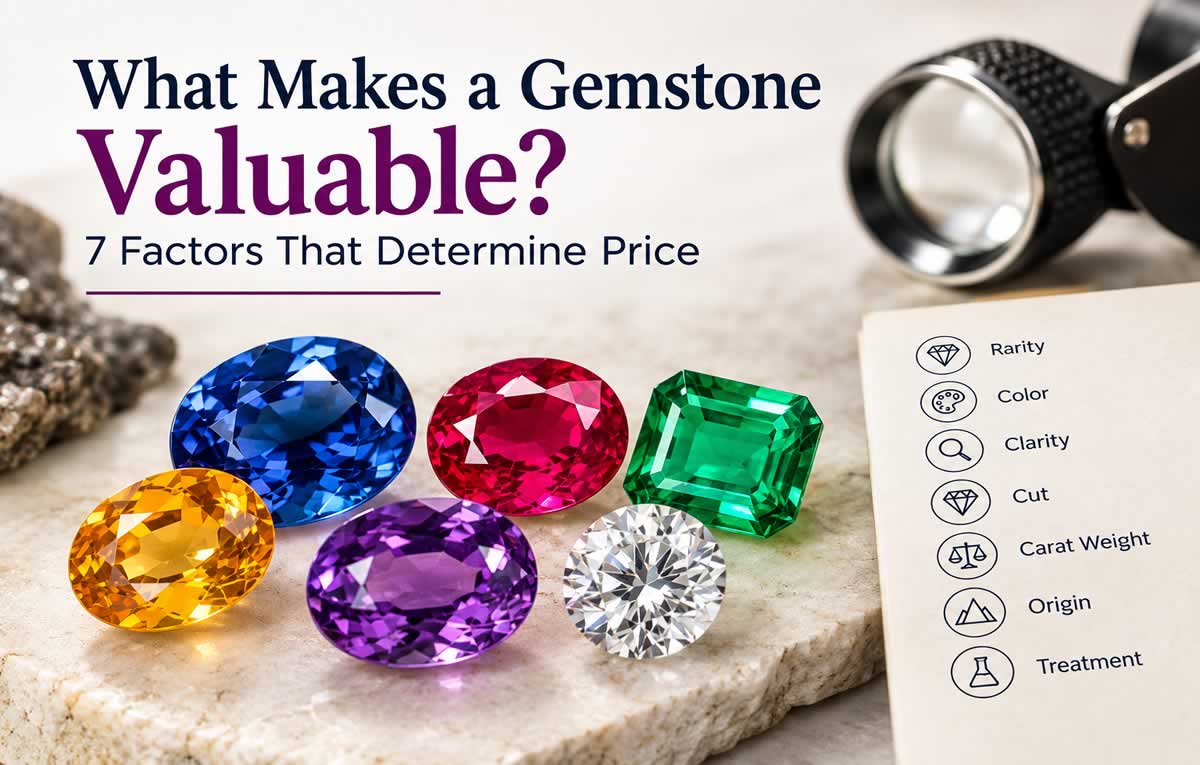
Don’t judge sphene by size alone. Several things shape how good a stone actually looks.
Color
Go for attractive, evenly distributed color. Yellow-green, golden, vibrant green- all of these can look stunning, though honestly it comes down to what you personally like.
Clarity
Transparent material lets more light through, which boosts brilliance. Inclusions happen naturally, and whether they hurt the look depends on their size, where they sit, and how visible they are.
Cut
Cut matters more for sphene than it does for a lot of gemstones, because the right proportions are what unlock that fire and brilliance. A badly cut stone just won’t show off what it’s capable of.
Carat Weight
Bigger sphene stones can look impressive, sure, but bigger isn’t automatically better. A smaller stone with great color, good clarity, and excellent cutting can easily outshine a larger one that’s weak on all three.
Where Is Sphene Found?
Sphene shows up in different geological settings around the world, and gem-quality material has turned up in quite a few places. Sri Lanka, Madagascar, Pakistan, Russia, Afghanistan and India are among the known sources for gem-quality sphene. GIA’s own gem database includes documented titanite specimens from both Pakistan and India, for what it’s worth.
Origin’s interesting for collectors, no doubt. But at the end of the day, the individual stone’s actual quality still matters more than where it came from.
How To Care For Sphene Stone
Keep it away from hard knocks, rough handling, and anything abrasive. Store it separately from harder gemstones too, so nothing scratches it by accident. For cleaning, keep it gentle. A soft cloth with mild soapy water works fine for routine cleaning, followed by a careful rinse and dry. Skip harsh chemicals and sudden temperature swings unless a professional has confirmed the specific stone and setting can handle it.
When you’re not wearing sphene jewelry, tuck it into a soft-lined box or its own pouch. Don’t just toss it in with everything else.
Final Thoughts
Sphene brings together natural color, brilliance, and genuinely exceptional fire in a way few gemstones manage. Its identity as titanite gives it an interesting mineralogical backstory, and that high dispersion turns a well-cut stone into something visually spectacular.
Sure, it’s not the hardest gem out there. But that hasn’t stopped collectors and jewelry lovers from falling for it. It just means buying sphene takes a bit more thought about how it’ll actually be worn. Want a gemstone with real flashes of color, some genuine character, and an identity that isn’t the same old thing? Sphene’s worth exploring.