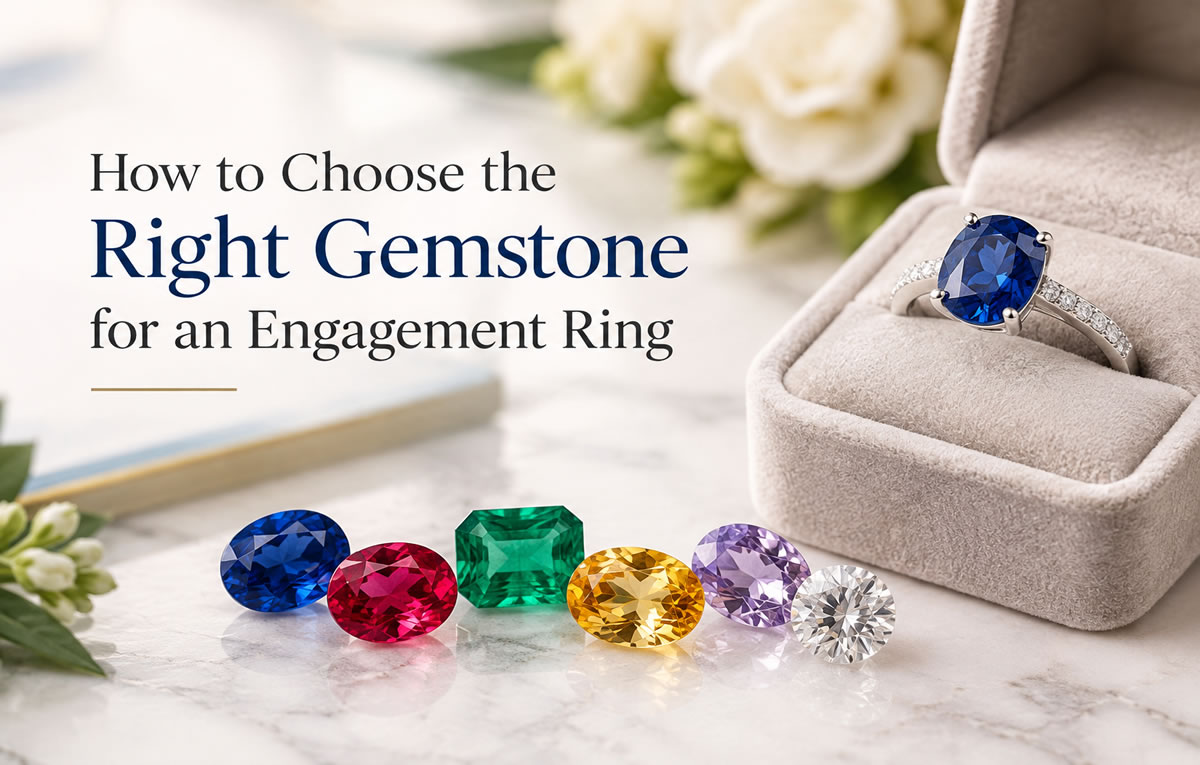
How to Choose the Right Gemstone for an Engagement Ring
An engagement ring is more than a beautiful piece of jewelry. It represents a meaningful commitment and is something that may be worn and treasured for many years. While diamonds remain a traditional choice, natural gemstones for engagement rings have become increasingly popular among couples looking for distinctive color, character, and individuality.
Choosing the right gemstone for an engagement ring requires more than simply selecting your favorite color. You should consider the gemstone’s durability, hardness, color, clarity, cut, carat weight, treatment, setting, lifestyle, and personal style.
Sapphire, ruby, emerald, aquamarine, spinel, and other colored gemstones can create stunning engagement rings. However, not every gemstone is equally suitable for everyday wear.
This guide explains how to choose the right gemstone for an engagement ring and what you should consider before making your purchase.
Why Choose a Gemstone Engagement Ring?
A gemstone engagement ring can offer a unique alternative to a traditional diamond ring.
Colored gemstones can provide:
Beautiful natural colors
Individual character
Different levels of rarity
A wide variety of cuts and shapes
Distinctive personal style
Options for different budgets
A unique alternative to traditional engagement rings
A natural gemstone can also have unique inclusions, color characteristics, and geological origins that make each stone different.
For couples who want an engagement ring that feels personal and distinctive, a colored gemstone can be an excellent choice.
Consider Durability First
An engagement ring is usually worn frequently, so durability should be one of your first considerations.
A gemstone’s hardness describes its resistance to scratching, while durability also depends on factors such as toughness, cleavage, fractures, and sensitivity to heat or chemicals.
The Mohs scale is commonly used to describe mineral hardness.
For an engagement ring, gemstones that combine good hardness with suitable toughness are generally preferable, particularly if the ring will be worn every day.
Sapphire
Sapphire is one of the most popular colored gemstones for engagement rings.
It has excellent hardness and is available in a wide range of colors. Blue sapphire is especially popular, but sapphire can also occur in pink, yellow, green, white, and other colors.
Its combination of beauty, durability, and color variety makes sapphire a practical choice for everyday jewelry.
Ruby
Ruby is another excellent gemstone option for an engagement ring.
Ruby and sapphire are both varieties of corundum and have the same high hardness.
Fine ruby is prized for its beautiful red color, and exceptional natural rubies can be extremely rare.
A ruby engagement ring can be a striking choice for someone who loves rich, passionate colors.
Emerald
Emerald is one of the world’s most famous gemstones and is recognized for its beautiful green color.
However, emerald generally requires more care than sapphire or ruby because natural emeralds commonly contain inclusions and fractures.
Emerald can be used in engagement rings, but the setting and lifestyle of the wearer should be carefully considered.
An emerald engagement ring is particularly suitable for someone who appreciates classic color and distinctive natural character.
Aquamarine
Aquamarine is known for its attractive blue to blue-green color.
It can create an elegant and sophisticated engagement ring, especially when paired with white gold, platinum, or other complementary metals.
Because aquamarine is less hard than sapphire and ruby, extra care may be appropriate if it is intended for everyday wear.
Spinel
Spinel is another attractive option for an engagement ring.
It occurs in a variety of colors, including red, pink, blue, purple, and other shades.
Fine natural spinel can display excellent brilliance and attractive color, making it an interesting alternative for buyers who want something less conventional.
Choose a Gemstone Based on Color
Color is one of the most important characteristics of a colored gemstone.
When selecting a gemstone for an engagement ring, consider three basic aspects of color:
Hue
Tone
Saturation
Hue
Hue refers to the basic color of the gemstone, such as blue, red, green, pink, or yellow.
Choose a hue that matches the personality and preferences of the person who will wear the ring.
Tone
Tone describes how light or dark the gemstone appears.
A gemstone that is extremely dark may lose some of its brightness, while one that is extremely light may appear less intense.
The ideal tone depends on the gemstone and personal preference.
Saturation
Saturation refers to the strength or intensity of the color.
A strongly saturated gemstone can appear vivid and visually impressive.
However, the most desirable saturation varies between gemstone varieties.
Consider the Gemstone Cut
The cut of an engagement-ring gemstone can dramatically affect its appearance.
A well-cut gemstone can improve:
Brilliance
Sparkle
Brightness
Color appearance
Light performance
Popular gemstone shapes include:
Oval
Round
Cushion
Emerald
Pear
Marquise
Princess
Radiant
Oval-Cut Gemstones
Oval gemstones can create an elegant appearance and may visually elongate the finger.
Oval sapphires and other colored gemstones are particularly popular in engagement-ring designs.
Cushion-Cut Gemstones
Cushion cuts combine rounded corners with a square or rectangular outline.
They can provide a romantic, classic appearance and work particularly well with colored gemstones.
Emerald-Cut Gemstones
An emerald cut uses step-cut facets that create a sophisticated, elegant appearance.
It can emphasize a gemstone’s clarity and color rather than producing maximum sparkle.
Round-Cut Gemstones
Round cuts are timeless and versatile.
They can provide strong brilliance when properly cut and work well with many engagement-ring settings.
Choose the Right Carat Weight
Carat refers to the weight of a gemstone, not its physical dimensions.
A larger carat weight does not automatically mean a better gemstone.
When selecting a gemstone for an engagement ring, balance carat weight with:
Color
Clarity
Cut
Budget
Ring size
Setting
Wearability
A smaller gemstone with exceptional color and cut may look considerably more beautiful than a larger gemstone with weak color or poor proportions.
Think About Clarity
Clarity describes the internal and external characteristics of a gemstone.
Natural gemstones can contain inclusions because they formed under natural geological conditions.
Some gemstone varieties commonly contain more inclusions than others.
Should an Engagement-Ring Gemstone Be Eye-Clean?
An “eye-clean” gemstone generally appears free of obvious inclusions when viewed without magnification.
For some gemstones, an eye-clean stone can be highly desirable.
However, complete clarity is not necessarily required for every gemstone.
Emeralds, for example, commonly contain inclusions, and these natural characteristics are part of their identity.
When choosing a gemstone for an engagement ring, focus on whether inclusions affect:
Beauty
Transparency
Durability
Overall appearance
Consider Natural vs. Treated Gemstones
Another important consideration is whether the gemstone has been treated.
Gemstone treatments can include:
Heat treatment
Oiling
Fracture filling
Diffusion
Irradiation
Surface treatments
Treatment does not automatically make a gemstone undesirable.
Many treatments are accepted within the gemstone industry and can improve color or appearance.
However, treatment should be disclosed, particularly when buying an expensive gemstone.
If you prefer an untreated gemstone, make sure the seller clearly states that the stone is natural and untreated and, for a valuable purchase, consider obtaining an independent laboratory report.
Choose a Gemstone That Matches the Wearer’s Lifestyle
Lifestyle is an important but sometimes overlooked factor.
Consider how the ring will be worn.
If the wearer works with their hands, participates in sports, gardens frequently, or performs activities that can expose the ring to impact, a durable gemstone and protective setting may be preferable.
Someone who primarily wears the ring in controlled environments may have more flexibility in gemstone selection.
An engagement ring should fit the wearer’s lifestyle, not just their aesthetic preferences.
Select the Right Ring Setting
The setting protects the gemstone and contributes significantly to the overall appearance of the ring.
Common settings include:
Prong setting
Bezel setting
Halo setting
Three-stone setting
Solitaire setting
Cluster setting
Prong Setting
Prongs hold the gemstone in place while exposing a significant portion of the stone.
This can allow more light to enter the gemstone and make the center stone highly visible.
Bezel Setting
A bezel setting surrounds the gemstone with metal.
This can provide additional protection around the edges of the gemstone and create a modern appearance.
Halo Setting
A halo setting surrounds the center gemstone with smaller stones.
This can make the center gemstone appear larger and create additional sparkle.
Three-Stone Setting
A three-stone ring features a central gemstone accompanied by two additional stones.
It can create a meaningful design representing different stages of a relationship.
Match the Gemstone With the Jewelry Metal
The metal you choose can change how a gemstone’s color appears.
Popular options include:
Yellow gold
White gold
Rose gold
Platinum
Blue gemstones can look particularly elegant with white metals, while warm-colored gemstones can create beautiful combinations with yellow or rose gold.
However, there are no strict rules. The best combination is ultimately the one that matches the wearer’s personal style.
Think About the Meaning Behind the Gemstone
Many people choose engagement-ring gemstones because they associate certain stones with particular meanings or symbolism.
For example:
Sapphire
Often associated with loyalty, wisdom, and sincerity.
Ruby
Commonly associated with passion, love, and vitality.
Emerald
Often associated with growth, renewal, and prosperity.
Aquamarine
Traditionally associated with calmness, serenity, and the sea.
While these meanings are largely cultural and symbolic rather than scientific, they can add a personal dimension to the ring.
Consider the Gemstone’s Origin
Origin can be an important factor for certain gemstones.
Gemstones from famous sources can have additional appeal among collectors and enthusiasts.
For example, sapphires from locations such as Sri Lanka, Kashmir, Myanmar, and Madagascar are known in the gemstone market, while emeralds from Colombia and Zambia are particularly well known.
However, geographic origin should ideally be established through professional laboratory testing rather than assumed from appearance alone.
Set a Realistic Budget
Your budget should include more than the gemstone itself.
Consider the cost of:
Center gemstone
Accent stones
Ring metal
Custom design
Setting
Certification
Future maintenance
Instead of choosing the largest gemstone possible, focus on finding the best combination of color, cut, clarity, durability, and size within your budget.
A beautiful, well-proportioned gemstone can create a much more impressive ring than simply choosing the highest carat weight.
Buy a Loose Gemstone or a Finished Ring?
You can purchase an engagement ring as a finished piece or buy a loose gemstone and have a ring custom designed.
Buying a Loose Gemstone
Buying a loose gemstone allows you to choose:
Exact color
Shape
Carat weight
Clarity
Treatment
Origin
Certification
You can then have the gemstone set into a custom-designed ring.
This approach can be particularly appealing to buyers who want greater control over the final design.
Buying a Finished Ring
A finished ring is more convenient because the gemstone and setting have already been selected.
It can be a good option if you prefer a ready-to-wear design.
Consider a Certified Gemstone
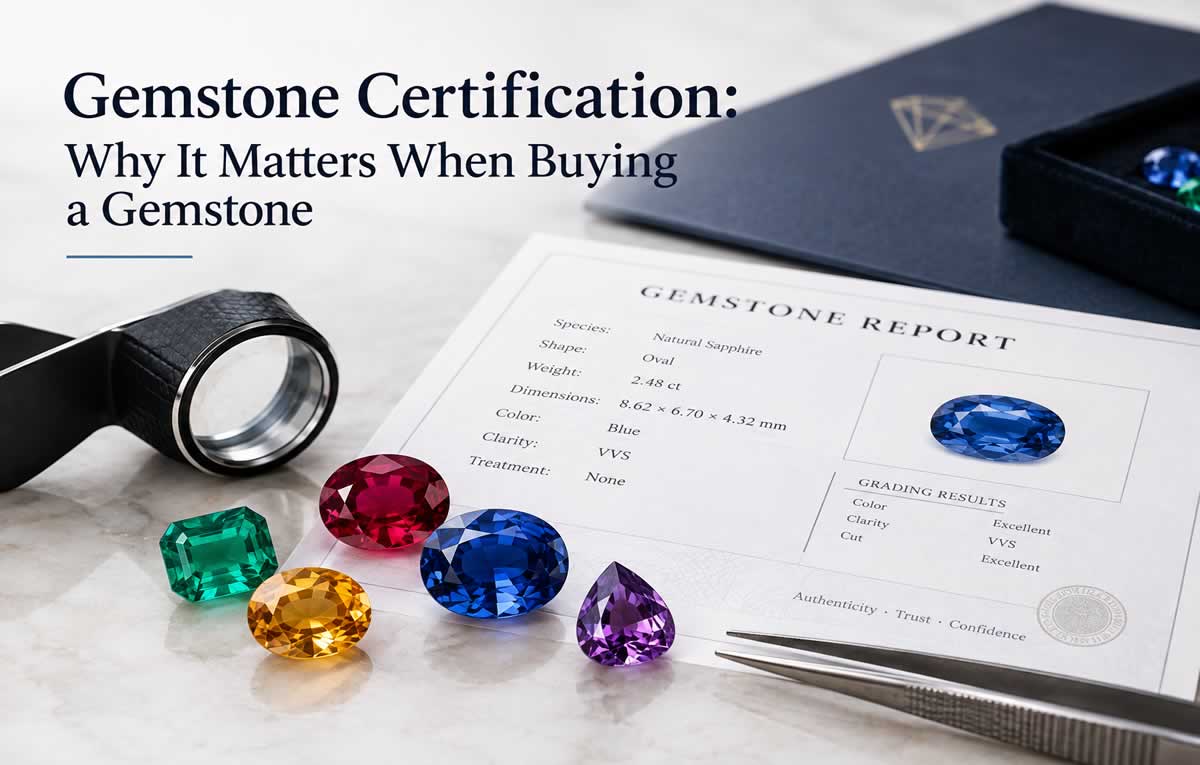
For a valuable engagement-ring gemstone, certification can provide useful information about the stone.
A professional gemological laboratory may be able to determine characteristics such as:
Natural or synthetic status
Gemstone identity
Detectable treatments
Weight and measurements
Other identifying characteristics
Geographic origin in some cases
Certification is especially useful when purchasing a high-value natural gemstone.
How to Inspect a Gemstone Before Buying
Before purchasing, examine the gemstone under good lighting.
Look for:
Attractive color
Good symmetry
Well-polished facets
Even color distribution
Suitable transparency
Significant visible fractures
Chips or surface damage
Overall brilliance
If possible, view the gemstone from different angles.
Photography can sometimes make a gemstone appear different from how it looks in person, so examining the actual stone is preferable when possible.
Common Mistakes to Avoid
Choosing Only Based on Color
A beautiful color is important, but durability and cut should also be considered.
Buying the Largest Gemstone
Size alone does not determine quality.
Ignoring Treatment
Always ask about treatment history.
Choosing an Unsuitable Gemstone for Everyday Wear
Some gemstones require more care than others.
Ignoring the Setting
A beautiful gemstone still needs an appropriate setting to protect it.
Buying Without Knowing the Specifications
Ask for the gemstone’s carat weight, dimensions, treatment information, and other relevant details.
Skipping Certification for an Expensive Stone
For a significant purchase, independent laboratory testing can provide valuable assurance.
Best Gemstones for Engagement Rings
There is no single gemstone that is perfect for everyone. However, the following are popular options to consider:
Gemstone
Key Advantage
Everyday Wear Consideration
Sapphire
Excellent durability and color variety
Excellent choice for many engagement rings
Ruby
Strong durability and vivid red color
Excellent choice when properly selected
Emerald
Iconic green color
Requires more careful handling
Spinel
Beautiful colors and good brilliance
Suitable with appropriate care
Aquamarine
Elegant blue color
Better with thoughtful everyday care
Diamond
Exceptional hardness and brilliance
Excellent for everyday wear
The right choice depends on the wearer’s lifestyle, preferred color, design, and budget.
Questions to Ask a Gemstone Seller
Before buying a gemstone for an engagement ring, ask:
Is the gemstone natural or synthetic?
Has it been treated?
What type of treatment was performed?
What is the gemstone’s carat weight?
What are its exact dimensions?
What is its clarity?
What is its origin, if known?
Is a laboratory report available?
Is the gemstone suitable for everyday jewelry?
What care does the gemstone require?
A reputable gemstone seller should be willing to provide clear and accurate information.
Frequently Asked Questions About Engagement Ring Gemstones
What is the best gemstone for an engagement ring?
Sapphire and ruby are among the strongest choices for everyday colored gemstone engagement rings because of their excellent hardness and attractive colors. The best gemstone ultimately depends on personal preference and lifestyle.
Is sapphire better than diamond for an engagement ring?
Neither is universally better. Diamond has exceptional hardness and traditional appeal, while sapphire offers beautiful color and excellent durability. Sapphire can be a distinctive alternative to a traditional diamond ring.
Is emerald suitable for an engagement ring?
Yes, emerald can be used for an engagement ring, but it generally requires more care than sapphire or ruby. Natural emeralds commonly contain inclusions and fractures, so the stone and setting should be selected carefully.
What color gemstone is best for an engagement ring?
The best color is the one the wearer loves. Blue sapphire, red ruby, green emerald, pink sapphire, and many other colors can create beautiful engagement rings.
Should I buy a natural or treated gemstone?
Both can be good choices. Natural untreated gemstones can be particularly desirable, while treated natural gemstones can offer attractive color and value. The important thing is to understand and disclose the treatment.
What gemstone shape is best for an engagement ring?
Oval, round, cushion, emerald, pear, marquise, and radiant cuts are all popular. The best shape depends on personal style, finger proportions, gemstone type, and ring design.
How much should I spend on an engagement-ring gemstone?
There is no universal amount that you need to spend. Set a comfortable budget and prioritize the characteristics that matter most to you, such as color, durability, cut, size, and certification.
Should an engagement-ring gemstone be certified?
For a valuable natural gemstone, an independent laboratory report can be very useful. It can provide information about gemstone identity, natural or synthetic status, and treatments.
Final Thoughts
Choosing the right gemstone for an engagement ring is about finding the balance between beauty, durability, personal meaning, and budget.
Start by considering the wearer’s lifestyle and the gemstone’s durability. Then evaluate color, clarity, cut, carat weight, treatment, origin, and certification. Finally, select a setting and metal that complement the gemstone while providing appropriate protection.
Sapphire and ruby are excellent choices for those looking for durable colored gemstones, while emerald, aquamarine, spinel, and other gemstones can offer distinctive alternatives when selected and cared for properly.
Most importantly, don’t choose an engagement-ring gemstone simply because it is large or expensive. Choose a stone with a color and character that has personal meaning and a quality level that fits your needs.
A carefully selected natural gemstone can make an engagement ring truly unique—and create a piece of jewelry that can be cherished for generations.