How to Care for and Clean Your Natural Gemstone Jewelry
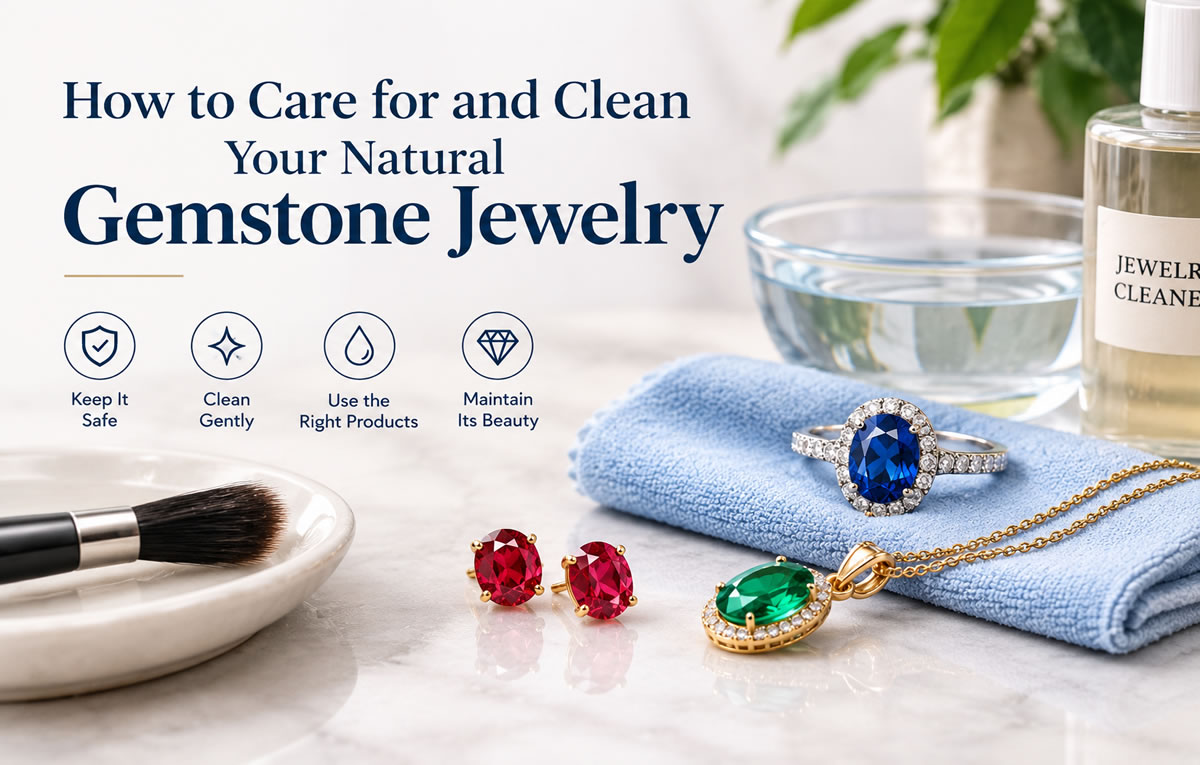
Natural gemstone jewelry is beautiful, unique, and often highly valuable. Whether you own a sapphire ring, ruby earrings, emerald pendant, aquamarine bracelet, or a piece featuring another natural gemstone, proper care is essential to preserve its beauty and condition.
Unlike some everyday materials, gemstones can be affected by scratches, chemicals, heat, sudden temperature changes, and improper cleaning methods. Even a durable gemstone can be damaged if it is exposed to unsuitable cleaning products or handled incorrectly.
Learning how to clean natural gemstone jewelry safely is therefore important for anyone who owns or collects gemstone jewelry.
In this guide, we explain how to clean, handle, store, and maintain natural gemstone jewelry while avoiding common mistakes that can cause unnecessary damage.
Why Proper Gemstone Jewelry Care Matters
Every gemstone has its own physical and chemical characteristics. Some gemstones are relatively hard and durable, while others are softer or more sensitive to heat, chemicals, pressure, or sudden temperature changes.
Natural gemstones can also contain inclusions, fractures, or treatments that require special care.
Proper maintenance can help:
- Preserve the gemstone’s natural beauty
- Maintain its brilliance and luster
- Prevent scratches and surface damage
- Protect the jewelry setting
- Remove everyday dirt and oils
- Extend the life of your jewelry
- Reduce the risk of accidental damage
The most important rule is simple: not every gemstone should be cleaned in the same way.
How to Clean Natural Gemstone Jewelry Safely
For many types of gemstone jewelry, gentle cleaning with lukewarm water, mild soap, and a soft cloth is a good starting point.
However, you should always consider the specific gemstone and whether it has been treated before choosing a cleaning method.
Step 1: Prepare Lukewarm Water
Fill a small bowl with lukewarm water.
Avoid very hot or very cold water. Sudden temperature changes can potentially damage some gemstones, particularly stones with internal fractures or certain treatments.
Step 2: Add a Small Amount of Mild Soap
Add a small amount of gentle, mild soap to the water.
Avoid aggressive household cleaners, bleach, chlorine, and other harsh chemicals.
Step 3: Gently Clean the Jewelry
Place the jewelry in the solution only when you know the gemstone and setting are suitable for this method.
Use a very soft cloth or a soft-bristled brush to gently remove dirt and oils.
Pay particular attention to areas behind the gemstone and around the jewelry setting, where dust and residue can accumulate.
Do not scrub aggressively.
Step 4: Rinse Carefully
Rinse the jewelry with clean lukewarm water to remove any remaining soap.
If you are cleaning jewelry over a sink, make sure the drain is closed or use a bowl. Small gemstones and jewelry pieces can easily slip into an open drain.
Step 5: Dry With a Soft Cloth
Gently pat the jewelry dry using a clean, soft, lint-free cloth.
Allow the piece to completely dry before storing it.
How Often Should You Clean Gemstone Jewelry?
The ideal cleaning frequency depends on how often you wear your jewelry.
Jewelry worn regularly may accumulate:
- Skin oils
- Dust
- Sweat
- Cosmetics
- Lotions
- Soap residue
A gentle cleaning every few weeks or whenever the jewelry becomes visibly dirty can help maintain its appearance.
However, avoid excessive cleaning or aggressive scrubbing.
For valuable or delicate gemstone jewelry, professional inspection and cleaning may be appropriate from time to time.
Avoid Harsh Chemicals
One of the most important rules when caring for natural gemstone jewelry is to avoid unnecessary exposure to chemicals.
Household cleaning products may contain ingredients that can damage gemstones, metal settings, or surface treatments.
Avoid exposing gemstone jewelry to:
- Bleach
- Chlorine
- Strong detergents
- Abrasive cleaners
- Acetone
- Strong solvents
- Industrial cleaning chemicals
Perfume, hairspray, lotions, and cosmetics can also leave residues on jewelry.
A good habit is to put your gemstone jewelry on after applying cosmetics, perfume, and hairspray.
Be Careful With Ultrasonic Cleaners
Ultrasonic jewelry cleaners can be convenient, but they are not suitable for every gemstone.
The vibrations produced by ultrasonic cleaners may potentially damage gemstones with fractures, inclusions, cavities, or certain treatments.
Some gemstones should therefore not be placed in an ultrasonic cleaner without professional advice.
If you are unsure about your gemstone, it is safer to use a gentle cleaning method or consult a qualified jeweler or gemologist.
Can You Use a Steam Cleaner on Gemstone Jewelry?
Steam cleaning is also not appropriate for every gemstone.
High temperatures can affect certain gemstones and treatments. Sudden changes in temperature may also create stress within some stones.
If you do not know how your gemstone was treated or whether it is suitable for steam cleaning, avoid using a steam cleaner.
For valuable gemstone jewelry, professional cleaning is often the safer choice.
Special Care for Different Natural Gemstones
Different gemstones require different levels of care. Understanding the characteristics of your stone can help you choose the safest cleaning method.
Sapphire Jewelry
Sapphire is relatively durable and is commonly used in rings, bracelets, earrings, and other jewelry.
For many untreated sapphires, gentle cleaning with mild soap, lukewarm water, and a soft cloth is suitable.
However, treated or heavily included sapphires may require additional care.
Ruby Jewelry
Ruby is another durable gemstone commonly used in jewelry.
Gentle cleaning can help remove everyday oils and dirt. Avoid harsh chemicals and unnecessary exposure to heat.
If the ruby has been treated or contains significant fractures, ask a professional before using ultrasonic or steam cleaning.
Emerald Jewelry
Emeralds require particular care.
Many emeralds contain natural inclusions and fractures, and some are treated with oils or other substances.
Avoid harsh cleaning methods and ultrasonic or steam cleaners unless a qualified professional has confirmed that the particular emerald is suitable.
A gentle cleaning method is generally safer for emerald jewelry.
Aquamarine Jewelry
Aquamarine is popular for its attractive blue to blue-green color.
Gentle cleaning with mild soap and lukewarm water can often be suitable, but care should still be taken with treated or heavily included stones.
Avoid harsh chemicals and sudden temperature changes.
Garnet Jewelry
Garnet is a popular gemstone family with a wide range of colors.
Many garnets can be cleaned gently with mild soap, lukewarm water, and a soft cloth. However, specific varieties may have different characteristics, so it is important to know what type of garnet you own.
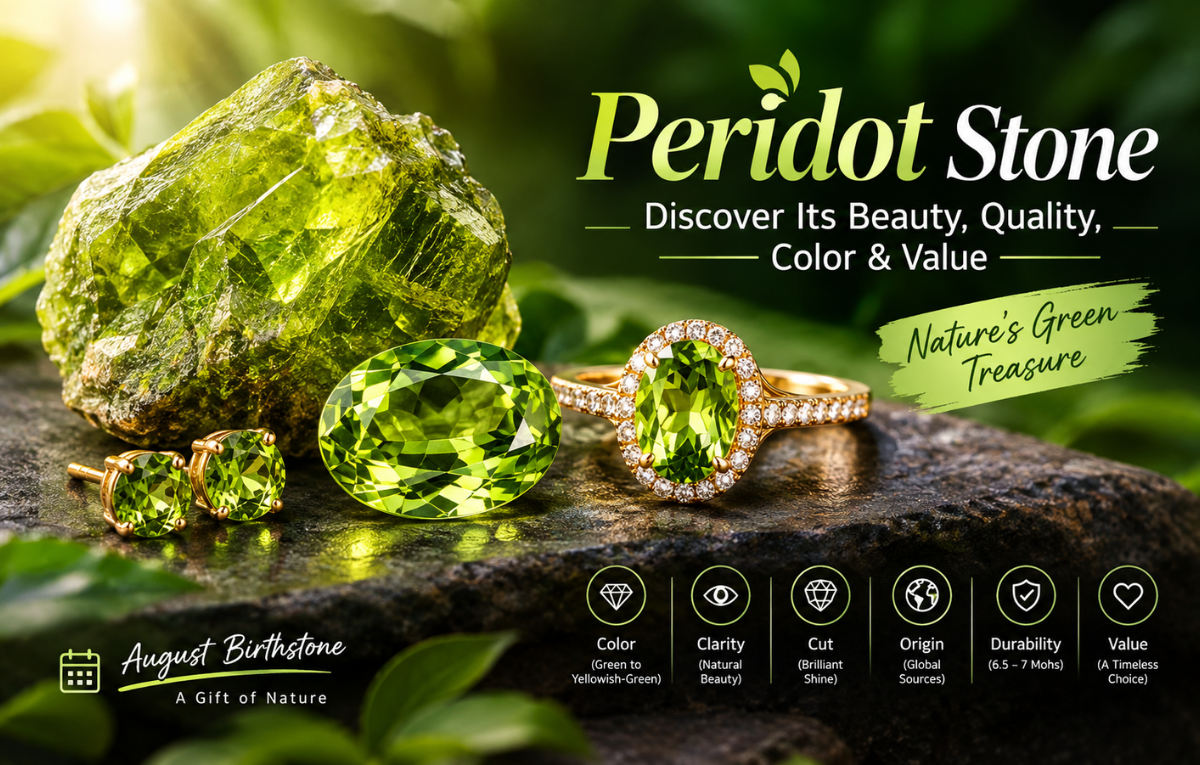
Peridot Jewelry
Peridot has a distinctive green color and is widely used in rings, earrings, pendants, and other jewelry.
It should be protected from harsh chemicals, scratches, and strong impacts. Gentle cleaning is preferable to aggressive methods.
Opal Jewelry
Opals require additional care because of their composition and sensitivity to environmental conditions.
Avoid extreme temperature changes and harsh cleaning methods.
Do not assume that an opal can be treated like sapphire or ruby.
How to Store Natural Gemstone Jewelry
Proper storage is just as important as cleaning.
Different gemstones can scratch one another when stored together, particularly if one stone is harder than another.
For best results:
- Store each jewelry piece separately
- Use a soft jewelry pouch or lined box
- Keep gemstones away from harder jewelry pieces
- Avoid storing jewelry loosely in a drawer
- Keep jewelry away from excessive heat and humidity
- Close clasps and chains to prevent tangling
Individual compartments are particularly useful for gemstone collections.
Protect Your Gemstone Jewelry From Scratches
Although some gemstones are very hard, hardness does not mean they are impossible to scratch or damage.
Avoid placing gemstone jewelry together without protection.
For example, loose gemstones should ideally be stored individually in soft gemstone boxes, pouches, or compartments.
When traveling, keep each valuable jewelry piece in its own protective container.
Remove Jewelry During Physical Activities
It is generally a good idea to remove gemstone jewelry before activities that could expose it to impact, chemicals, or excessive moisture.
Consider removing jewelry before:
- Exercising
- Swimming
- Gardening
- Cleaning
- Playing sports
- Doing heavy manual work
Swimming pools can contain chlorine and other chemicals that may affect jewelry materials and some gemstones.
Physical activities can also increase the risk of hitting, scratching, loosening, or accidentally losing a gemstone.
Take Jewelry Off Before Showering
Although occasional exposure to water may not cause immediate damage to many gemstones, shower products can leave residue on jewelry.
Soap, shampoo, conditioner, and other products can accumulate around gemstones and settings.
For this reason, removing gemstone jewelry before showering is a simple way to reduce unnecessary exposure.
Protect Gemstones From Extreme Heat
Do not expose gemstone jewelry to unnecessary heat.
Avoid placing jewelry near:
- Radiators
- Open flames
- High-temperature appliances
- Direct intense heat
- Extremely hot water
Sudden temperature changes can be particularly concerning for some gemstones.
Check Your Jewelry Settings Regularly
Cleaning is not the only part of gemstone jewelry maintenance.
The gemstone’s setting should also be inspected regularly.
Look for:
- Loose gemstones
- Damaged prongs
- Bent metal
- Loose clasps
- Cracks or chips
- Excessive wear
If a gemstone appears loose in its setting, stop wearing the jewelry until it has been inspected by a qualified jeweler.
A small setting problem can become a much more expensive repair if the gemstone falls out and is lost.
How to Clean Loose Gemstones
Loose gemstones require careful handling because there is no jewelry setting protecting them.
Place the stone on a soft surface when cleaning or inspecting it.
For gemstones that are suitable for gentle washing:
- Use lukewarm water.
- Add a small amount of mild soap.
- Clean gently with a soft cloth.
- Rinse carefully.
- Dry with a soft, lint-free cloth.
- Store the gemstone separately.
Never clean valuable loose gemstones directly over an open sink.
What You Should Never Do When Cleaning Gemstones
Avoid these common mistakes:
Don’t Use Abrasive Materials
Rough cloths, abrasive powders, and hard brushes can scratch some gemstones or metal surfaces.
Don’t Use Household Chemicals
Bleach, strong detergents, and solvents are unnecessary for routine gemstone cleaning.
Don’t Scrub Aggressively
Excessive pressure can damage delicate stones, settings, or surface treatments.
Don’t Assume Every Gemstone Is Ultrasonic-Safe
Ultrasonic cleaning is not appropriate for every gemstone.
Don’t Expose Unknown Treatments to Heat
If you don’t know whether a gemstone has been treated, avoid steam and excessive heat.
Don’t Store All Jewelry Together
Gemstones can scratch each other, and chains can become tangled or damaged.
How Gemstone Treatments Affect Cleaning
Some natural gemstones are treated to improve their color, clarity, durability, or overall appearance.
Treatments may include:
- Heat treatment
- Oil treatment
- Fracture filling
- Surface coatings
- Other enhancement processes
The appropriate care method depends partly on the treatment.
For example, an emerald that has been fracture-filled or oiled may require different care from an untreated gemstone.
When buying a valuable gemstone, ask the seller whether the stone has been treated and what care is recommended.
When Should You Seek Professional Gemstone Cleaning?
Professional cleaning is a good option when:
- The gemstone is particularly valuable
- You don’t know the stone’s treatment history
- The gemstone has visible fractures
- The jewelry setting is loose
- The piece is antique or delicate
- The gemstone has unusual optical characteristics
- You are unsure which cleaning method is safe
A professional can examine the gemstone and jewelry setting before selecting an appropriate cleaning method.
Natural Gemstone Jewelry Care Checklist
Use this simple checklist to keep your jewelry in good condition:
- Clean gemstones gently.
- Use mild soap when appropriate.
- Avoid harsh chemicals.
- Keep gemstones away from unnecessary heat.
- Remove jewelry before swimming and exercising.
- Avoid ultrasonic cleaners unless the gemstone is confirmed to be suitable.
- Store each jewelry piece separately.
- Check settings and clasps regularly.
- Keep valuable jewelry safely stored when not being worn.
- Ask a professional when you are unsure about a gemstone’s care requirements.
Frequently Asked Questions About Natural Gemstone Jewelry Care
What is the safest way to clean natural gemstone jewelry?
For many gemstones, gentle cleaning with lukewarm water, mild soap, and a soft cloth is a suitable starting point. However, the safest method depends on the specific gemstone and any treatments it may have received.
Can I clean gemstone jewelry with toothpaste?
It is best to avoid toothpaste. Many toothpastes contain mild abrasives that can scratch some gemstones or damage jewelry surfaces.
Can I use an ultrasonic cleaner on natural gemstones?
Not all natural gemstones are suitable for ultrasonic cleaning. Stones with fractures, significant inclusions, or certain treatments may be vulnerable to damage. Always confirm suitability first.
Can I wear gemstone jewelry in the shower?
It is generally better to remove gemstone jewelry before showering. Soap, shampoo, and other products can accumulate around the gemstone and setting.
Should I remove gemstone jewelry while swimming?
Yes. Removing jewelry before swimming is recommended because chlorine and other chemicals can affect some gemstones, treatments, and metal settings.
How should I store natural gemstone jewelry?
Store each piece separately in a soft pouch, jewelry box, or lined compartment. This helps prevent gemstones from scratching one another and protects the jewelry from unnecessary damage.
How often should I clean my gemstone jewelry?
Jewelry worn regularly can be gently cleaned whenever it becomes visibly dirty or accumulates oils and residue. Avoid excessive cleaning and aggressive methods.
Do all gemstones require the same care?
No. Different gemstones have different levels of hardness, durability, sensitivity, inclusions, and treatment characteristics. Always consider the specific gemstone before selecting a cleaning method.
Final Thoughts
Taking care of natural gemstone jewelry does not have to be complicated. The key is to use gentle cleaning methods, avoid harsh chemicals and unnecessary heat, store jewelry properly, and understand the specific characteristics of each gemstone.
When learning how to clean natural gemstone jewelry, remember that there is no universal cleaning method for every stone. Sapphire, ruby, emerald, aquamarine, garnet, peridot, opal, and other gemstones can have very different care requirements.
If you are unsure about a valuable or treated gemstone, professional advice is always preferable to experimenting with aggressive cleaning methods.
With proper care and regular inspection, your natural gemstone jewelry can maintain its beauty and remain a treasured part of your collection for many years.











 Cushion Cut Gemstones
 Emerald Cut Gemstones
 Oval Shape Gemstones
 Asscher Cut Gemstones
 Pear Shaped Gemstones
 Round Gemstones
 Heart Shape Gemstones
 Elongated Cushion Cut
 Marquise Gemstones
 Princess Cut Gemstones
 Blue Gemstones
 Green Gemstones
 Purple Gemstones
 Red Gemstones
 Yellow Gemstones
 Orange Gemstones
 Pink Gemstones
 Black Gemstones
 Brown Gemstones
 Gray Gemstones
 Multi Color Gemstones
 Bi Color Gemstones
 White Gemstones
 Colored Gemstones
 January Birthstones
 February Birthstones
 March Birthstones
 April Birthstones
 May Birthstones
 June Birthstones
 July Birthstones
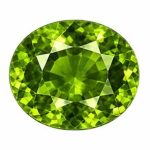 August Birthstones
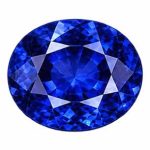 September Birthstones
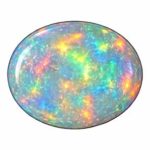 October Birthstones
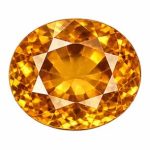 November Birthstones
 December Birthstones