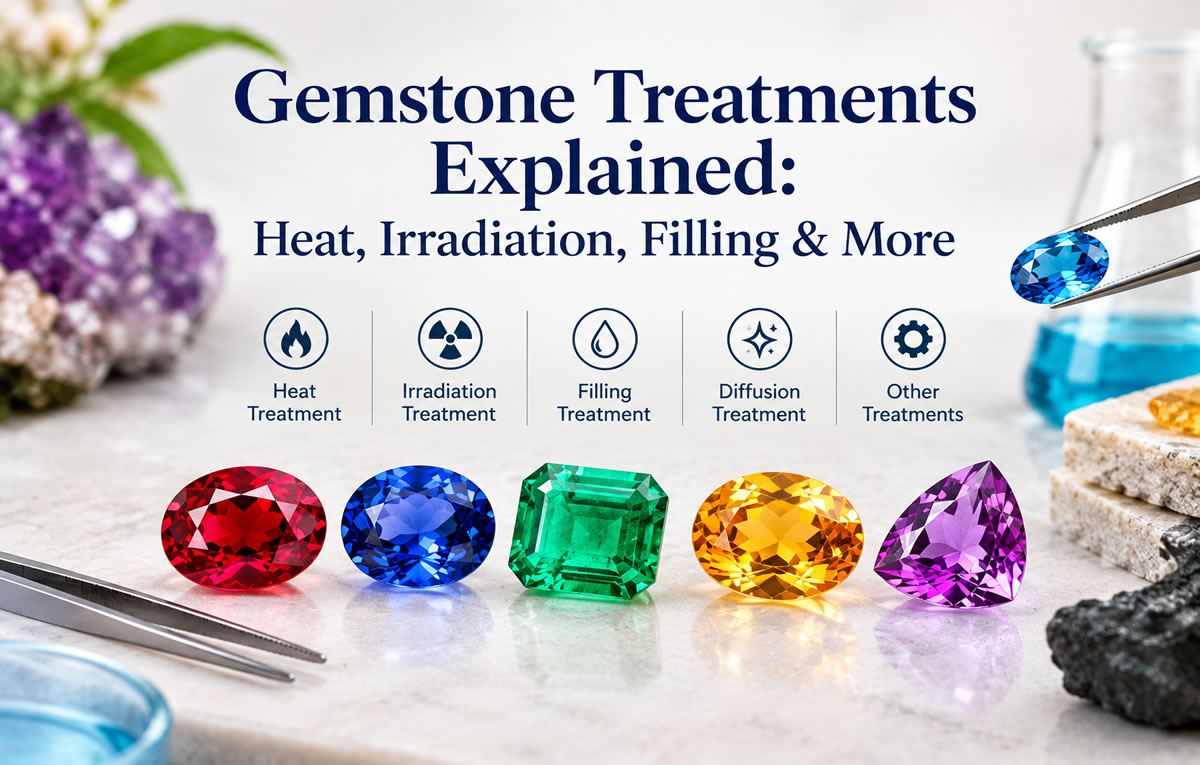
Gemstone Treatments Explained: Heat, Irradiation, Filling & More
Natural gemstones are admired for their beautiful colors, brilliance, rarity, and unique characteristics. However, many gemstones available in today’s market have undergone some type of treatment to improve their appearance or durability.
Gemstone treatments are processes used to alter or enhance characteristics such as color, clarity, transparency, or overall appearance. Some treatments are widely accepted within the gemstone industry, while others can significantly affect a stone’s value, durability, and care requirements.
Understanding gemstone treatments is important whether you are buying a loose gemstone, selecting a stone for jewelry, or building a gemstone collection.
A treated gemstone is not necessarily a bad gemstone. In fact, many treatments are common and accepted in the jewelry industry. The important thing is to know what treatment was performed, whether it has been disclosed, and how it affects the gemstone.
In this guide, we explain the most common gemstone treatments, including heat treatment, irradiation, filling, oiling, diffusion, and surface coatings.
What Are Gemstone Treatments?
Gemstone treatments are processes performed on natural or synthetic gemstones to improve or change their appearance or properties.
Depending on the gemstone, a treatment may be used to:
- Enhance color
- Improve clarity
- Reduce the visibility of fractures
- Increase apparent transparency
- Create or enhance certain colors
- Improve durability
- Improve overall appearance
Some treatments are permanent under normal conditions, while others may require special care.
When purchasing a gemstone, treatment information can be just as important as its color, clarity, cut, and carat weight.
Why Are Gemstones Treated?
Gemstones form naturally under complex geological conditions. Not every natural gemstone develops the intense color or high clarity that buyers desire.
Treatment can help improve gemstones that might otherwise have limited commercial appeal.
For example, heat treatment can enhance the color of certain sapphires, while oiling is commonly associated with emeralds.
Treatment allows the gemstone industry to make use of natural material that might otherwise be less desirable.
However, treatment can also influence a gemstone’s market value. Therefore, buyers should understand the difference between a natural untreated gemstone and a natural gemstone that has been treated.
Heat Treatment
Heat treatment is one of the most common gemstone treatments.
During this process, gemstones are exposed to controlled high temperatures, sometimes with other carefully controlled conditions, to improve or modify their color and appearance.
Heat treatment has been used for many years and is an accepted practice for various gemstones.
Which Gemstones Can Be Heat Treated?
Heat treatment is commonly associated with gemstones such as:
- Sapphire
- Ruby
- Tanzanite
- Aquamarine
- Tourmaline
- Citrine and quartz varieties
- Other colored gemstones
The results vary depending on the gemstone and the material being treated.
For some stones, heating can intensify color. For others, it can modify an existing color or improve overall appearance.
Heat-Treated Sapphire
Heat treatment is particularly well known in the sapphire market.
Heating can improve the color and appearance of certain sapphires. Blue sapphires, for example, may undergo heat treatment to enhance their blue color.
Heat-treated sapphires can still be natural gemstones. The important distinction is that the gemstone’s natural origin does not mean that it is untreated.
Therefore, a product description should clearly distinguish between:
Natural Untreated Sapphire
and
Natural Heat-Treated Sapphire
Heat-Treated Ruby
Ruby is another gemstone commonly associated with heat treatment.
Heating can improve color and sometimes alter the appearance of inclusions or other characteristics.
High-quality untreated rubies can be particularly rare, so treatment status can have a significant effect on market value.
Irradiation Treatment
Irradiation involves exposing a gemstone to controlled radiation to alter or enhance its color.
This treatment is used for certain gemstones and materials and can produce colors that may be difficult or impossible to achieve naturally in the same material.
After irradiation, some gemstones may also undergo additional processes, such as heating, depending on the treatment technique.
Which Gemstones Can Be Irradiated?
Irradiation has been used with various gemstones and gem materials, including certain:
- Quartz
- Topaz
- Diamonds
- Other colored gemstone materials
Treatment procedures and regulations can vary depending on the material and market.
For gemstones that have undergone irradiation, disclosure and proper identification are important.
Fracture Filling
Fracture filling involves introducing a substance into surface-reaching fractures or cavities to make them less visible and improve the gemstone’s apparent clarity.
This treatment is particularly important to understand when buying certain rubies and other gemstones.
The filling material can reduce the visibility of fractures and make the gemstone appear cleaner.
Why Is Fracture Filling Used?
A gemstone containing prominent fractures may appear less transparent or visually appealing.
Filling can reduce the contrast between the fracture and the surrounding gemstone, improving its apparent clarity.
However, filled gemstones can require special care.
Heat, chemicals, cleaning methods, and physical impact may affect some filling materials.
For this reason, buyers should always ask whether a gemstone has been fracture-filled.
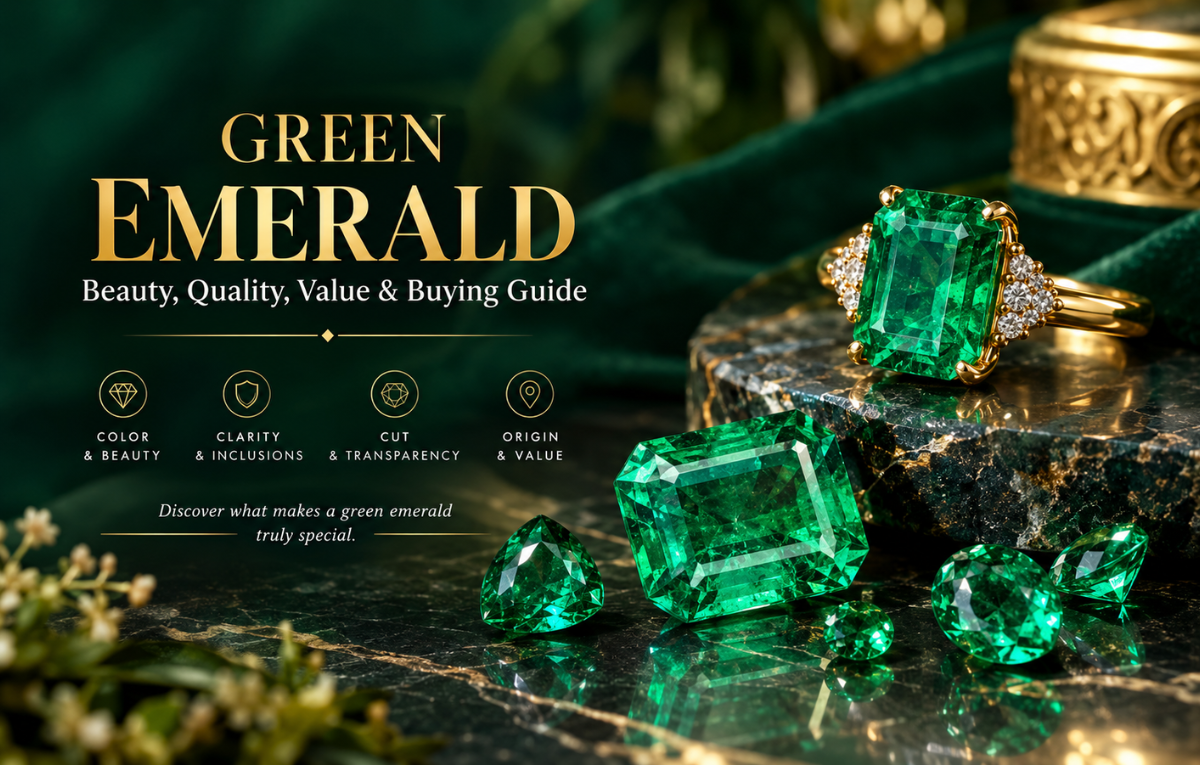
Emerald Oiling
Emeralds frequently contain natural inclusions and fractures. Because of this, oiling is a well-known treatment associated with emeralds.
A colorless oil or other filling material may be introduced into surface-reaching fractures to reduce their visibility.
The goal is generally to improve the apparent clarity of the emerald.
Why Are Emeralds Oiled?
Natural emeralds commonly contain internal characteristics. Some fractures may reach the surface and become noticeable.
Oiling can make these characteristics less obvious and improve the gemstone’s visual appearance.
Emerald treatment should therefore be considered when comparing stones.
Two emeralds with similar color and size can have different values depending on clarity, treatment, origin, and other quality factors.
Diffusion Treatment
Diffusion treatment involves introducing certain elements into a gemstone’s surface during a controlled heating process.
This can create or enhance color near the surface of the gemstone.
Diffusion is particularly associated with certain sapphires.
Surface Diffusion
In some diffusion processes, the coloring elements penetrate primarily into the outer portion of the gemstone.
Because the treatment may be concentrated near the surface, cutting, polishing, or damage can potentially affect the treated layer.
Buyers should therefore understand whether a sapphire or other gemstone has undergone diffusion treatment.
Beryllium Diffusion
Beryllium diffusion is a specific type of diffusion treatment that has been used to create or modify colors in certain corundum gemstones.
It can produce attractive colors, including yellow, orange, and other hues.
Because the treatment can significantly affect the gemstone’s appearance and market value, accurate disclosure is especially important.
Surface Coatings
Some gemstones may receive a surface coating to create or enhance color or optical effects.
A coating is applied to the surface rather than changing the gemstone throughout its entire structure.
Surface coatings can be vulnerable to:
- Scratching
- Chemicals
- Abrasion
- Improper cleaning
- Heat
Because of this, coated gemstones may require more careful handling.
When purchasing a gemstone with a surface coating, buyers should understand that the coating may not have the same durability as the gemstone itself.
Dyeing
Dyeing involves adding color to a gemstone or gem material using coloring substances.
This treatment is commonly encountered in certain porous or aggregate materials.
Dyeing can create attractive colors, but the resulting material should be properly disclosed so buyers know that the color has been enhanced.
Why Is Treatment Disclosure Important?
Treatment disclosure helps buyers make informed decisions.
A gemstone’s treatment status can influence:
- Price
- Rarity
- Durability
- Cleaning requirements
- Long-term care
- Collectibility
- Market desirability
For example, an untreated gemstone with exceptional natural color may command a premium compared with a similar-looking treated stone.
However, treated gemstones can still be beautiful and valuable.
The key is transparency.
Treated vs. Untreated Natural Gemstones
One of the most important distinctions for gemstone buyers is understanding that natural and untreated do not mean the same thing.
Natural Gemstone
A natural gemstone formed through geological processes rather than being manufactured in a laboratory.
Untreated Natural Gemstone
A natural gemstone that has not undergone an artificial treatment to alter its appearance or properties.
Treated Natural Gemstone
A natural gemstone that has undergone a treatment after being mined.
Therefore:
Natural ≠ Untreated
A gemstone can be completely natural in origin while also being heat treated, filled, oiled, irradiated, or otherwise enhanced.
Does Treatment Make a Gemstone Fake?
No.
Treatment does not automatically make a gemstone fake.
A natural sapphire that has been heat treated remains a natural sapphire, provided its identity and treatment are accurately represented.
Likewise, an oiled natural emerald remains a natural emerald.
The important issue is accurate disclosure.
A synthetic gemstone is different because it is laboratory-grown rather than naturally formed.
Therefore, buyers should distinguish among:
- Natural untreated
- Natural treated
- Synthetic or laboratory-grown
- Imitation
These categories should not be confused.
How Treatments Affect Gemstone Value
Treatment can have a significant effect on value, but the impact varies depending on the gemstone and treatment.
In general, exceptional untreated gemstones can be especially desirable because they combine natural color and quality without artificial enhancement.
However, many treated gemstones are widely available and can offer attractive appearance at a lower price.
When comparing two gemstones, consider:
- Natural or synthetic status
- Treatment type
- Color quality
- Clarity
- Cut
- Carat weight
- Origin
- Rarity
- Certification
- Durability
Never judge a gemstone’s value based solely on whether it has been treated.
How to Know If a Gemstone Has Been Treated
Treatment identification can sometimes be difficult to determine through visual inspection alone.
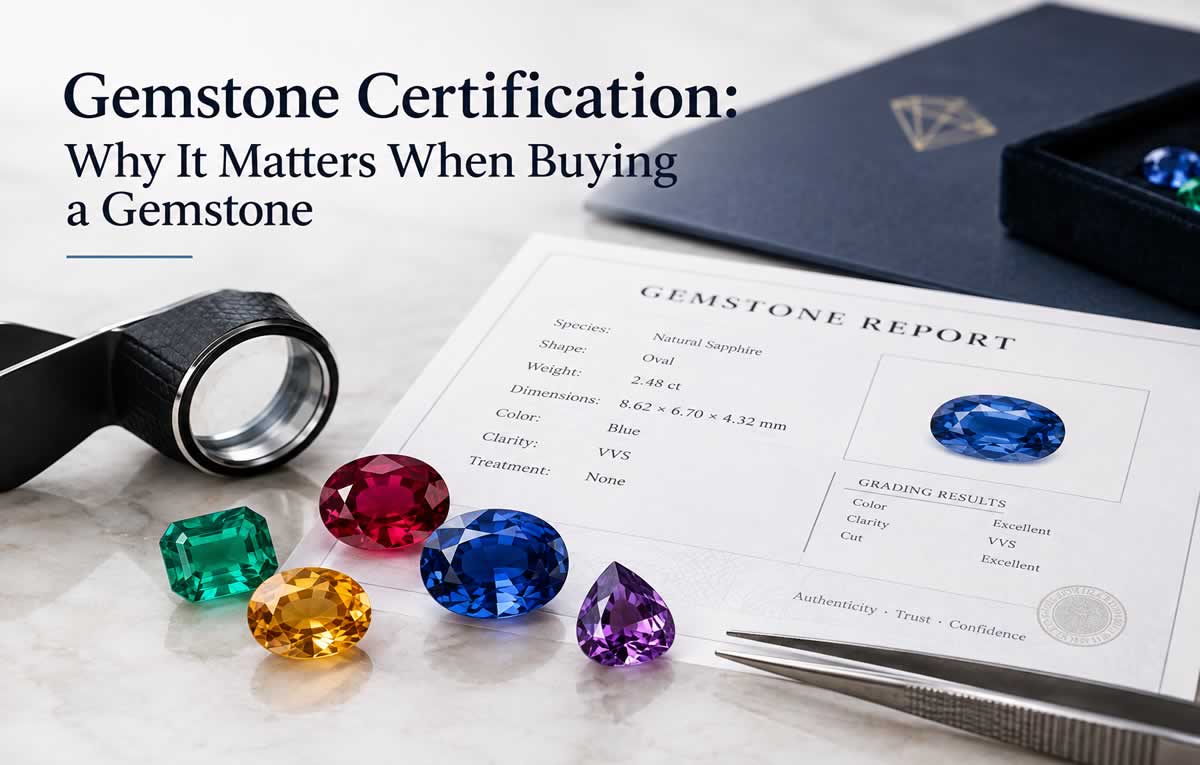
A professional gemological laboratory can use specialized equipment and testing methods to identify evidence of certain treatments.
A gemstone report may provide information about:
- Natural or synthetic status
- Gemstone variety
- Treatment
- Geographic origin, when determinable
- Weight
- Measurements
- Other identifying characteristics
For expensive gemstones, obtaining an independent laboratory report can provide additional confidence.
Why Gemstone Certification Matters
A gemstone certificate or laboratory report can be particularly useful when purchasing a high-value stone.
A reputable laboratory may be able to determine whether a gemstone is:
- Natural
- Synthetic
- Treated
- Potentially from a particular geographic origin
Not every laboratory report provides the same information, so buyers should understand what the report actually states.
For expensive gemstones, independent certification can help buyers compare stones more confidently.
How to Care for Treated Gemstones
The appropriate care method depends on the treatment.
Some treated gemstones can be more sensitive to:
- Heat
- Chemicals
- Steam
- Ultrasonic cleaning
- Abrasion
- Sudden temperature changes
If you know that your gemstone has been treated, follow care recommendations specific to that treatment.
When the treatment is unknown, avoid aggressive cleaning methods and seek advice from a qualified jeweler or gemologist.
Common Mistakes When Buying Treated Gemstones
Assuming Natural Means Untreated
A natural gemstone can still have undergone treatment.
Ignoring Treatment Disclosure
Always ask whether a gemstone has been treated and what treatment was used.
Assuming Treated Means Poor Quality
Treatment does not automatically mean poor quality. Many beautiful gemstones available in the market are treated.
Comparing Prices Without Comparing Treatments
Two visually similar gemstones may have very different prices because their treatment, origin, quality, or rarity differs.
Using Aggressive Cleaning Methods
Some treated gemstones can be damaged by heat, steam, ultrasonic cleaning, or chemicals.
Questions to Ask Before Buying a Treated Gemstone
Before purchasing a gemstone, consider asking:
- Is the gemstone natural or synthetic?
- Has it been treated?
- What type of treatment was used?
- Is the treatment permanent?
- Does the gemstone require special care?
- Is the treatment disclosed on the certificate?
- Has the gemstone been independently tested?
- Does the treatment affect its market value?
- What is the gemstone’s origin, if known?
- Is a laboratory report available?
These questions can help you understand exactly what you are purchasing.
Frequently Asked Questions About Gemstone Treatments
What are the most common gemstone treatments?
Some common treatments include heat treatment, irradiation, fracture filling, oiling, diffusion, surface coating, and dyeing. The treatment used depends on the gemstone and the desired result.
Is a heat-treated gemstone natural?
Yes. A gemstone can be natural in origin and still have undergone heat treatment. Treatment status and natural origin are separate characteristics.
Are untreated gemstones more valuable?
They can be, particularly when an untreated gemstone has exceptional color, clarity, size, and origin. However, value depends on many factors and varies significantly by gemstone.
Does heat treatment damage gemstones?
Properly performed heat treatment is an established practice for many gemstones. However, the effects depend on the gemstone material and treatment conditions.
What is gemstone filling?
Filling involves introducing a material into fractures or cavities to reduce their visibility and improve apparent clarity. Filled gemstones may require special care.
Why are emeralds oiled?
Emeralds commonly contain fractures and inclusions. Oiling can reduce the visibility of surface-reaching fractures and improve apparent clarity.
What is gemstone irradiation?
Irradiation is a treatment that uses controlled radiation to alter or enhance the color of certain gemstones or gem materials.
How can I tell if a gemstone has been treated?
Some treatments can be identified through careful examination, but others require specialized laboratory testing. For valuable gemstones, an independent gemological report is recommended.
Are treated gemstones worth buying?
Yes. Treated gemstones can offer excellent beauty and value. The important thing is to understand the treatment, its effect on care and value, and ensure that it has been properly disclosed.
Final Thoughts
Understanding gemstone treatments is essential when buying natural gemstones.
Treatments such as heat treatment, irradiation, fracture filling, oiling, diffusion, coatings, and dyeing can improve or alter a gemstone’s appearance. Some treatments are widely accepted in the jewelry industry, while others can have a greater effect on durability, care requirements, and value.
Most importantly, remember that natural does not automatically mean untreated. A natural gemstone may have undergone an enhancement after being mined.
When purchasing a valuable gemstone, look beyond color and size. Ask about the gemstone’s natural or synthetic status, treatment history, origin, certification, and recommended care.
An informed buyer can confidently choose between treated and untreated gemstones based on their budget, preferences, intended use, and collecting goals. The most important factor is honest and accurate disclosure, allowing you to understand exactly what you are buying.