Precious vs. Semi-Precious Gemstones: What’s the Difference?
If you’ve ever shopped for gemstones, you’ve likely encountered the terms precious gemstones and semi-precious gemstones. While these categories have been used in the jewelry industry for centuries, many buyers still wonder what they actually mean. Does “semi-precious” imply lower quality? Are precious gemstones always more valuable? And how should these classifications influence your buying decision?
The truth is that the distinction is more historical than scientific. Many so-called semi-precious gemstones can be rarer, more collectible, or even more valuable than some precious stones, depending on their quality and availability.
In this comprehensive guide by Imperial Gemstone, we’ll explain the history behind these classifications, compare precious and semi-precious gemstones, and help you understand what truly determines a gemstone’s value.
What Are Precious Gemstones?
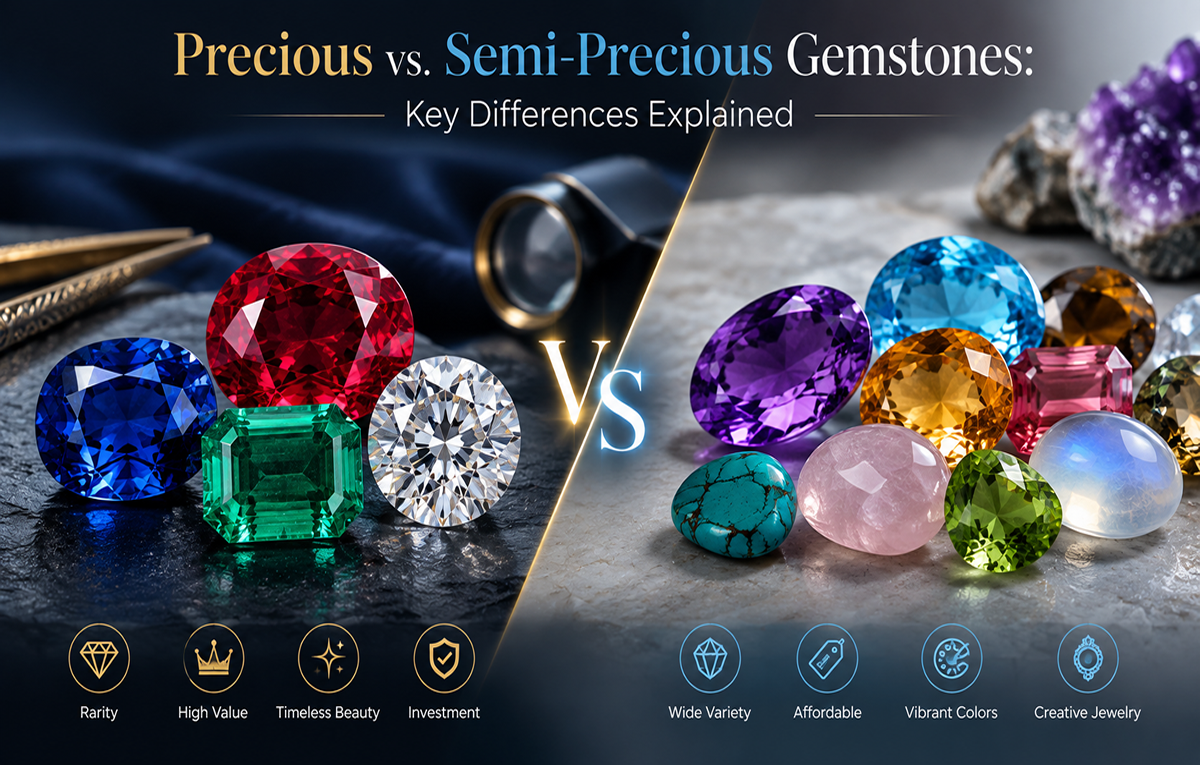
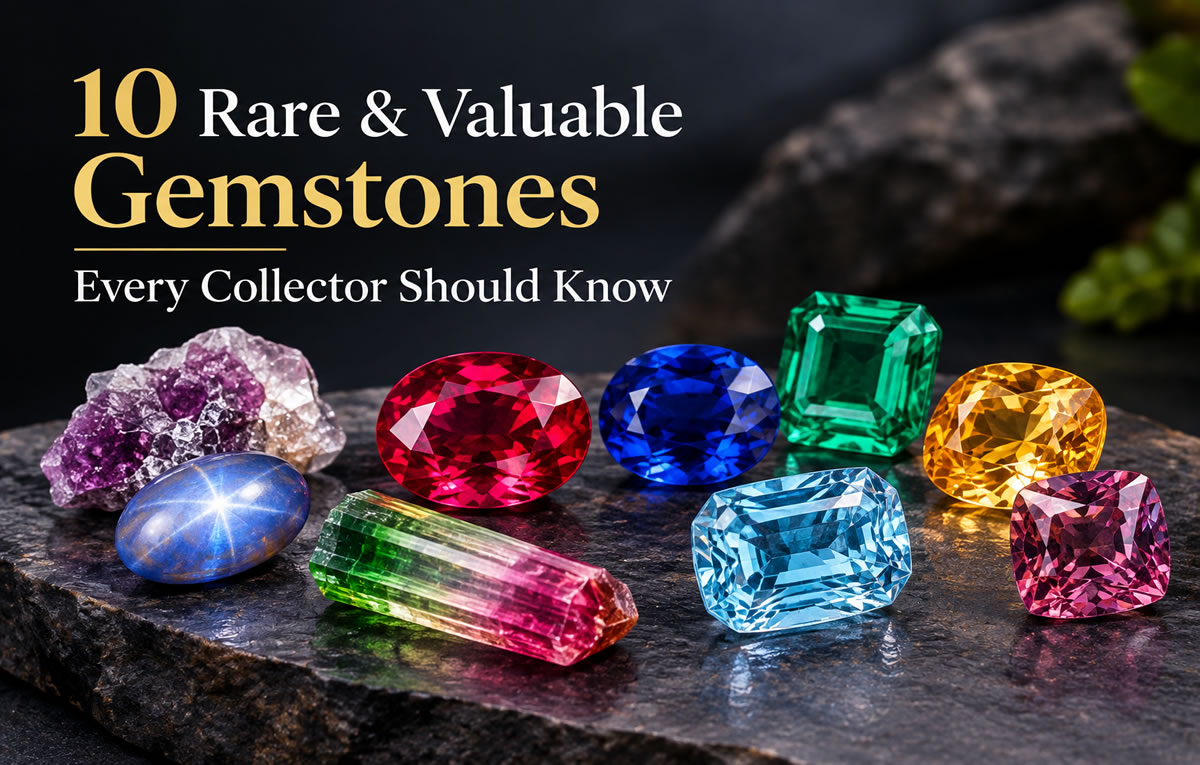
Traditionally, only four gemstones are classified as precious:
Diamond
Ruby
Sapphire
Emerald
These gemstones earned their status because of their rarity, durability, historical significance, and strong demand in royal jewelry and international trade.
For centuries, they were regarded as the most valuable gemstones available and became symbols of wealth, power, and prestige.
Even today, these four gemstones remain among the most sought-after in the world.
What Are Semi-Precious Gemstones?
Every other gemstone is traditionally categorized as semi-precious.
This includes hundreds of beautiful natural gemstones such as:
The term “semi-precious” does not mean these gemstones are less beautiful or lower in quality. It is simply a historical classification that groups gemstones outside the traditional “big four.”
The History Behind the Classification
The distinction between precious and semi-precious gemstones dates back centuries, when gemstones were valued primarily based on rarity, durability, and availability.
Sapphires were associated with wisdom and nobility.
As global trade expanded and more gemstone deposits were discovered, many stunning gemstones entered the market. However, the historical labels remained in use.
Today, modern gemologists increasingly focus on a gemstone’s individual quality rather than whether it is traditionally classified as precious or semi-precious.
Is the Term “Semi-Precious” Outdated?
Many gemological organizations and industry professionals consider the term semi-precious to be outdated because it can be misleading.
A high-quality paraiba tourmaline, tsavorite garnet, alexandrite, or imperial topaz may sell for significantly more than a lower-quality sapphire or emerald.
Modern buyers are encouraged to evaluate gemstones based on their actual characteristics rather than historical labels.
What Really Determines a Gemstone’s Value?
Instead of focusing solely on whether a gemstone is precious or semi-precious, professionals evaluate several key factors.
1. Color
Color is often the most important factor in determining value.
Experts evaluate:
Hue
Tone
Saturation
Evenness
A vivid, evenly distributed color usually commands higher prices.
2. Clarity
Clarity refers to the presence of internal inclusions or external blemishes.
Some gemstones, such as emeralds, commonly contain inclusions, while others, like aquamarine, are often found with higher clarity.
Higher clarity generally increases value, although acceptable inclusions vary by gemstone species.
3. Carat Weight
Larger gemstones are rarer, especially when they maintain excellent color and clarity.
For example:
A 5-carat sapphire is significantly rarer than a 1-carat sapphire.
A 10-carat aquamarine with exceptional clarity can be extremely valuable.
4. Cut
A gemstone’s cut affects:
Brilliance
Fire
Sparkle
Overall appearance
An expertly faceted gemstone reflects light more effectively and often commands higher prices.
5. Rarity
Some semi-precious gemstones are extraordinarily rare.
Examples include:
Paraiba Tourmaline
Alexandrite
Tsavorite Garnet
Imperial Topaz
These gemstones may exceed the value of many traditional precious stones.
6. Origin
Certain mining regions have earned international reputations for producing exceptional gemstones.
Examples include:
Kashmir Sapphire
Colombian Emerald
Burmese Ruby
Swat Emerald (Pakistan)
Katlang Imperial Topaz (Pakistan)
Origin can significantly influence market value.
7. Treatments
Untreated gemstones are generally more valuable than treated stones.
Common treatments include:
Heat treatment
Fracture filling
Irradiation
Dyeing
Reputable sellers should always disclose any treatments.
Comparing Precious and Semi-Precious Gemstones
Feature
Precious Gemstones
Semi-Precious Gemstones
Traditional Categories
Diamond, Ruby, Sapphire, Emerald
All other gemstone varieties
Historical Prestige
Very High
Varies by gemstone
Market Value
Often High
Can range from affordable to extremely valuable
Variety
Limited
Hundreds of gemstone species
Availability
Often limited
Some common, some exceptionally rare
Investment Potential
Strong
Strong for high-quality rare specimens
This comparison highlights that value depends on quality and rarity rather than the traditional category alone.
Popular Precious Gemstones
Diamond
Known for unmatched hardness, brilliance, and symbolism of eternal love.
Ruby
Prized for its rich red color and association with passion and vitality.
Sapphire
Best known for its blue variety but also available in many other colors.
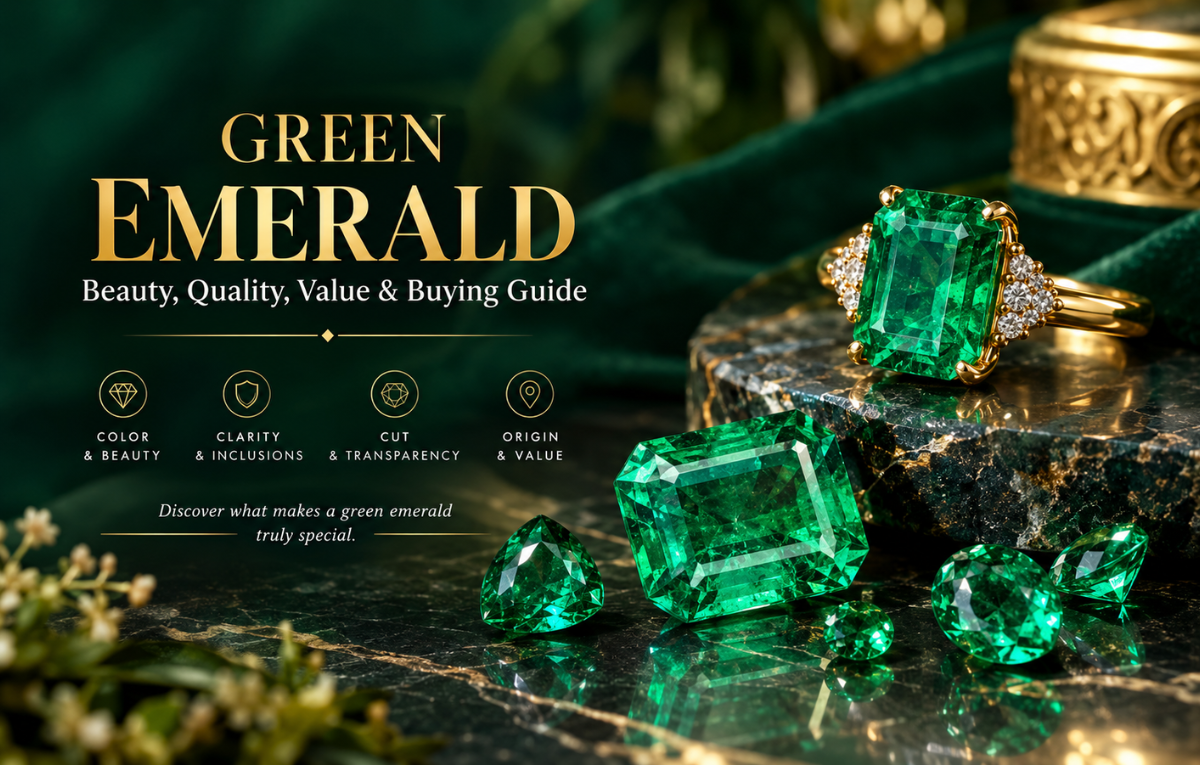
Emerald
Celebrated for its vibrant green color and historical significance.
Popular Semi-Precious Gemstones
Aquamarine
A serene blue gemstone admired for its clarity and elegance.
Tourmaline
Available in nearly every color, making it one of the most versatile gemstones.
Garnet
A diverse family of gemstones including Rhodolite, Tsavorite, Spessartite, and Almandine.
Topaz
Found in a variety of colors, including the highly prized Imperial Topaz.
Opal
Famous for its unique play-of-color and one-of-a-kind patterns.
Amethyst
A popular purple quartz associated with wisdom and tranquility.
Quartz
One of the most abundant yet versatile gemstone families, available in many attractive varieties.
Which Gemstones Are Better for Jewelry?
Both precious and semi-precious gemstones can make exceptional jewelry.
When selecting a gemstone, consider:
Hardness
Durability
Lifestyle
Budget
Preferred color
Intended use
For example:
Sapphire and ruby are excellent choices for everyday rings due to their durability.
Aquamarine and garnet are ideal for elegant pendants and earrings.
Opal and fluorite require more careful handling because they are softer.
Choosing the right gemstone depends on your needs rather than its traditional classification.
Investment Considerations
Certain gemstones have shown strong long-term demand due to rarity and collector interest.
Examples include:
Fine Ruby
Kashmir Sapphire
Colombian Emerald
Paraiba Tourmaline
Alexandrite
Imperial Topaz
Tsavorite Garnet
While investment potential varies, factors such as origin, color, clarity, treatment, and certification generally have a greater impact than the precious or semi-precious label.
Buying Tips
Before purchasing any gemstone:
Buy from reputable sellers.
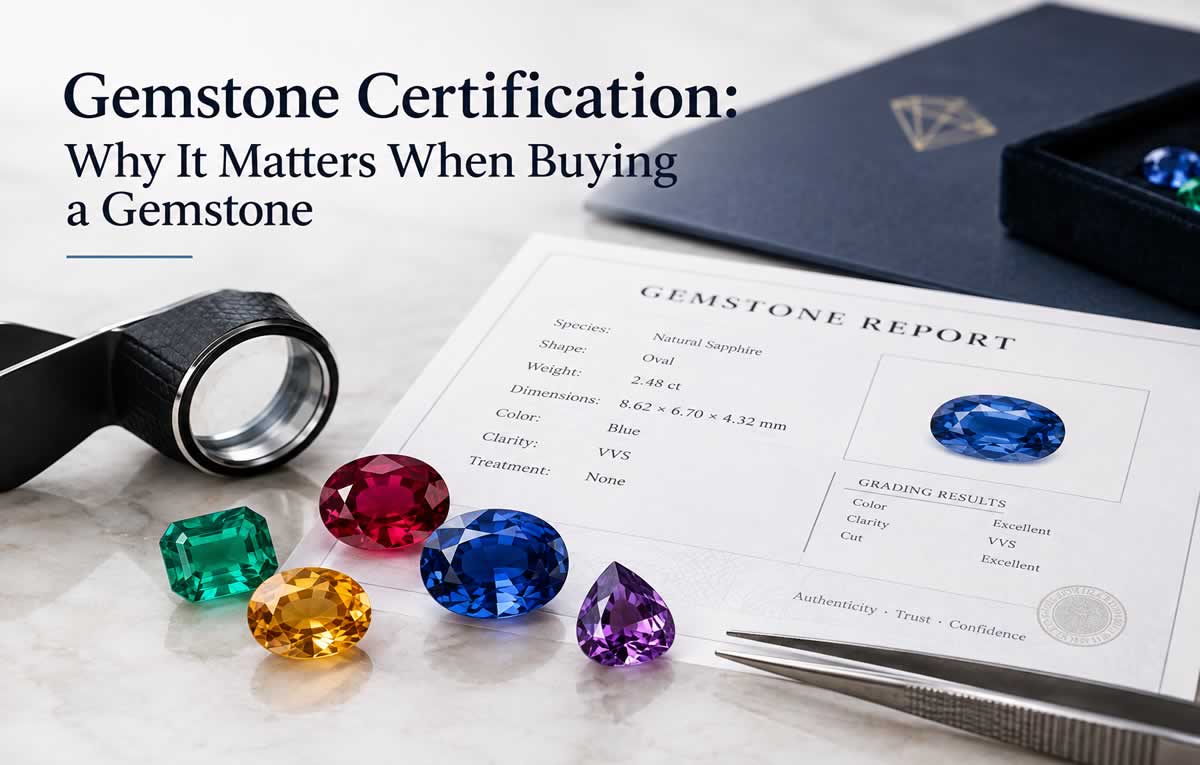
Request certification when available.
Ask about treatments.
Compare color and clarity.
Understand the gemstone’s origin.
Read detailed product descriptions.
Purchase based on quality rather than classification alone.
A well-informed buyer is more likely to select a gemstone that provides lasting enjoyment and value.
Why Choose Imperial Gemstone?
At Imperial Gemstone, we believe every natural gemstone deserves appreciation for its individual beauty and quality rather than simply its traditional classification.
We specialize in offering:
100% Natural Earth-Mined Gemstones
Carefully Selected Premium Quality Stones
Honest Treatment Disclosure
Competitive Pricing
Certified Gemstones Available on Select Products
Secure Worldwide Shipping
Professional Customer Support
Our collection includes both traditional precious gemstones and exceptional semi-precious gemstones sourced from trusted mining regions around the world.
Frequently Asked Questions
Which gemstones are considered precious?
Traditionally, only diamond, ruby, sapphire, and emerald are classified as precious gemstones.
Does “semi-precious” mean lower quality?
No. The term is historical and does not reflect a gemstone’s quality. Many semi-precious gemstones are exceptionally rare and valuable.
Can semi-precious gemstones be more expensive than precious gemstones?
Yes. High-quality paraiba tourmaline, alexandrite, tsavorite garnet, or imperial topaz can be more valuable than lower-quality precious gemstones.
What factors determine a gemstone’s value?
The main factors include color, clarity, cut, carat weight, rarity, origin, treatment, and overall demand.
Are precious gemstones always better for jewelry?
Not necessarily. Many semi-precious gemstones, such as garnet, tourmaline, and aquamarine, are durable enough for beautiful and long-lasting jewelry when chosen appropriately.
Should I buy a gemstone based on its classification?
It’s better to evaluate each gemstone individually based on its quality, authenticity, and suitability for your intended use rather than relying solely on the precious or semi-precious label.
Conclusion
The traditional distinction between precious and semi-precious gemstones has played an important role in the history of jewelry, but it no longer tells the whole story. Today, the true value of a gemstone is determined by its color, clarity, cut, carat weight, rarity, origin, and any treatments it has received—not simply by its historical classification.
Whether you are drawn to the timeless elegance of a sapphire, the vivid green of a tsavorite garnet, the serene beauty of an aquamarine, or the unique brilliance of an imperial topaz, every gemstone has its own story and appeal.
At Imperial Gemstone, we are dedicated to helping you discover authentic natural gemstones that combine exceptional quality, beauty, and value. Our carefully curated collection includes both precious and semi-precious gemstones, ensuring you can find the perfect stone for your jewelry, collection, or investment with complete confidence.