An opal stone is among the most intriguing gemstones that are available in the present. It is known for its stunning rainbow of colors, it offers a distinct look that makes every opal feel distinct. Contrary to other gemstones with the same dominant color, opal displays different colors like yellow, blue, and red. And many other spectral hues based on how light reacts with its inner crystal structure.
If you are a fan of gemstones who resides in America, the United States, opal is an excellent choice due to the fact that it is used for everything from beautiful necklaces and rings to loose gems. It’s also the standard gemstone for the month of October. This gives the stone a deeper meaning to people who celebrate an October birthday. GIA defines the opal as silica hydrated and states that the hardness of opal stone is generally between 5 and 6.5 on the Mohs scale.
What Makes Opal Stone So Unique?
One of the main characteristics that is recognized in an opal stone that is precious is the color play. It’s the changing show of colors which appears as the stone moves in the light.
The appearance is induced through the interplay of light with microscopically tiny silica particles inside the glass opal. The size and arrangement of the spheres affect the hues that are visible. The natural optical effect is the reason why high-quality opal stone have their dynamic and continually changing appearance.
Since natural opals form diverse patterns and forms, no two stones are alike. There are some that show large colors, but others may show small flecks or complex patterns over the area.
The individuality of this stone is the reason that collectors often compare and choose the finest opals as natural art.
Different Types of Opal Stone
Opals can be found in many kinds, and each features its own distinct visual appeal. They are usually due to the body’s color, transparency, play of color, and also the appearance of host materials that are natural.
Black Opal Stone
Black Opal has dark, dark-colored body colors that create strong contrasts with its vibrant color. Flashes of bright blue, red, or a variety of colors may look particularly vibrant against a dark background.
Black Opals are closely associated with Australia and particularly with the Lightning Ridge area. But the origin of an opal alone will make a difference in the quality or worth. GIA stresses that the grade of a particular opal is contingent upon the quality of its characteristics, such as transparency, color, pattern, as well as play-of-color.
White Opal
Light or white opal stone has a gray, white, or other lighter body color. If it is combined with attractive color play, this can give a subtle but vibrant appearance.
It is usually suitable for jewellery because its lighter body color is able to complement various types of metals and designs.
Fire Opal
The fire opal gemstone is primarily known for its warm body color and can be found in orange and yellow to red. It’s often linked to Mexico.
Contrary to the precious opal, fire opal isn’t required to have to show a vivid play of colors for it to look attractive. The vibrant color of the body can be the most prominent characteristic of the stone.
Boulder Opal
Boulder opal stone is a natural host rock, also often referred to as matrix, part of the stone. A combination of opal’s colors as well as darker natural rocks can produce highly unique designs.
The type of jewelry is a favorite among those who love the natural beauty and distinctive forms of gemstones.
Crystal Opal
Crystal opal is translucent to semitransparent. It can exhibit color play in a crystal clear body. It can give a unique dimension that allows the colors to seem to flow across the stone.
How Is Opal Stone Valued?
There’s not a single attribute that determines the worth of each gemstone. However, many aspects need to be taken into consideration.
GIA is a recognized authority on the color, pattern, as well as clarity as essential factors in the quality of an opal stone, and the intensity and play of color are especially important.
Play-of-Color
The vibrant and strong play of colors is among the best features of the precious Opal. The brightness, variety of hues, and the amount throughout the stone can affect the way that the stone looks.
A few opal stone exhibit one dominant colour, while some have a variety of shades. The traditional view is that red is especially attractive when it is prominent, but personal preference has a significant impact.
Pattern
Pattern is the term used to describe the pattern of colors that is arranged across the stone’s surface. The terms flame, harlequin, pinfire, and peacock are some words that refer to different designs of opal.
An attractive and distinct design can make a gem very desirable to enthusiasts.
Body Color and Clarity
The background color will affect the degree to which the colors play out. For instance, a dark-colored body, as an example, can offer a striking contrast, whereas an edgy body could create an appearance that is more subtle.
Clarity is the measure of transparency and inclusions in the gem. Opals of different types can naturally exhibit different clarity properties therefore, they must be assessed based on their various characteristics.
Choosing an Opal Stone for Jewelry
The best opal for you depends on the way you plan to display or wear it.
If you are looking for an engagement or statement ring, an opal that is well-guarded with a vibrant color could make a stunning centerpiece. Pendants are able to accommodate bigger stones, allowing an increased amount of the natural design to be visible. Earrings may feature stones that match or other pieces that complement each other.
Since opal is softer than other popular gemstones for jewelry, the design of the setting is crucial. GIA states that opal is prone to chips and scratches and recommends setting it in a protective manner for rings that could suffer major wear.
When buying jewelry for everyday use, consumers need to consider the quality of the gemstone as well as the kind of life it’ll be exposed to.
Natural Opal Vs. Treated or Laboratory-Grown Opal
When you are buying opal stones, it is essential to be aware of what you’re buying.
Natural opal occurs by natural geological processes. Synthetic or laboratory-grown opal can be made by humans and is able to replicate some of the characteristics found in natural stone. Opals may also undergo treatments which alter their appearance, or enhance certain characteristics.
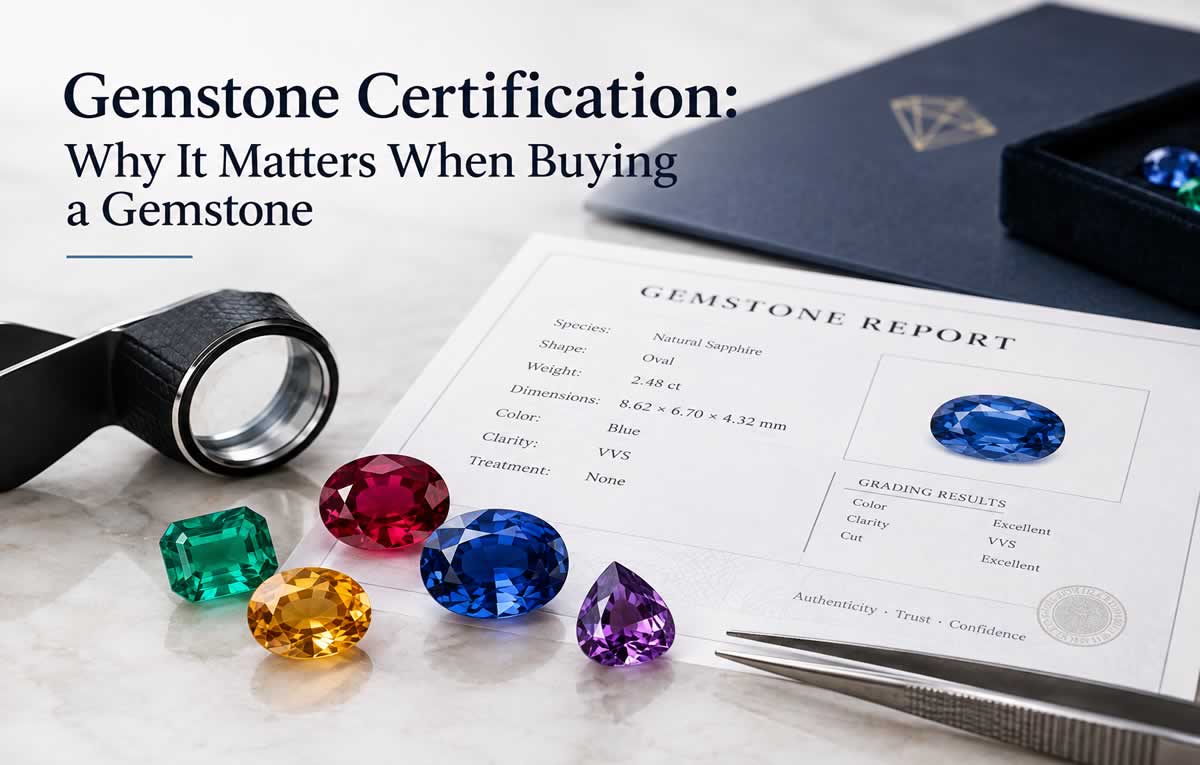
GIA reports will determine if the gemstone is either lab-grown or natural, and identify the possible methods. When purchasing a substantial amount, an independent document on gemology can offer additional proof of the genuineness of the gem.
When buying on the internet from the United States, buyers should seek out clear descriptions of the product with clear and accurate information regarding the source, the treatment process, as well as whether the gem is genuine.
How to Care for an Opal Stone
Opal requires careful handling since it’s not as durable as sapphires or diamonds and a variety of other popular stones.
GIA advises gentle cleansing with warm soapy water. They also recommend avoiding excessive heat, extreme dryness, or light aggressive cleaning techniques.
If you have an opal ring, take it off the ring prior to any activities that might expose it to damage or scratching. In the case of jewelry with opal stones, keeping it in a soft bag or an enclosed jewelry box will help keep the surface safe from the impact of harder stones.
If properly cared for, the opal will remain a stunning part of a jewelry collection for years.
Is Opal A Good October Birthstone?
Yes. Opal is among the most well-known birthstones of October. This makes it an ideal gift for those born in October.
The variety of shades is also a great way to pick a stone that is suited to the person’s individual style. Someone who likes striking jewelry may prefer the dark color of opals with strong flashes. However, people who are more comfortable with subtle designs might prefer a lighter or white opal.
Where to Buy Opal Stone in the United States
If you are buying an opal gemstone, the reputation of the seller as well as details about the stone are just as important as the look of the stone.
Find detailed photos with accurate measurements, a clear description of the information on the type of gemstone, disclosure about treatment, and a clear return policy. When buying rare or expensive stones, take into consideration obtaining an independent report on gemology.
Imperial Gemstone is the ultimate destination for buyers who are able to explore natural gems and other jewelry options. Finding a professional with crystal clear information about gemstones could make buying much easier, particularly for customers new to the world of Opals.
Frequently Asked Questions About Opal Stone
What is an opal gemstone?
Opal stones are natural silica hydrated gemstones that are known for their distinctive design and, when it is in the form of a precious opal stone, for their vibrant play of color. It is available in a variety of types, like black and white opals, as well as fire opal and crystal.
Are opals the best stone for jewelry that you wear every day?
Opal is a popular choice for jewellery, however, it needs greater care than gemstones with a harder structure. Opal’s hardness ranges from 5 to 6.5 according to the Mohs scale. Therefore, protective settings as well as careful handling are suggested, particularly for rings.
What makes a stone of opal worth its weight?
The play-of-color factor is among the primary quality indicators. Color range, brightness, pattern clarity, cut, and overall design are all factors that influence the value and worth of an Opal.
What kind of opal type will be the most effective?
There’s no one best style for every person. Opal is a popular color due to its striking contrast. White is a light-colored opal, and fire opal is renowned for its warm color palette, while boulder opal offers unique natural designs. It is dependent on the style you prefer, your desired use, and your budget.
How do I take care to clean a stone made of opal?
Make use of warm soapy water with a gentle approach to routine cleaning. Avoid using harsh chemical cleaners, ultrasonic cleaners, high temperatures, steam cleansing, and sudden changes in the environment. GIA especially recommends using warm soapy water as a clean and safe technique for the opal.
Final Thoughts
An opal stone is much more than just an attractive stone. The changing colors, natural patterns, and the variety of varieties give each item distinct character. If you’re looking for a birthstone in October as a statement piece or an antique stone, opal has an aesthetic that is impossible to replicate.
If you are a buyer in the United States, the most crucial step is to know the characteristics that make an opal attractive before making a purchase. Be aware of color play, patterns, brightness, the body’s color, cut clarity, and information on treatment. Opal is more demanding than hard gemstones, deciding on the appropriate jewelry setting as well as following the correct maintenance and cleaning practices, is equally crucial.