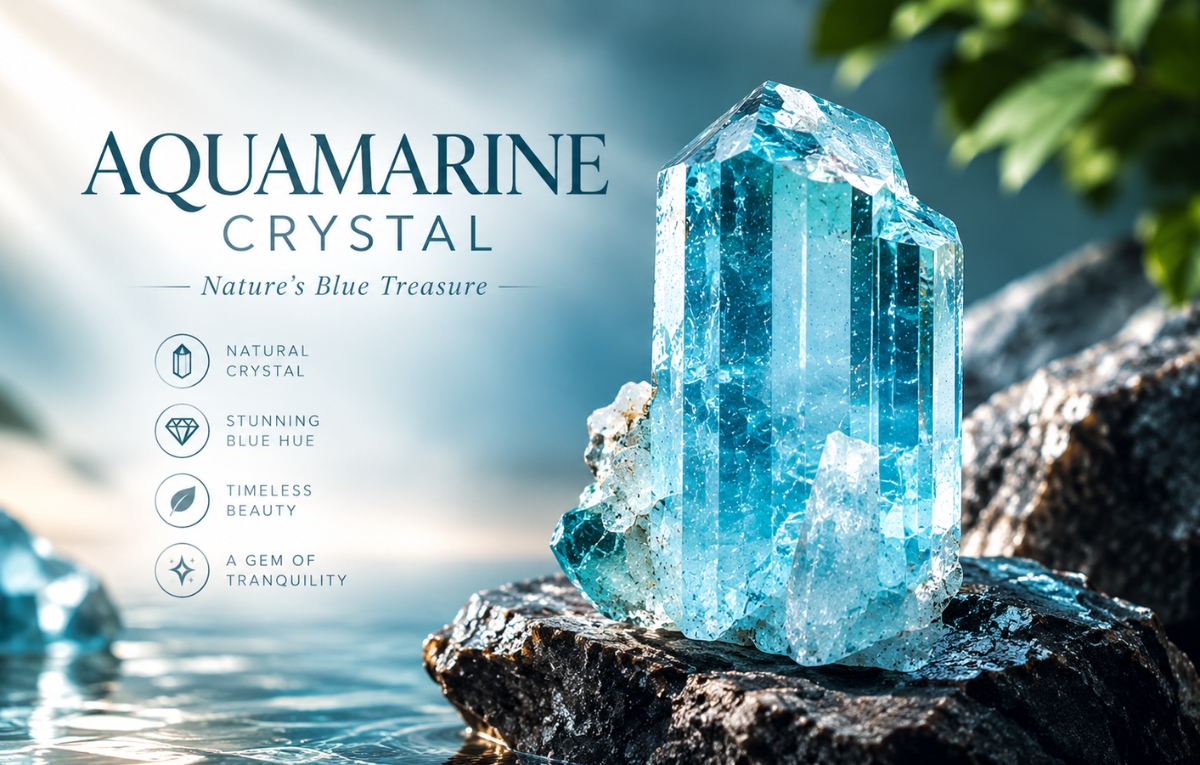
An Aquamarine Crystal is prized for its stunning blue-to-green color, its natural transparency, as well as its distinctive crystal structure. A beryl variety, aquamarine crystal is part of the same family of minerals as the emerald mineral, its distinctive hue is connected to iron in the crystal.
For jewelry and gemstone buyers from the United States, aquamarine crystal offers an array of natural beauty that is durable and long-lasting. When displayed as a pure crystal or cut into a gem with a cool, ocean-inspired hue, it is an extremely well-known blue gem.
What Makes Aquamarine Crystal Unique?
Aquamarine Crystal naturally grow as hexagonal crystals and are often elongated, 6-sided crystals. A few specimens grow extremely big, making these crystals a great choice for mineral collectors.
The shade can range from light blue to greenish blue through stronger blue hues. According to GIA, the most popular shade is moderately powerful dark blue, which can be a little greenish blue. This is especially true in the case of a consistent color all over the stone.
This is a natural variance, which means that each crystal has distinct visual characteristics.
Aquamarine Crystal vs. Cut Aquamarine
The natural crystal of aquamarine preserves the initial structure that was created in the formation process. Crystals are often sought-after by collectors due to their form, clarity, appearance, surface properties, and natural beauty.
Shaped and polished in order to increase the beauty of the stone. Emerald, oval, and round cuts are the most commonly utilized, however, aquamarine crystal can be cut into a variety of designs. Cutting with precision can enhance the flow of light through the stone. It can also help highlight its colour and clarity.
The selection between natural crystal or cut stone is contingent on the value that buyers place on gemstone quality or appearance.
Color and Clarity Matter
The color is among the main factors to consider when looking at aquamarine. While light blue stones are appealing, a more vibrant blue hue tends to be more appealing when it comes to high-end materials. GIA states that high-quality aquamarine crystal can be seen as transparent and is free of obvious inclusions.
It is especially important to have clarity since aquamarine crystal is typically found with high clarity. The stones that are clear and clean have a lot of appeal, and included crystals can be appealing to collectors looking for an authentic look to their specimens.
The mixture of clarity, color dimensions, and the quality of cut can greatly affect the look and worth of the aquamarine crystal.
Where Does Aquamarine Come From?
Aquamarine can be found in a variety of areas around the world. Brazil is one of the major sources, as are other well-known sources. are Afghanistan, Madagascar, Mozambique, Myanmar, China, Kenya, Ukraine, and the United States.
Pakistan is also known for its aquamarine crystal deposits found in the high-elevation Karakoram Mountains. GIA particularly mentions the mining of aquamarine crystal at elevations that reach about 15,000 feet in the area.
The place of origin is interesting for collectors, however, gemstone worthiness should not be evaluated solely by the location. Clarity, color, cut dimensions, and overall condition remain crucial considerations.
Aquamarine as a March Birthstone
Aquamarine is the most popular birthstone for the month of March. It is additionally connected to the 19th anniversary of marriage. Its blue color and association with water are the main reasons to its longevity in popularity.
It makes it an ideal gift for those born in March, or for couples that are celebrating their 19th wedding anniversary.
Is Aquamarine Durable?
Aquamarine has a Mohs hardness of around 7.5 to 8. This gives its jewelry long-lasting durability. It’s able to stand up to normal wear however, it must be secured from brutal impact and scratches.
The durability of aquamarine makes it suitable to be used in pendants, rings, as well as earrings and jewelry items. Natural crystals being collected as specimens for collection should be handled with care, as the sharp edges and exposed surface can cause damage due to impact.
How to Care for Aquamarine
A simple care routine can maintain the appeal of the aquamarine crystal gemstone. Warm soapy water can be considered an appropriate cleaning technique for aquamarine.
Do not expose the stone to high temperatures. If you are storing jewelry made of aquamarine crystal, keeping it separate from other gems will reduce the chance of scratching.
Professional examination and cleaning may aid in identifying the loose setting or other issues prior to them becoming dangerous.
Choosing Aquamarine Crystal in the USA
If you are considering purchasing an aquamarine crystal in the United States, consider whether you’re looking for an original example, a polished crystal, or a diamond-cut stone.
Collector pieces should be examined for the shape of the crystal, clarity, transparency, surface conditions, as well as the color and overall appearance. In the case of jewelry, concentrate on the color, clarity, and cut. Also, consider the carat weight, as well as the craftsmanship.
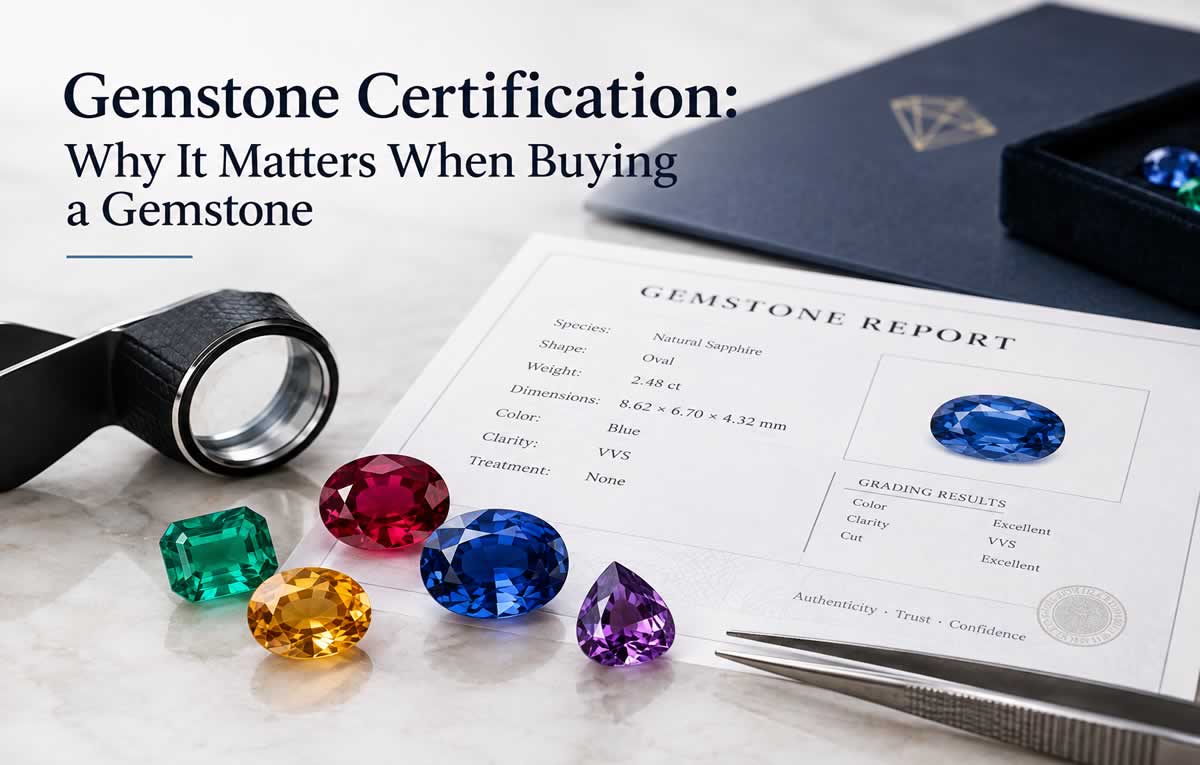
Buyers need to inquire whether the gemstone has been subjected to any treatment. Heating is often utilized to increase the hue of aquamarine crystal, and any treatment details must be disclosed clearly in the event of a need.
Frequently Asked Questions
What exactly is an aquamarine crystal?
Aquamarine crystal is a blue-to-green beryl that is blue-green. It is a natural crystal it usually develops into the shape of a prismatic crystal with six sides.
Does aquamarine make a great gemstone to be used in jewellery?
Yes. With the Mohs hardness range of 7.5 to 8, aquamarine crystal is regarded as durable enough for a variety of jewellery when treated with good care.
What is the ideal color of aquamarine?
The blue to a little greenish-blue is the typical color spectrum. More intense, saturated blues are generally preferable for high-end aquamarine crystal.
Does aquamarine belong to the same mineral as Emerald?
Both are different varieties of beryl. Aquamarine crystal usually ranges from blue-greenish, while emerald can be described as the green version of beryl.
How can aquamarine be cleansed?
Warm soapy water is an effective solution for cleaning. Do not overheat, and be sure to follow expert advice for the care of valuable stones or have them properly treated.
Final Thoughts
An aquamarine crystal that blends the natural beauty of geology along with characteristics that make it popular for jewellery. The ocean-like hue, the excellent clarity, unique crystal shapes, as well as its durability make it popular with gem lovers and collectors.
You may be searching for a specimen of natural aquamarine for your collection or a beautiful cut-and-sharp aquamarine crystal that you can use for jewelry, the consideration of quality, clarity, color, size, and condition will allow you to make better choices.