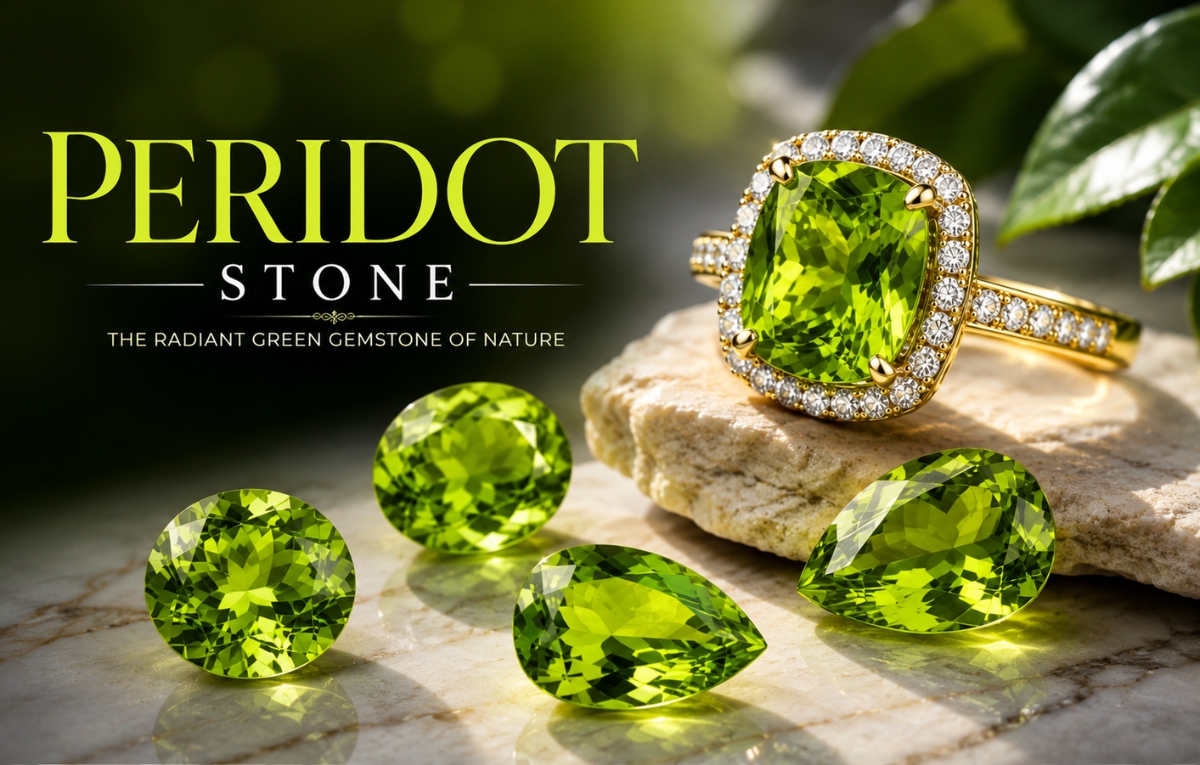
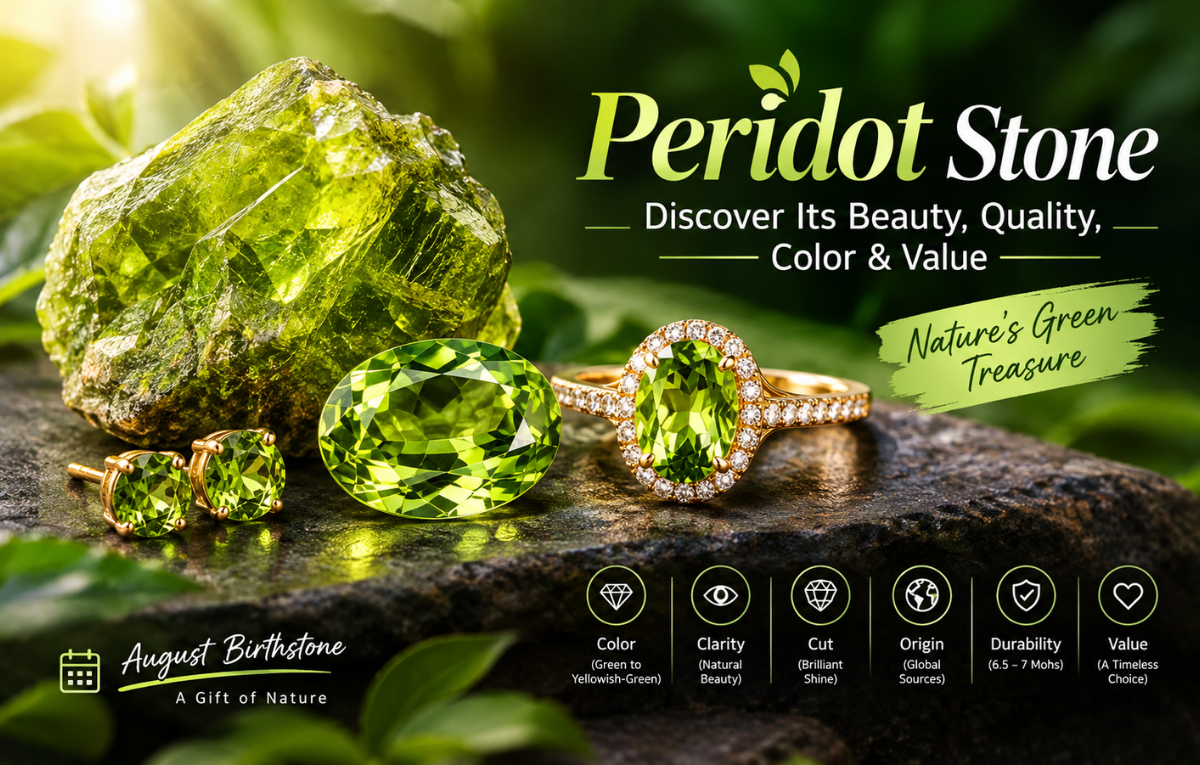
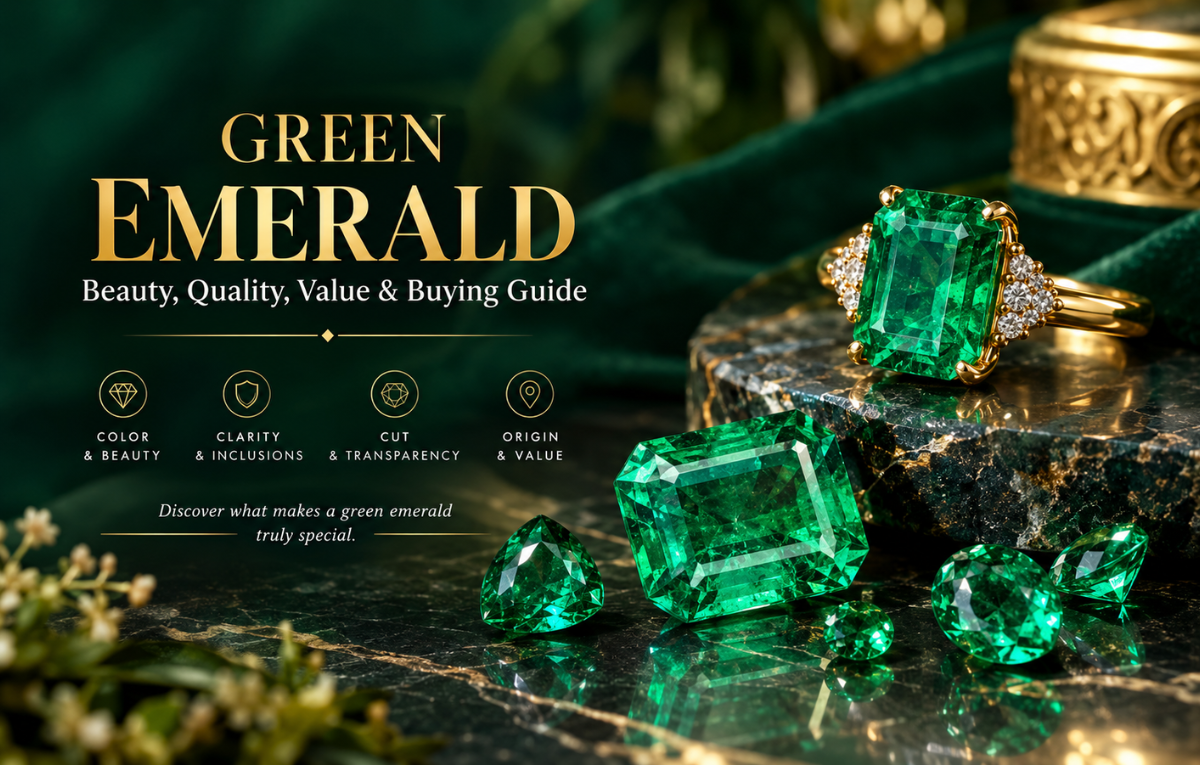
The Peridot stone is a natural green gem that has been praised for its bright colour, natural brilliance, as well as its fascinating history in geology. Contrary to many other colored stones that are available in a variety of shades, peridot stone is connected to shades of green that range from a yellowish-green to more vibrant grass green. The distinctive hue has made it an ideal option for earrings, rings, and necklaces as well as pendants, necklaces, bracelets, and loose collections of gemstones.
If you are a jewelry buyer who resides in America, the United States, peridot stone offers an attractive combination of elegance and uniqueness. It’s also the birthstone for the month of August. This makes it an appropriate choice for birthday celebrations as well as personalized jewelry. In addition to its current popularity, the history of peridot stone goes back hundreds of years. It can be found in unique geological settings, such as meteorites.
The Natural Beauty Behind Peridot
One of the fascinating features of peridot is that the green hue is a natural element of the mineral, and not the result of an extra color treatment. Peridot stone is the gem type of olivine. It is characterized by its distinctive yellow-green hue that is influenced by iron inside the chemical structure.
The most beautiful stones can show the most vibrant, vivid green, with only a hint of yellow or brown. The smaller commercial stones could have lighter greenish or olive shades, whereas exceptional stones may display a greater strength and a more stunning green hue.
Since the stone has an easily identifiable colour, a stunning peridot stone will require an intricate colour combination to draw attention. The clean, green color will stand out when it is paired with gold, platinum, white gold, or any other similar metals.
Peridot Through History
Peridot has been sought after throughout the ages. It was a popular choice for jewelry in the past. Egyptians were awestruck by the gem and described it as the gem of the sun. The historical sources link early mining of peridot stone with Zabargad Island in the Red Sea, which was a major source of the gem from the beginning of time.
It also has an unorthodox connection with space. Certain peridot stone crystals are found in meteorites made of pallasite, which are remnants of the solar system’s early days. The extraterrestrial link adds an interesting aspect to a gem recognized for its distinct geological roots.
Nowadays, peridot is valued for its use as a gemstone in jewelry and also as a collector’s natural substance.
Understanding the Green Shades of Peridot
If you are looking for the perfect peridot stone to purchase, colour should be one of the most important aspects to consider.
The ideal color tends to be a highly intense green that is not characterized by obvious brown-colored modifiers. Peridot stone is a natural color that can be found in hues of yellowish green and greenish yellow, and therefore, individual preference is crucial. GIA says that the most desirable shade is usually pure grass green in contrast, less expensive materials can show more brownish hues.
The buyer must be careful not to select a stone solely on its dimensions. A stone with a smaller size that has attractive vibrancy and color could be more attractive in comparison to a bigger stone that has an overly dark or weak color.
Where Does Peridot Come From?
Peridot can be found in a variety of places around the globe. Its origins are diverse, but some are now well-known by those who love gemstones.
Myanmar as well as Pakistan are well-known sources of excellent quality peridot stone. Arizona in America and China are also recognized as sources. United States and China are also producers of the material that is used in the gem market. Pakistan is a notable source for its large and intensely colored peridot stones in mountainous areas.
For those who collect, the origin of a stone is a great way to draw attention to the value of a gem. However, it shouldn’t be taken as a guarantee of high-quality. The specific stone’s color, clarity, as well as its cut, size, and overall appearance are all essential when looking at a peridot stone.
What Should You Look for in a Quality Peridot?
The process of buying a gem is much simpler when you are aware of the factors that affect the appearance of the stone.
Color Comes First
The color is among the main factors to consider when looking at the peridot stone. An intense, clear green appearance is more attractive than a dull or brownish green appearance. The larger stones may show a stunning amount of intensity.
In the case of comparing multiple gemstones, looking them up and down could make the differences in intensity and color easy to identify.
Clarity Adds to Its Appeal
Fine peridot stone are typically transparent to the unaided observer. Some stones contain tiny crystal inclusions, or disk-shaped, reflective inclusions that are often known as “lily pads.” These constitute a characteristic of gemstones.
But any inclusions easy to see without magnifying can alter the look and hinder the desire for it, especially when they affect the transparency.
A Good Cut Brings the Stone to Life
- Cut can have a huge impact on the appearance of a peridot when placed into jewellery.
- Peridot stone is able to be cut into a variety of shapes, including round, oval, pear, cushion, marquise, and emerald, as well as various cuts.
- The right cut is able to aid in letting the stone reflect the light in a uniform manner and help enhance its natural green hue to seem more vibrant.
- This is why buyers must consider the grade of the cut before picking a stone solely because it’s a larger carat weight.
Peridot Stone for Jewelry
Peridot stone versatility is what makes it suitable for many kinds of jewelry. An attractive green center stone is a great design ring. Smaller stones are suitable as pendants, earrings, bracelets, and other designs.
On August birthdays, a peridot ring or necklace could provide an intimate bond through the birthstone’s relationship. This can be an excellent gift to someone who appreciates new, bright jewelry over traditional, dull stones.
Yellow gold can highlight the warmth of yellowish-green peridot stone, and white metals provide a more striking contrast to larger, more vibrant green stones.
Why Peridot Can Be An Excellent Choice For A Collection
An assortment of gemstones does not necessarily need to concentrate on the highest-priced or most rare gemstones. Peridot stone could be appealing to collectors due to its unique colour, geological history and variety of sources, and the fact that it is available in a variety of sizes.
The large, highly colored specimens are often stunning. GIA says that fine peridots are found in larger sizes than 10 carats. There are also exceptional specimens exceeding 50 carats.
Collectors might also be interested in gemstones with unique cut-outs, inclusions that stand out, or documented sources.
Is Peridot Naturally Treated?
Peridot is not treated often, and there’s no method of heating that can be used to enhance its appearance in the same manner as other gems are treated. GIA particularly points out that the term unheated for the peridot gemstone can be misleading, as peridot stone does not appear to have been heated to enhance its beauty.
When buying a stone that is naturally mined, however, it’s still advisable to seek out the seller’s information about the authenticity of the stone, its origin or treatment, and all documents available, especially for an investment worth it.
Caring for Your Peridot Jewelry
A Peridot gemstone is an Mohs hardness ranging from 6.5 up to 7. This is sufficient toughness for jewelry, however, you must take it with care as it could be damaged or damaged from hard hits.
Warm detergent-based water is the preferred treatment method for cleaning. GIA recommends against ultrasonic or steam cleaners for peridot stone and also that excessive or unbalanced heating can result in fractures.
If you are wearing a peridot ring, frequently take it off prior to any occasions where it could have a powerful force. Keep it away from harder gems in order to minimize the risk of getting scratches.
Peridot Stone Vs. Other Green Gemstones
Peridot is often compared with emerald, tourmaline green, along with other green stones. Though they might be part of the same color spectrum, their mineral composition, appearance, quality, and general characteristics differ.
The main benefit of peridot stone is that it has a natural, consistent, distinctive green color. Instead of sifting through a myriad of shades, customers are able to focus on the appropriate color, hue, saturation, as well as cut and size.
If you’re looking for an exciting green stone and don’t want a conventional gemstone, peridot could be an attractive alternative.
How to Choose the Right Peridot for You
The best peridot is determined by what you want to do with it.
A small-sized eye-cleanstone that is attractive in its green color as well as an appropriate setting is a good option. To create an eye-catching item, a more substantial stone that has a strong saturation and a stunning cut could create an even more striking design.
If you’re buying the gemstone in a loose form, check the color in good lighting and at different perspectives. If you purchase from an online retailer, clear photos and precise measurements, as well as gemstone specifications, and a transparent return policy will help you make an informed choice.
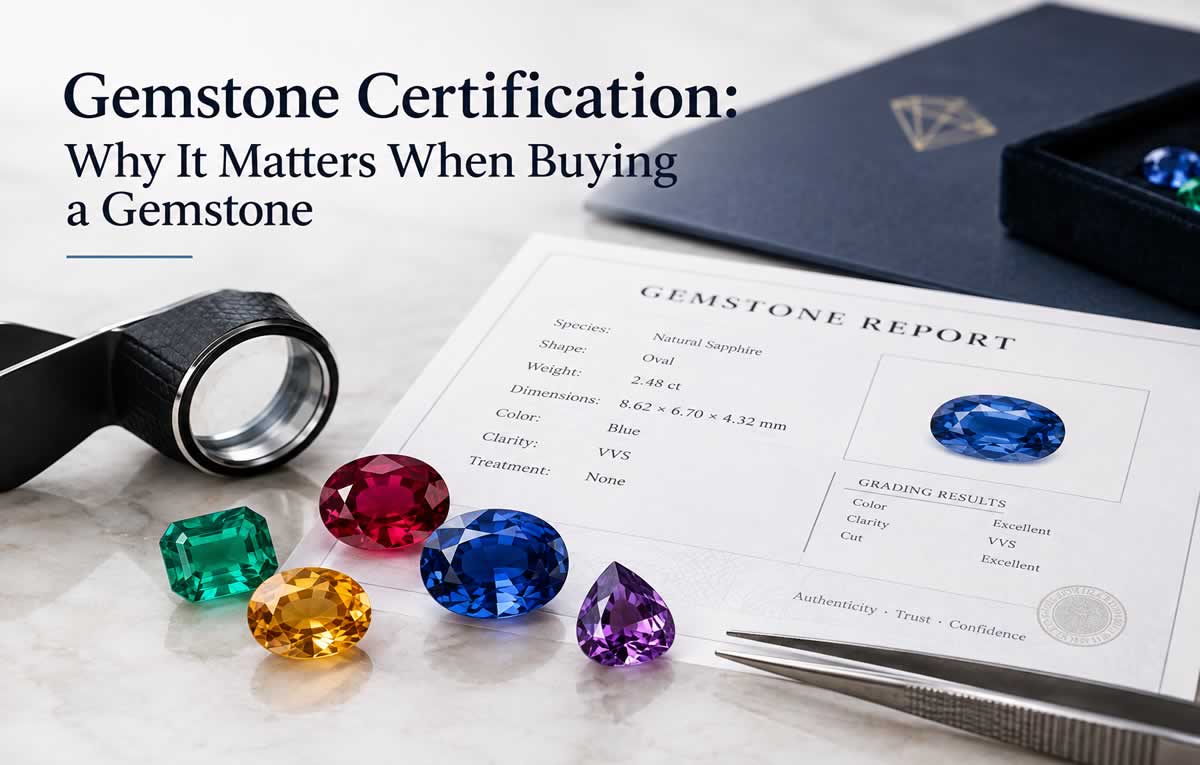
In the case of high-value stones, an independent documentation of the gemological process can offer an additional level of confidence in the gemstone’s authenticity and specifics.
Frequently Asked Questions About Peridot Stone
Are peridot gemstones real?
Yes. peridot stone is a gem variation of olivine, a mineral that is a natural gemstone. Its distinctive green color is a characteristic of this mineral.
What is the stone of birth for August?
Peridot is the stone associated with birth with August. It’s also known for its traditional connection to fifteenth birthdays.
Which color of peridots is the most important?
The most popular peridot stone shade is typically a deep, saturated pure grass green that has very little or no yellow or brown tint. The value of each gemstone is based on a variety of factors, not just its color.
Does peridot work well for casual dress?
Peridot is a popular choice for jewelry, but it needs to get the proper care. If it has the Mohs hardness range of 6.5 or 7 with fair to excellent hardness, it’s susceptible to damage and hits more than other gemstones that are harder, like diamond or sapphire.
What should I do to take care of a peridot stone?
The most secure cleaning method is to use soapy water that’s warm and soft. Do not use ultrasonic or steam cleaners. Also, protect the gem from sudden or inconsistent temperature fluctuations.
Final Thoughts
A Peridot gemstone provides a distinct blend of green natural color, historic significance, scientific interest, and the ability to be used in a variety of ways. From ancient times through to contemporary American jewellery collections, the gemstone is still a popular choice for those who are drawn to vibrant and natural gems.
If you are choosing a peridot to purchase, be sure to focus on the characteristics that determine its appearance. They include clear, vibrant color and cutting efficiency, as well as an appropriate size and overall appeal. Origin may add interest to collecting However, the gemstone must be evaluated according to its unique particular characteristics.