
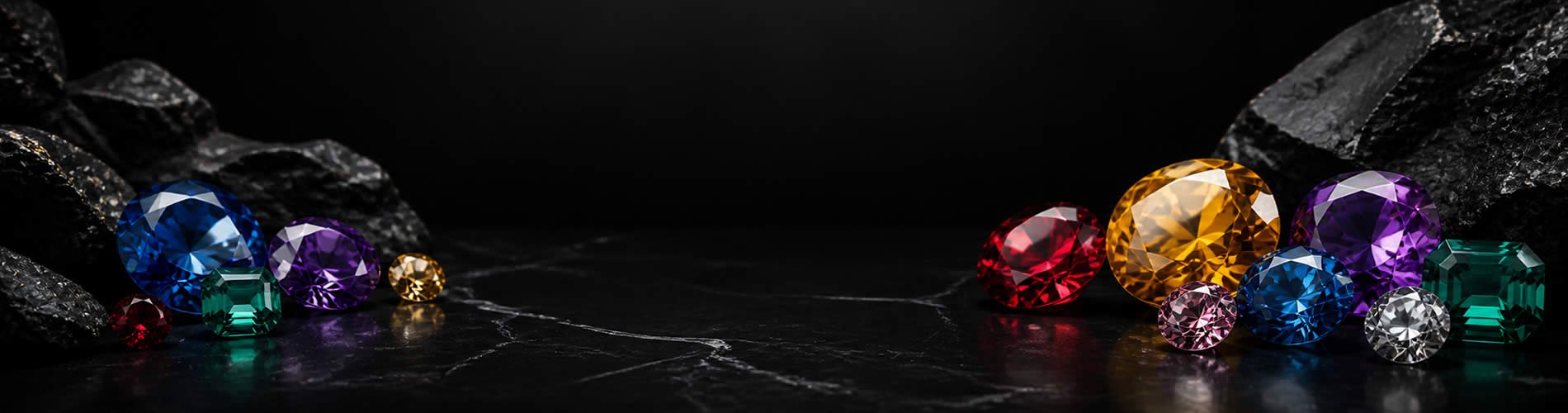
Browse our collection of premium quality natural emerald gemstones from different origins, featuring beautiful green shades ranging from light green to vivid green and deep green along with many other captivating hues, in various cuts, shapes, and sizes for fine jewelry makers and gemstone collectors.
Showing the single result

What Is Emerald?
Emerald is a precious green variety of Beryl, a mineral belonging to the beryllium aluminium silicate group with the chemical formula Be₃Al₂Si₆O₁₈. It crystallizes in the hexagonal crystal system and derives its characteristic green to bluish-green color primarily from trace elements of chromium and vanadium, while iron can influence its color tone. Emerald has a Mohs hardness of 7.5 to 8, a refractive index ranging approximately from 1.577 to 1.583, and a specific gravity of around 2.67 to 2.78.
Emerald is optically uniaxial negative and exhibits characteristic pleochroism, showing variations in color when viewed from different crystallographic directions. Natural emeralds commonly contain mineral inclusions, fractures, and internal growth features collectively known as jardin, a French term meaning garden. These natural characteristics contribute to each gemstone’s individual appearance and are important in gemological identification and quality assessment. Emeralds may also undergo clarity enhancement, commonly through oil or resin filling, making treatment identification and disclosure important aspects of their gemological evaluation.
Imperial Gemstone
Emerald Colors
At Imperial Gemstone, explore natural emerald gemstones in a wide range of green shades, from light and pale green to yellowish green, bluish green, medium green, vivid green, and deep green, along with many other captivating hues. Each shade offers its own natural beauty, providing diverse choices for fine jewelry designs and gemstone collectors.
Emerald Cuts and Shapes
Our collection features natural emerald gemstones in a wide selection of cuts and shapes, including classic emerald cut, oval, round, cushion, pear, octagon, square, radiant, heart, and marquise, along with other traditional and fancy cuts. These different cutting styles highlight the natural color, appearance, and beauty of each gemstone, offering versatile options for custom jewelry creations.
Emerald Origins
Discover natural emerald gemstones from renowned origins around the world, including Colombia Emerald, Zambia, Pakistan Emerald (Swat), Afghanistan, Brazil, Ethiopia, Russia, and Madagascar. Emeralds from different regions display distinctive variations in color, clarity, inclusions, and overall appearance, adding to the natural diversity of this precious gemstone. Treatment information is transparently disclosed, and independent gemological lab reports are available upon request.
Emerald Buying Guide & Blog
Explore our Emerald Gemstone Blog for more insights into emeralds, their quality, origins, and care.
Frequently Asked Questions About Emerald Gemstones
If you are looking to buy natural emerald gemstones online, Imperial Gemstone is a great place to explore. We offer a collection of natural emerald gemstones in different shades of green, origins, cuts, shapes, and sizes. You can browse our collection, compare individual gemstones, and choose the emerald that best matches your preferences and jewelry requirements. Visit ImperialGemstone.com to explore our natural emerald collection.
Colombia is widely renowned for producing some of the world’s finest emeralds, particularly those valued for their rich, pure green color. However, Zambia, Pakistan, Afghanistan, and Brazil also produce beautiful emeralds with distinctive color characteristics. Ultimately, the beauty and quality of an emerald depend on its color, saturation, clarity, transparency, and individual characteristics rather than its country of origin alone.
Oiled emeralds have their surface-reaching fractures filled with a colorless oil, commonly cedarwood oil, to improve apparent clarity and reduce the visibility of inclusions. Un oiled emeralds have not undergone this type of oil treatment, allowing their natural inclusions and clarity characteristics to remain visible. Un oiled emeralds are generally less common and may command higher prices when their color and clarity are comparable. The value of an emerald depends on several factors, including color, clarity, transparency, origin, and the extent of any treatment.
Natural emeralds form naturally within the Earth over millions of years through geological processes, while synthetic emeralds are created in laboratories under controlled conditions. Both have essentially the same chemical composition, crystal structure, and many of the same optical and physical properties. However, natural emeralds often contain characteristic mineral inclusions and growth features, whereas synthetic emeralds may show different growth patterns and inclusions. Their origin can be distinguished through advanced gemological testing, making professional identification important when purchasing an emerald.
In traditional spiritual beliefs and astrology, emerald is associated with wisdom, mental clarity, harmony, love, and prosperity. It is believed to encourage positive energy, strengthen communication, support emotional balance, and promote personal growth. Some traditions also associate emerald with the heart chakra, symbolizing compassion, understanding, and inner harmony. However, these spiritual benefits are based on traditional beliefs and are not scientifically proven.
Natural emerald prices can range from approximately $50 to over $10,000 per carat, depending on quality, color, clarity, origin, and treatment. Fine-quality and rare emeralds can cost significantly more. At Imperial Gemstone, you can explore natural emerald gemstones in different price ranges to suit your preferences and budget
Yes, oil treatment can affect an emerald’s market value. Emeralds with minor oil treatment are generally more desirable than comparable stones requiring significant clarity enhancement. Untreated emeralds with attractive color and clarity are particularly rare and may command higher prices.
Yes, oil treatment is a traditional and widely accepted practice in the international emerald trade. It is commonly used to reduce the visibility of natural fractures and improve an emerald’s apparent clarity. An oil-treated emerald remains a natural emerald, not a synthetic one. However, the extent of treatment should always be disclosed to buyers, as it can affect the gemstone’s value.
Colorless cedarwood oil is one of the most traditional and widely used oils for emerald clarity enhancement. It helps reduce the visibility of surface-reaching fractures and improves the gemstone’s apparent clarity without changing its natural identity. The oil should be colorless and suitable for gemstone treatment.
Zambian emeralds are generally known for their deeper, slightly bluish-green color and often good clarity, while Colombian emeralds are famous for their rich, pure green hues. However, an emerald’s quality and value depend on its individual characteristics, not just its origin.
You can examine an emerald at home using a 10x magnifying loupe to observe its natural inclusions and internal features. Check its color, transparency, and visible characteristics under good lighting. However, these observations cannot confirm whether an emerald is natural, synthetic, or treated. For reliable identification, consult a qualified gemologist or an independent gemological laboratory.
 Cushion Cut Gemstones
 Emerald Cut Gemstones
 Oval Shape Gemstones
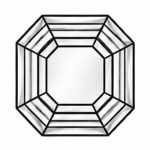 Asscher Cut Gemstones
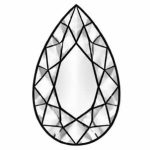 Pear Shaped Gemstones
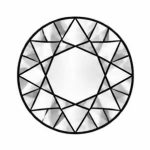 Round Gemstones
 Heart Shape Gemstones
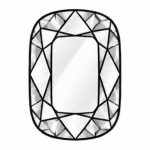 Elongated Cushion Cut
 Marquise Gemstones
 Princess Cut Gemstones
 Blue Gemstones
 Green Gemstones
 Purple Gemstones
 Red Gemstones
 Yellow Gemstones
 Orange Gemstones
 Pink Gemstones
 Black Gemstones
 Brown Gemstones
 Gray Gemstones
 Multi Color Gemstones
 Bi Color Gemstones
 White Gemstones
 Colored Gemstones
 January Birthstones
 February Birthstones
 March Birthstones
 April Birthstones
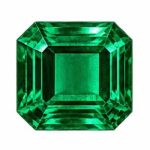 May Birthstones
 June Birthstones
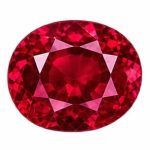 July Birthstones
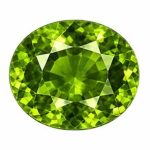 August Birthstones
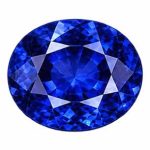 September Birthstones
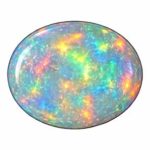 October Birthstones
 November Birthstones
 December Birthstones